NZ180/5
 IND56/2 (8.3/20 ov, target 181)
 NAM156/2 (32/50 ov)
 IRE
 AVL
 MNC
 RAY
 ELC
 GMB
 ZMB
 NGA
 LES
 CAG
 BOL
 COMO
 SAS
 FCA
 FCU
 KOE
 S04
 MOZ19
 UGA23/0 (0.5/20 ov, target 20)
 Ipswich1
 Nottm Forest1
 Alavés1
 Málaga1
 Torino3
 Monza2
 WA
 NSW371/8 (50 ov)
 DEN
 KUW
 KENYA
 QAT
 SWD-W
 EPR-W
 TTN-W
 WPR-W
 NZ-A135/3 (41 ov)
 IND-A113
 DHA
 RAJ
 MYMS
 CHATT
 RAN
 BAR
 SYL
 KHU
 MEX-W
 ARG-W
 UAE
 NED
 PAK
 ENG
 IND-W
 ZIM-W
 AFG170/3 (34.3/50 ov, target 170)
 ZIM169
 CHE0
 DYI0
 CHO1
 QIN0
 HEN1
 BEI0
 LIA1
 ZHE0
 QWC1
 YUN0
 SHX0
 Shanghai Shenh0
 TIG0
 SHP0
 WTT1
 SHT3
 M05
 SVW
 RBL
 ELV
 Brest1
 Nice2
 Stuttgart2
 Gladbach3
 Al Ahli4
 Al Khaleej1

Samsung is set for a potentially record-breaking performance in Q2 2026, thanks to a sharp rise in global demand for AI memory chips.
This optimistic financial outlook comes as the tech giant gears up to ship its latest flagship, the Galaxy Z9. The device was officially unveiled at the Unpacked event on June 15, 2026, and is expected to hit retail shelves on July 20, 2026.
Samsung profit: Samsung’s Anticipated Profit Surge
The semiconductor industry is undergoing a major transformation. According to The Indian Express, Samsung stands out as a key winner in this shift.
Analysts are predicting a record quarterly profit for the company, contrasting sharply with the historical ups and downs of the memory sector. This growth isn’t just luck; it’s a result of strategically reallocating production capacity toward high-bandwidth memory (HBM) and DDR5 modules that are crucial for today’s data center operations.
When we look at the hardware ecosystem, the Galaxy Z9 highlights Samsung’s commitment to research and development. This device features a 6.8-inch AMOLED display with a 120 Hz refresh rate, 16 GB of RAM, and 512 GB of internal storage.
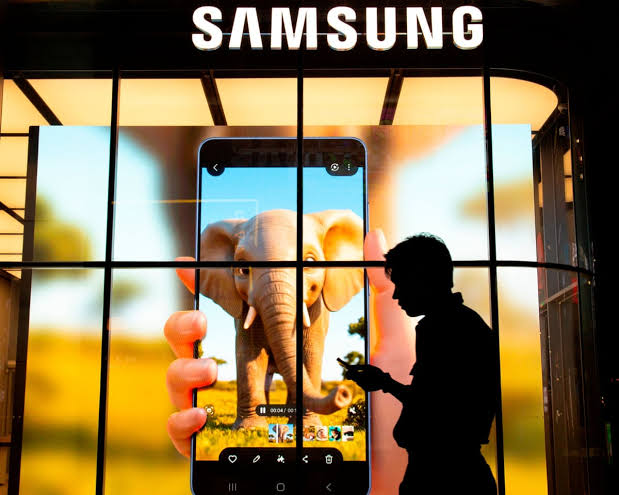
Powered by the Snapdragon 8 Gen 3 processor and a hefty 5,000 mAh battery, it’s impressive. While consumers are drawn to these mobile specs, the real profit generator lies in the server-side hardware supporting the AI models on such devices.
Samsung profit: Impact of AI on Chip Demand
Right now, the demand for memory is outpacing supply—a trend experts believe will last through 2027. This mismatch gives Samsung significant pricing power, allowing for better margins than in previous fiscal years. As enterprise-level AI applications grow, the need for high-performance memory has shifted from a luxury to a standard requirement.
You can really see the difference when you compare current performance to historical figures. In prior years, the semiconductor market leaned heavily on consumer electronics sales, which often fluctuate with economic conditions. By focusing on the AI infrastructure boom, Samsung has effectively safeguarded itself against the slowdown in the global smartphone market. Detailed industry analysis on memory pricing indicates that the current undersupply of HBM chips will provide long-term stability for the company.
The big question is: can Samsung keep this momentum if the AI hardware market starts to level off? For now, the answer seems to depend on the number of data centers coming online worldwide. Samsung isn’t just selling chips; it’s providing the very foundation for the generative AI market.
FAQs
What is driving Samsung’s chip sales?
Samsung’s revenue surge mainly comes from the enormous global demand for high-bandwidth memory (HBM) and DDR5 chips, essential for powering advanced AI servers and data center infrastructure.
How does AI influence memory demand?
AI models require vast amounts of quick, low-latency memory to process training data and execute inference tasks. This need has led to a continuous, high-volume demand that traditional consumer memory markets can’t meet.
What are the implications for the semiconductor market?
The current AI-driven boom has resulted in a lasting undersupply of specialized memory components, which is likely to keep
Source: The Indian Express Samsung profit