
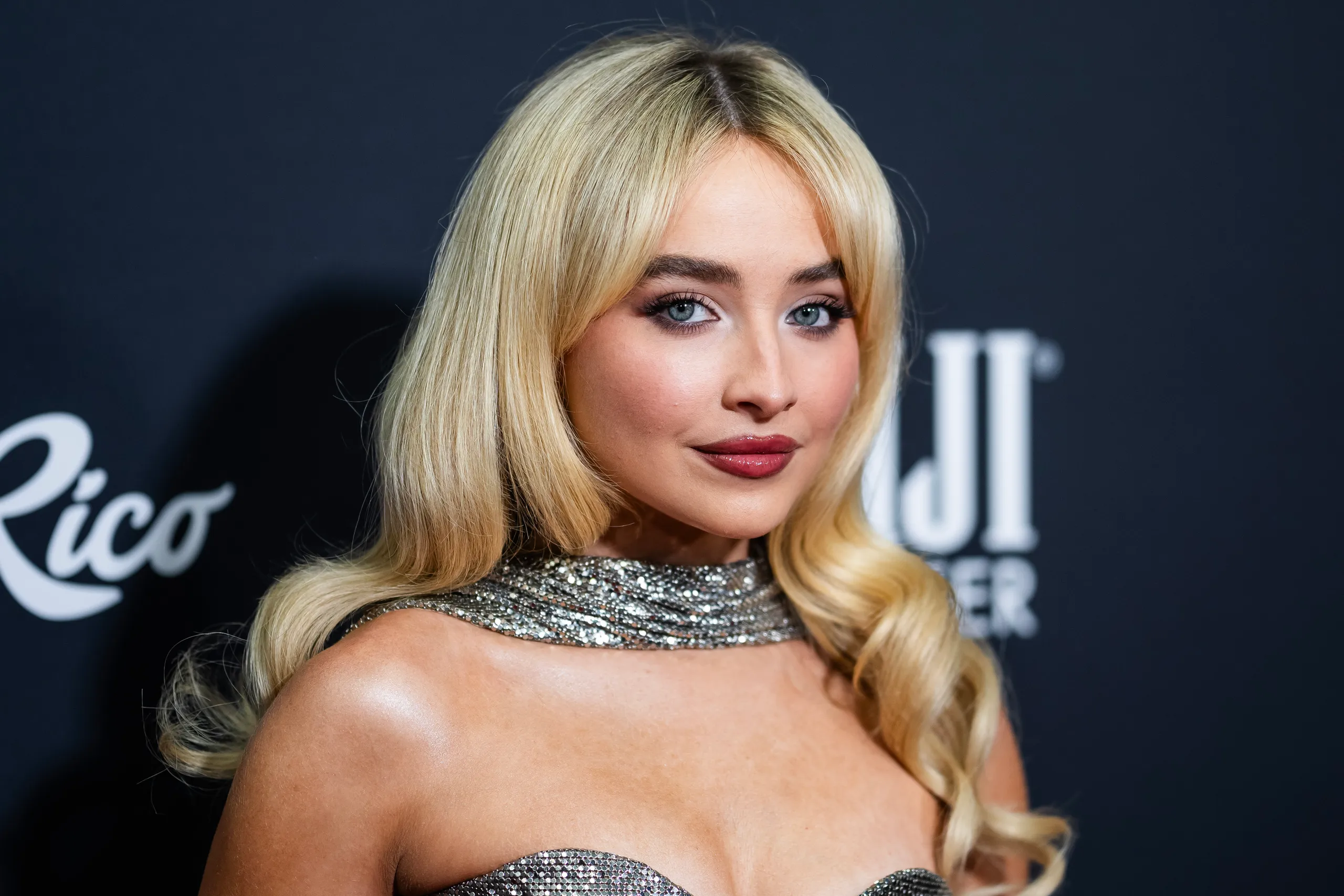
Pop superstar Sabrina Carpenter has delivered a scathing condemnation of the Trump administration after the White House used her hit song “Juno” without permission in a social media video depicting Immigration and Customs Enforcement raids. The 25-year-old Grammy-nominated artist pulled no punches in her response, calling the video “evil and disgusting” and demanding that her music never be associated with what she characterized as an “inhumane agenda.”
The controversy erupted on December 2, 2025, when Carpenter responded directly on X (formerly Twitter) to the White House’s TikTok video that had been posted the previous day. Her statement was brief but forceful: “This video is evil and disgusting. Do not ever involve me or my music to benefit your inhumane agenda.” The response marked Carpenter’s strongest political statement to date and placed her firmly among the growing list of artists who have objected to the Trump administration’s unauthorized use of their music for political messaging.
The video in question, posted across multiple White House social media accounts including TikTok and X, runs approximately 14-21 seconds depending on the platform. It opens with footage showing protesters apparently demonstrating against immigration enforcement operations, then transitions to a montage of ICE agents conducting arrests. The clips show agents handcuffing individuals, tackling people on the street, and detaining what the administration describes as undocumented immigrants. Throughout the video, Carpenter’s voice can be heard singing one of the most viral lyrics from “Juno”: “Have you ever tried this one?”—a line that takes on disturbing new meaning when paired with images of forcible arrests.
The White House’s caption for the video quoted Carpenter’s lyrics directly: “Have you ever tried this one? Bye-bye.” This appropriation of Carpenter’s words to promote deportation policies represented a particularly egregious twist on the song’s original context, transforming a playful reference into what critics have characterized as propaganda celebrating the forcible removal of people from the United States.
Table of Contents
The ‘Juno’ Context: From Concert Joy to Political Weaponization
Understanding why this particular use of “Juno” feels especially inappropriate requires knowledge of how Carpenter performed the song during her recently concluded Short n’ Sweet tour. Throughout the 70-plus show trek that wrapped in November 2025, the singer created one of the tour’s most beloved moments during “Juno” performances by playfully “arresting” someone from the crowd—sometimes a fan, other times a celebrity—using pink fuzzy handcuffs.
The bit became a viral sensation and fan-favorite moment. Carpenter would sing to the crowd, “Wanna try out some freaky positions? Have you ever tried this one?” before tossing the pink prop handcuffs toward the lucky “Juno girl” selected for the playful interaction. The moment was characterized by joy, humor, and the intimate connection between performer and audience that defines successful concert experiences. Videos of various “Juno arrests” circulated widely on social media, contributing to the song’s cultural impact beyond its already impressive chart performance.
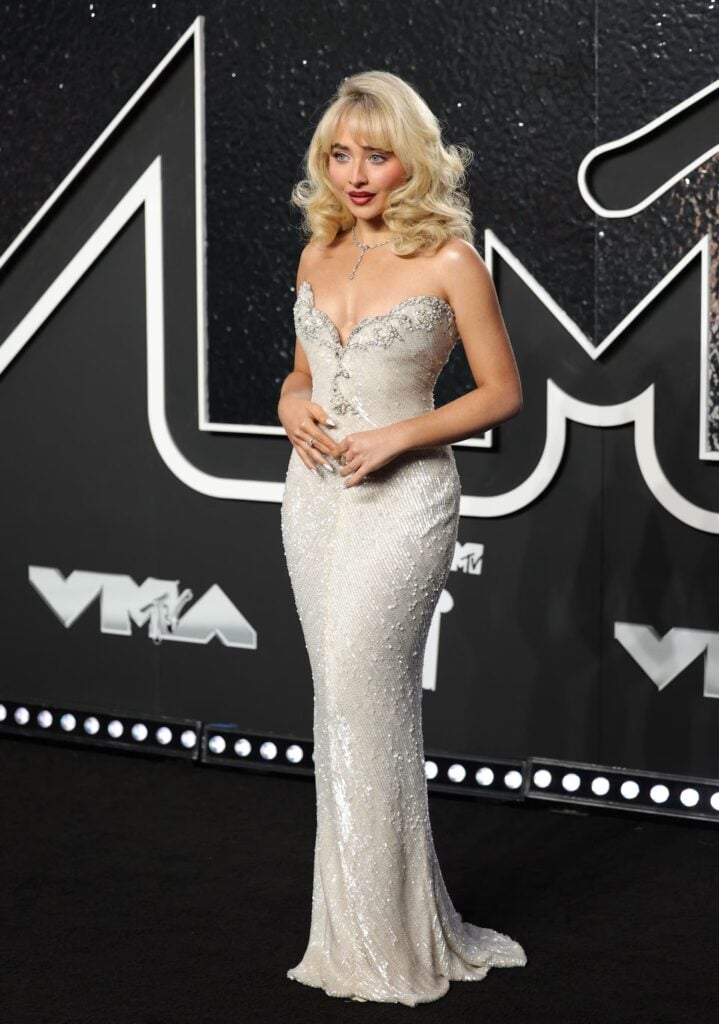
The Trump administration’s decision to co-opt this specific viral moment and repurpose it for immigration enforcement messaging represents what many view as a cynical exploitation of Carpenter’s artistry. By taking a symbol of joy and connection and transforming it into imagery associated with actual arrests, handcuffs, and deportation, the White House fundamentally distorted the meaning and spirit of Carpenter’s creative work.
The lyric “Have you ever tried this one?” in its original context refers to romantic experimentation and playful intimacy—themes consistent with the album’s overall exploration of relationships and desire. Repurposing it to caption footage of ICE raids strips away that context entirely, using Carpenter’s voice and words to endorse policies she has explicitly opposed through her political actions and statements.
White House Doubles Down with Combative Response
Rather than apologizing or removing the video after Carpenter’s public condemnation, the White House responded with a combative statement that doubled down on the video’s message while mocking the artist. White House spokeswoman Abigail Jackson released a statement that referenced Carpenter’s album title “Short n’ Sweet” while defending the administration’s immigration policies.
“Here’s a Short n’ Sweet message for Sabrina Carpenter: we won’t apologize for deporting dangerous criminal illegal murderers, rapists, and pedophiles from our country,” Jackson’s statement read. She continued with what appeared to be a reference to Carpenter’s lyrics: “Anyone who would defend these sick monsters must be stupid, or is it slow?”
The statement’s characterization of Carpenter’s objection as “defending” violent criminals represents a rhetorical tactic the administration has employed repeatedly when faced with criticism of its immigration enforcement methods. By framing all objections to deportation policies as support for criminals, the White House deflects from questions about due process, family separation, and the treatment of asylum seekers—issues that immigration advocates and civil liberties organizations have raised repeatedly.
As of December 3, 2025, the video remained active on the White House’s X and TikTok accounts despite Carpenter’s objections. This persistence raises questions about artists’ ability to protect their intellectual property and control how their work is used, particularly when the user is a government entity with substantial legal resources and public platform.
Carpenter’s Political Background: Vocal Harris Supporter
Sabrina Carpenter’s condemnation of the White House video aligns with her demonstrated political positions throughout 2024 and 2025. The pop star was a vocal supporter of Vice President Kamala Harris during the 2024 presidential election, working actively to register voters and encourage political participation among her predominantly young fanbase.
According to HeadCount, a nonpartisan organization that works with entertainers to register young people to vote, Carpenter topped the list of celebrities who engaged new voters in the 2024 election cycle. Through her Short n’ Sweet tour and associated activations, Carpenter was responsible for registering an impressive 35,814 new voters—more than any other artist working with HeadCount that year. Additionally, she engaged another 263,087 potential voters through giveaways, postcards, and in-person activations tied to her tour stops.
The voter registration efforts were particularly notable because they targeted younger demographics who historically vote at lower rates than older Americans. By leveraging her massive platform and the enthusiasm of her fanbase, Carpenter created opportunities for political engagement that might not have existed otherwise. The work represented a tangible commitment to democratic participation beyond mere celebrity endorsement.
In the immediate aftermath of Trump’s electoral victory over Harris in November 2024, Carpenter addressed the election results during her concert at Seattle’s Climate Pledge Arena on November 6, 2024. Though she avoided mentioning Trump by name, her message to the audience was clear and emotional. “I hope we can be a moment of peace for you, a moment of safety,” she said while kneeling on the stage. “Sorry about our country, and to the women in here, I love you so, so, so, so much. I really hope for the rest of this night that you can enjoy yourselves because you absolutely deserve it.”
This statement, delivered the day after the election, revealed Carpenter’s deep disappointment with the results and her particular concern for women—a demographic she correctly identified as likely to face challenges under a second Trump administration. The apology “about our country” and specific address to women in the audience demonstrated political awareness beyond performative celebrity activism.
Carpenter’s political engagement has been consistent with her public persona as an artist who connects with young people, particularly young women, on issues of identity, relationships, and navigating adulthood. Her willingness to use her platform for voter registration and to speak out on political issues reflects a generation of younger artists who view political engagement as inseparable from their creative work and public presence.
Pattern of Unauthorized Music Use by Trump Administration
Sabrina Carpenter joins an extensive and growing list of artists who have objected to the Trump administration’s use of their music without permission or proper authorization. The pattern of appropriating popular music for political messaging—particularly to promote immigration enforcement and deportation policies—has become a defining characteristic of the administration’s social media strategy.
Most notably, Olivia Rodrigo publicly condemned the Department of Homeland Security in November 2025 after the agency used her song “All-American Bitch” from the album “Guts” in a video promoting self-deportation. The video followed a disturbing format that would become familiar: opening with chaotic footage of ICE agents detaining undocumented immigrants, then transitioning to softer imagery of people allegedly choosing to self-deport using the CBP Home app, all set to different sections of Rodrigo’s song.
Rodrigo’s response was direct and unambiguous. In a comment on the DHS Instagram post (which was later deleted, though it’s unclear by whom), she wrote: “Don’t ever use my songs to promote your racist, hateful propaganda.” The statement echoed the sentiments of many artists who view the administration’s immigration policies as fundamentally unjust and its enforcement methods as cruel.
The DHS responded to Rodrigo’s criticism with a snarky reference to her own lyrics: “America is grateful all the time for our federal law enforcement officers who keep us safe. We suggest Ms. Rodrigo thank them for their service, not belittle their sacrifice.” This combative response pattern—mocking artists who object to having their work used for political purposes—has become characteristic of the administration’s social media strategy.
Taylor Swift, one of the world’s most commercially successful and politically influential artists, has also had her music used by the White House without her authorization, though notably she has not publicly responded. In November 2025, the White House posted a TikTok video using Swift’s song “The Fate of Ophelia” in a montage that included images of Trump’s mugshot from his 2020 election interference charges, military imagery, and the president kissing an American flag. The video was captioned “The Fate of America,” repurposing Swift’s song title for nationalist messaging.
Swift’s silence on the issue stands in contrast to her historical vigilance about protecting her music and her past public criticisms of Trump. She endorsed Joe Biden against Trump in the 2020 election and backed Kamala Harris in 2024, making clear statements about why she opposed Trump’s policies and leadership. Some fans and observers have criticized what they perceive as inconsistency in not responding to the White House’s use of her music, though others note that artists face different strategic considerations in deciding when and how to engage with political controversies.
Kenny Loggins, whose song “Danger Zone” is iconic from the film “Top Gun,” objected in October 2025 when Trump posted an AI-generated video on Truth Social that used the track while depicting the president dumping what appeared to be fecal matter on American citizens protesting at “No Kings” demonstrations. Loggins issued a clear statement: “This is an unauthorized use of my performance of ‘Danger Zone.’ Nobody asked me for my permission, which I would have denied, and I request that my recording on this video is removed immediately.”
British pop singer Jess Glynne was similarly blunt when the White House used the “Hold My Hand” Jet2holidays viral meme to promote ICE raids during summer 2025. She posted on social media: “This post honestly makes me sick. My music is about love, unity, and spreading positivity—never about division or hate.”
The pattern extends beyond music to other forms of intellectual property. On December 2, 2025—the same day Carpenter issued her condemnation—the publisher of beloved children’s character Franklin the Turtle, Kids Can Press, condemned Defense Secretary Pete Hegseth’s post on X featuring a manipulated image showing Franklin aiming a bazooka at boats. Hegseth posted the image with the caption “Franklin Targets Narco Terrorists,” weaponizing a children’s character known for teaching lessons about friendship, honesty, and kindness.
The Trump administration has faced similar objections during campaign periods and previous terms. A long list of musicians who have previously objected to Trump’s use of their music includes ABBA, The Rolling Stones, The Beatles, the Foo Fighters, Beyoncé, Adele, Neil Young, Céline Dion, Elton John, and many others. Some artists have issued public statements, others have sent cease-and-desist letters through attorneys, and some have pursued legal action to prevent continued unauthorized use.
The Legal Complexity: Why Videos Remain Despite Objections
Despite the clear objections from Carpenter, Rodrigo, and other artists, the controversial videos remain active on White House and DHS social media accounts. This persistence raises important questions about copyright law, music licensing on social media platforms, and the unique position of government entities in intellectual property disputes.
The complex web of music licenses that governs the use of copyrighted music on social media platforms can make it difficult for artists to have content removed on the grounds of copyright infringement, even when they clearly did not authorize or approve the specific use. Social media platforms like TikTok, Instagram, and others maintain licensing deals with major record labels and rights holders that can permit short-form use of music in user-generated content.
These blanket licenses exist to enable the normal functioning of social media platforms where millions of users post content daily using popular music. Without such arrangements, platforms would face overwhelming copyright infringement liability. However, these licenses create situations where artists may technically have authorized general use of their music on a platform through their record label’s agreement, even if they would never approve specific political uses that they find objectionable.
The situation becomes even more complicated when the user is a government entity. Questions arise about whether government accounts posting for political purposes can claim the same licensing privileges as ordinary users, whether different standards should apply to government speech, and what remedies exist when an artist objects to association with government policies they oppose.
While Trump and his administration have angered many artists over the years for using their music without permission, removal of content is not always immediate or guaranteed. Artists retain both legal and public recourse when they act quickly—Rodrigo’s comment was visible on the DHS post, and reports indicated the sound was removed from at least one video thereafter—but outcomes vary depending on specific circumstances, platform policies, and the parties’ willingness to engage in legal disputes.
Some legal experts note that while artists may object on moral or reputational grounds, the licensing structures that enable social media to function may limit their practical ability to force removal. Others argue that the political nature of the usage and the government’s role as poster create unique First Amendment considerations that complicate standard copyright analysis.
For artists, the inability to immediately control how their work appears on government social media accounts raises troubling questions about artistic agency and the potential for their creative work to be associated with policies they fundamentally oppose. The situation represents a collision between copyright law, First Amendment principles, social media platform policies, and artistic autonomy—a conflict that existing legal frameworks may not adequately address.
Immigration Enforcement Under Scrutiny: The Broader Context
The controversy over the White House’s use of “Juno” and other pop songs must be understood within the broader context of the Trump administration’s immigration enforcement policies, which have drawn intense criticism from civil liberties organizations, immigration advocates, and international human rights groups.
The administration’s approach to immigration enforcement has been characterized by aggressive tactics that critics argue prioritize deportation numbers over due process, humanitarian considerations, or the impacts on families and communities. ICE raids have increased in frequency and scope, targeting not only individuals with criminal records but also undocumented immigrants with no criminal history beyond their immigration status.
In January 2025, according to reports, the Department of Homeland Security lifted restrictions on ICE arrests at schools, hospitals, and places of worship—locations that had previously been considered sensitive and generally off-limits for immigration enforcement. This policy change drew immediate condemnation from educators, healthcare providers, and religious leaders who argued that removing these protections would create fear that prevents people from accessing essential services like education and medical care.
Immigration advocates have documented numerous cases of families being separated through deportation, individuals being detained in conditions that human rights organizations have characterized as inhumane, and asylum seekers being returned to countries where they face persecution without adequate review of their claims. The administration’s policies have been challenged in courts across the country, with mixed results depending on specific legal issues and jurisdictions.
The use of social media to promote these enforcement actions represents a public relations strategy that seeks to generate support for controversial policies by celebrating arrests and deportations. Critics argue that this approach dehumanizes immigrants, reduces complex human stories to propaganda fodder, and celebrates actions that cause immense suffering to families and communities.
The appropriation of popular music for these videos adds another layer to the controversy. By pairing upbeat, beloved pop songs with footage of arrests and deportations, the administration attempts to make enforcement actions seem fun, cool, or worthy of celebration—transforming what advocates view as human rights violations into shareable content that mimics the aesthetics of entertainment media.
For artists like Carpenter, Rodrigo, and others who have objected, the issue transcends questions of copyright or proper licensing. The core objection is moral: they do not want their creative work, which brings joy to millions of fans, to be associated with policies and actions they view as fundamentally unjust and cruel.
Social Media Strategy: Memes, Music, and Political Messaging
The Trump administration’s social media strategy has been characterized by aggressive use of memes, popular music, viral trends, and internet culture to promote its agenda and generate attention. This approach represents a continuation and intensification of tactics Trump employed during his campaigns and first term, adapted for an era where political messaging increasingly occurs through platforms like TikTok, X, and Instagram rather than through traditional media.
The Department of Homeland Security in particular has leaned heavily into internet culture for its immigration enforcement messaging. In September 2025, DHS posted a video that compared arresting migrants to catching Pokémon, using the franchise’s iconic catchphrase “Gotta Catch ‘Em All” while showing enforcement operations. The Pokémon Company International told media outlets that it did not give DHS permission to use their intellectual property, joining the chorus of rights holders objecting to unauthorized use of their content.
Around the same time, comedian Theo Von said that a soundbite used by DHS for a video was taken out of context, adding to concerns about how the agency selects and manipulates content for its messaging. The pattern suggests a social media operation that prioritizes virality and engagement over accuracy, context, or permission from the creators whose work is appropriated.
The White House has been explicit about some of its motivations for this approach. In a statement to Variety regarding the Taylor Swift video controversy, a White House spokesperson said the video was made “because we knew fake news media brands like Variety would breathlessly amplify them.” This admission reveals a strategy of creating deliberately provocative content that will generate media coverage and online discussion, using controversy itself as a tool for expanding the reach of political messaging.
This strategy treats artists’ objections as features rather than bugs—each public condemnation from a popular musician generates additional media attention and online discourse, ultimately exposing more people to the administration’s messaging even if that exposure comes through criticism. The combative responses to artists like Carpenter and Rodrigo serve to prolong controversies and keep them in public consciousness.
The approach has precedent in Trump’s longstanding relationship with media and attention. Throughout his career in business, entertainment, and politics, Trump has operated on the principle that all publicity is good publicity—that visibility and prominence matter more than whether the coverage is positive or negative. This philosophy extends to his administration’s social media strategy, where generating reactions, even negative ones, serves the goal of dominating news cycles and online conversation.
For artists whose work is appropriated for this strategy, the situation presents a difficult dilemma. Remaining silent might suggest acquiescence or indifference, but speaking out generates exactly the attention and amplification the administration seeks. Artists like Carpenter and Rodrigo have chosen to speak out anyway, prioritizing clarity about their values over strategic considerations about feeding cycles of controversy.
The ‘Juno’ Phenomenon: Song Background and Cultural Impact
“Juno” comes from Sabrina Carpenter’s sixth studio album “Short n’ Sweet,” released in 2024. The album represented a commercial and critical breakthrough for Carpenter, who had been building her career for years before achieving mainstream pop stardom. “Short n’ Sweet” spawned multiple hit singles including “Espresso,” “Please Please Please,” and “Taste” that dominated charts and streaming platforms throughout 2024 and into 2025.
The album’s title refers to Carpenter’s petite stature and the concise, punchy nature of the songs, most of which run under three minutes. This brevity and accessibility contributed to the music’s viral success on platforms like TikTok, where short-form content and earworm melodies thrive. “Juno” specifically became a fan favorite due to its cheeky lyrics, infectious melody, and the playful energy Carpenter brought to live performances.
The song’s title references the 2007 film “Juno,” which tells the story of a teenage girl dealing with an unplanned pregnancy. Carpenter’s lyrics play with themes of desire, reproduction, and intimacy in ways that are simultaneously playful and direct—a combination that has become characteristic of her songwriting style. The “Have you ever tried this one?” lyric that the White House appropriated comes from a section where Carpenter sings about exploring different romantic scenarios, delivered with a winking tone that invites audience participation.
During the Short n’ Sweet tour, “Juno” became one of the most anticipated moments of each show. The pink fuzzy handcuffs that Carpenter would toss into the crowd became coveted souvenirs, with fans sharing their experiences of being selected for the “Juno arrest” across social media. Celebrities who attended Carpenter’s concerts, including actors and fellow musicians, participated in the bit, further amplifying its visibility and cultural impact.
The song’s streaming numbers reflect its popularity, with hundreds of millions of plays across platforms. It charted successfully on the Billboard Hot 100 and dominated playlists and radio rotation. The viral nature of both the song itself and the concert moment contributed to Carpenter’s ascension to pop superstardom—a position she occupies as the White House controversy unfolds.
This cultural context makes the White House’s appropriation particularly galling to fans and observers who appreciate “Juno” for the joy and playful energy it represents. The transformation of a symbol of fun, connection, and romantic possibility into imagery associated with arrests, deportations, and family separations feels like a fundamental violation of the song’s spirit and meaning.
Carpenter’s Response: Speaking Truth to Power
Sabrina Carpenter’s decision to speak out quickly and forcefully against the White House’s use of her music demonstrates a willingness to use her platform for political expression even when doing so might court controversy or backlash. The language she chose—”evil and disgusting” and “inhumane agenda”—represents strong rhetoric that goes beyond the typical celebrity statement of disappointment or disagreement.
The word “evil” in particular carries significant moral weight, characterizing the administration’s actions not merely as misguided policy choices but as fundamentally wrong in a deeper ethical sense. By describing the video and by extension the policies it promotes as “evil,” Carpenter frames the issue in stark moral terms that leave little room for ambiguity or moderate interpretation.
Similarly, her characterization of the agenda as “inhumane” directly challenges the administration’s framing of enforcement actions as necessary for public safety and rule of law. By invoking humanity as the relevant standard, Carpenter centers the experiences and suffering of immigrants targeted by these policies, implicitly rejecting frameworks that reduce human beings to legal categories like “illegal alien” or security threats.
The phrase “Do not ever involve me or my music to benefit your inhumane agenda” serves as both a specific demand regarding this video and a broader prohibition against future use of her work for similar purposes. The emphatic tone suggests Carpenter’s deep conviction on this issue and her unwillingness to be associated with policies she opposes, even indirectly through unauthorized use of her artistic creations.
For a 25-year-old pop star whose career has recently exploded into mainstream success, taking such a strong public stance against a sitting administration carries potential risks. Carpenter’s fanbase skews young and likely includes many who supported her political positions during the election, but taking definitive political stances can also alienate some fans or create backlash from those who disagree.
The White House’s mocking response—suggesting Carpenter is “stupid” for objecting to deportation policies and using wordplay from her own lyrics against her—represents an attempt to diminish and ridicule her stance. By framing the issue as about deporting “dangerous criminal illegal murderers, rapists, and pedophiles,” the response seeks to paint Carpenter as naive or as defending violent criminals, rather than engaging with her actual objections about policy and unauthorized use of her work.
Carpenter’s willingness to weather such responses and maintain her position demonstrates a level of political conviction that goes beyond performative celebrity activism. She joins younger artists like Olivia Rodrigo and Billie Eilish who have shown willingness to speak directly about political issues even when doing so invites criticism or controversy.
FAQs
Why did Sabrina Carpenter condemn the White House’s use of ‘Juno’?
Sabrina Carpenter condemned the White House for using her song “Juno” without permission in a video depicting ICE raids and arrests of immigrants. She called the video “evil and disgusting” and demanded that her music never be involved in what she characterized as an “inhumane agenda.” The video appropriated her viral lyric “Have you ever tried this one?” from a playful concert moment and repurposed it for immigration enforcement propaganda, fundamentally distorting the song’s meaning and spirit.
How did the White House respond to Sabrina Carpenter’s criticism?
White House spokeswoman Abigail Jackson released a combative statement that mocked Carpenter’s album title and defended deportation policies: “Here’s a Short n’ Sweet message for Sabrina Carpenter: we won’t apologize for deporting dangerous criminal illegal murderers, rapists, and pedophiles from our country.” The statement also included what appeared to be a lyric reference asking if Carpenter is “stupid, or is it slow?” As of December 3, 2025, the video remained active on White House social media accounts despite Carpenter’s objections.
What was Sabrina Carpenter’s role in the 2024 election?
Sabrina Carpenter was a vocal supporter of Kamala Harris and topped HeadCount’s list of celebrities who engaged new voters in the 2024 election cycle. She registered 35,814 new voters through her Short n’ Sweet tour—more than any other artist—and engaged an additional 263,087 voters through activations, giveaways, and postcards. After Trump’s victory, she told fans at her Seattle concert: “Sorry about our country. And to the women in here, I love you so, so, so, so much.”
Which other artists have objected to Trump administration using their music?
Olivia Rodrigo condemned DHS for using “All-American Bitch” in an ICE video, calling it “racist, hateful propaganda.” Kenny Loggins objected to “Danger Zone” being used in an AI video. The White House also used Taylor Swift’s “The Fate of Ophelia” without her public response. Jess Glynne called out use of “Hold My Hand” in ICE videos. Previously, ABBA, The Rolling Stones, The Beatles, Foo Fighters, Beyoncé, Adele, Neil Young, Céline Dion, and Elton John have all objected to Trump using their music.
Can artists legally stop the White House from using their music on social media?
The legal situation is complex. Social media platforms maintain blanket licensing deals with record labels that may technically permit short-form music use, even for government accounts. While artists can object publicly and may pursue copyright claims, removal is not always immediate or guaranteed. The government’s role as poster raises unique First Amendment considerations, and existing legal frameworks may not adequately address this collision between copyright law, artistic autonomy, and political speech on social media platforms.