MEX-W
 ARG-W
 ARS2
 EVE0
 COV0
 FUL1
 OFC0
 NEU0
 NEOM2
 ABH0
 RAC0
 ESP1
 KHO0
 ETT0
 BLK2
 WXM0
 NAP
 ROMA
 CHE
 TOT
 VAL
 VIL
 DOR
 SGE
 RIY
 TAA
 LAZ
 PAR
 RCL
 PAR
 FCA1
 FCU1
 KOE0
 S040
 M052
 SVW3
 RBL4
 ELV0
 SWD-W
 EPR-W
 TTN-W
 WPR-W
 KNGHT45/0 (6/20 ov)
 MPUMA
 NZ-A135/3 (41 ov)
 IND-A113
 SYL
 KHU
 MYMS299/4 (87 ov)
 CHATT
 DHA293/3 (84.1 ov)
 RAJ
 RAN320/5 (80 ov)
 BAR
 UAE
 NED
 PAK
 ENG
 IND-W
 ZIM-W
 GMB
 LES
 MOZ
 ZMB
 NGA
 UGA
 NAM321/6
 IRE290 (47.3/50 ov, target 322)
 NZ180/5
 IND181/6 (19.5 ov)
 CAR1
 BIR0
 LCN4
 BUR1
 PNE1
 WBA1
 QPR4
 SWA0
 STK0
 BRC0
 ATM
 DEP
 SCP1
 HSV0
 CAG0
 BOL2

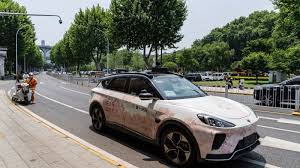
Recently, a robotaxi glitch stranded passengers on China’s vast highways. It’s a clear sign of the issues plaguing autonomous vehicles. With technology leading our transit options, it’s worrisome when riders are stuck, far from any help, due to these hiccups.
Breaking It Down
The outage involved a fleet run by one of China’s top transport companies. Passengers were left on busy roads for hours without help. The trouble began with a major system glitch that crippled navigation and communication. These taxis, which rely on advanced AI systems, couldn’t activate emergency measures during the crisis, making things worse.
Why It Matters
This whole situation highlights the weak spots in the tech behind driverless cars. As more cities lean toward driverless options, worries over dependability are growing. In China, where these robotaxi trials form a key part of urban transport plans, such failures could slow things down. According to Wired, there’s an urgent push for better backup systems in these AI-powered cars to make passengers feel safe and boost trust.
By the Numbers
China’s journey towards autonomous cars has seen big money and vast trials. The robotaxi fleet has rapidly grown, hitting over 5,000 vehicles. Specifically, in the affected region, there are about 1,200 vehicles under trial. Each of these is packed with top-notch sensors and AI tech, costing close to $100,000 each. This outage carries hefty financial implications, impacting not only the companies involved but also consumer faith in this tech.
Market & Expert Reaction
Industry insiders are shouting about the quick pace of rolling out autonomous vehicles. This robotaxi failure is making folks question if the current safety measures are truly enough. As TechCrunch noted, those involved stress more thorough testing to avoid such mishaps. Consumer trust, which is key for widespread use, relies on services being consistently dependable. This incident serves as a pointed reminder that technology must not fail before it’s widely accepted.
What Comes Next
In light of the outage, companies are hard at work revisiting their protocols. They’re diving deep into AI systems and tweaking emergency measures. There’s a push for regulations that demand stricter safety checks and tests prior to starting operations. In the months ahead, expect some serious talks between tech builders and regulators. They’ll be aiming for a future where such outages are a thing of the past.
People Also Ask
Q: What caused the robotaxi outage in China?
The outage was due to a system failure hitting navigation and comms.
Q: How many robotaxis were affected?
This issue hit a fleet of around 1,200 vehicles in a broader trial.
Q: What are the potential solutions to prevent future outages?
Better backup systems and tougher regulatory rules are seen as crucial.
Q: How has this incident affected consumer trust in autonomous vehicles?
It’s shaken trust, highlighting the need for reliable tech before broad adoption.