The RBI has introduced transformative changes to Basic Savings Bank Deposit (BSBD) accounts, effective April 1, 2026. These reforms expand financial inclusion by eliminating fees and removing restrictive banking practices.
Table of Contents
RBI BSBD Rules: New vs Earlier
| Feature | Earlier Rules | From April 1, 2026 |
|---|---|---|
| Cash Deposits | Banks charged fees after certain deposits | Zero charges (completely free) |
| UPI Transactions | Internal bank limits applied | Unlimited UPI transactions |
| Account Opening | Banks could deny based on income | Cannot refuse any applicant |
| Banking Services | Limited withdrawals & features | Full banking services mandatory |
| Accounts Allowed | One per person (weak enforcement) | Strictly one across all banks |
| With Regular Account | Some banks allowed both | Must choose one type only |
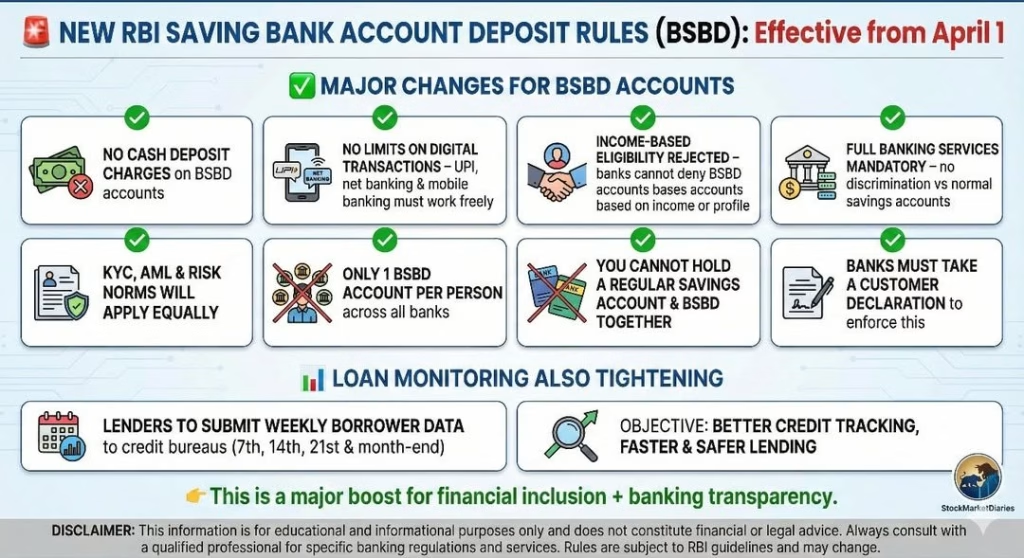
Major BSBD Account Changes
Free Cash Deposits: Banks previously charged fees beyond a threshold. The new rules mandate zero deposit charges, removing a significant barrier for low-income users who rely on cash transactions—addressing concerns raised in RBI’s financial inclusion reports.
Unlimited UPI Access: While banks previously imposed internal caps, BSBD accounts now support unlimited UPI transactions. This aligns with India’s digital payment push documented by NPCI’s UPI growth data.
Universal Account Access: Banks can no longer deny BSBD accounts based on income, employment, or background—a powerful move toward banking equality that expands access for marginalized communities, as emphasized in financial inclusion initiatives.
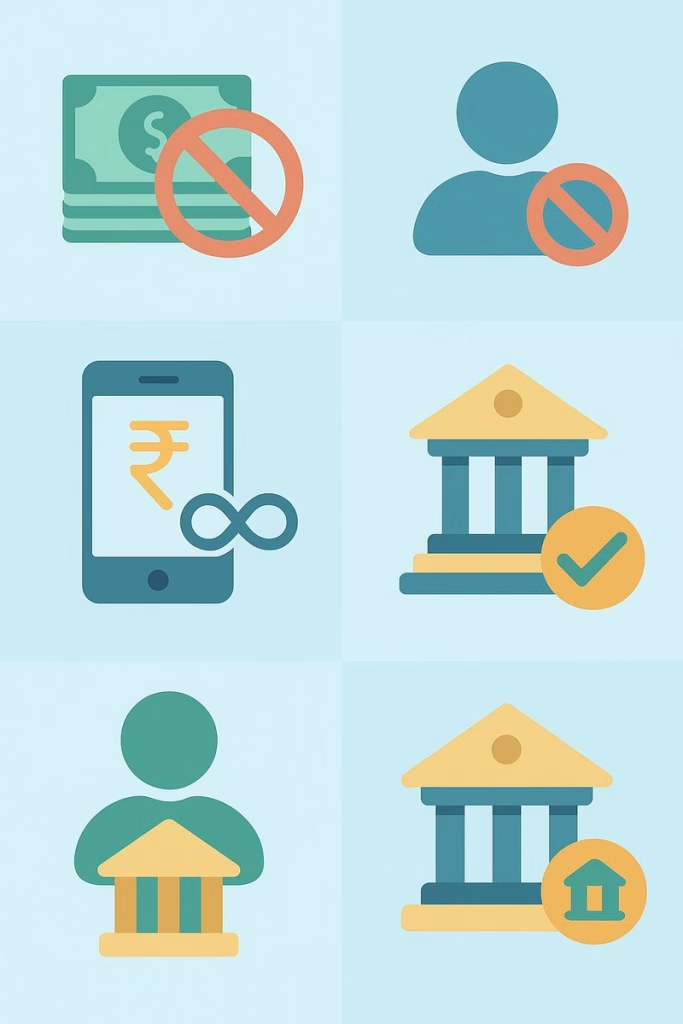
What Changes for Account Holders?
Full Banking Services: BSBD accounts must now offer complete features previously reserved for regular savings accounts, eliminating the two-tier system that disadvantaged basic account holders.
Stricter Account Rules: The strictly-enforced one-account limit prevents multiple BSBD accounts across banks. Additionally, customers cannot maintain both BSBD and regular savings accounts simultaneously—you must choose one type.
These changes take effect April 1, 2026, giving banks four months to update systems and notify customers. Existing account holders should verify their account type and ensure compliance with the new single-account rule.
The reforms represent RBI’s most significant BSBD overhaul since the accounts’ introduction, prioritizing accessibility over banking convenience while maintaining financial system integrity.
FAQs
When do the new RBI BSBD rules start?
All new BSBD account rules become effective from April 1, 2026.
Can I have both BSBD and regular savings accounts after April 2026?
No, you must choose either a BSBD or regular savings account—both cannot be maintained simultaneously.