NZ180/5 (20 ov)
 IND
IND NAM95/2 (21.1/50 ov)
 IRE
IRE MOZ
MOZ UGA
UGA AVL
AVL MNC
MNC RAY
RAY ELC
ELC GMB
GMB ZMB
ZMB NGA
NGA LES
LES CAG
CAG BOL
BOL COMO
COMO SAS
SAS FCA
FCA FCU
FCU Ipswich1
 Nottm Forest1
 Alavés1
 Málaga1
 Torino3
 Monza2
 Brest1
 Nice2
Nice2 WA
WA NSW290/5 (42.4/50 ov)
 DEN
DEN KUW
KUW KENYA
KENYA QAT
QAT SWD-W
SWD-W EPR-W
EPR-W TTN-W
TTN-W WPR-W
WPR-W NZ-A135/3 (41 ov)
 IND-A113
 DHA
DHA RAJ
RAJ MYMS
MYMS CHATT
CHATT RAN
RAN BAR
BAR SYL
SYL KHU
KHU MEX-W
MEX-W ARG-W
ARG-W UAE
UAE NED
NED PAK
PAK ENG
ENG IND-W
IND-W ZIM-W
ZIM-W AFG170/3 (34.3/50 ov, target 170)
 ZIM169
 TAS137 (25.2/35 ov, target 276)
 VIC304/7 (50 ov)
 CHE0
CHE0 DYI0
DYI0 CHO1
CHO1 QIN0
QIN0 HEN1
HEN1 BEI0
BEI0 LIA1
LIA1 ZHE0
ZHE0 QWC1
QWC1 YUN0
YUN0 SHX0
SHX0 Shanghai Shenh0
 TIG0
TIG0 SHP0
SHP0 WTT1
WTT1 SHT3
SHT3 KOE
KOE S04
S04 M05
M05 SVW
SVW RBL
RBL ELV
ELV Stuttgart2
 Gladbach3
 Al Ahli4
 Al Khaleej1
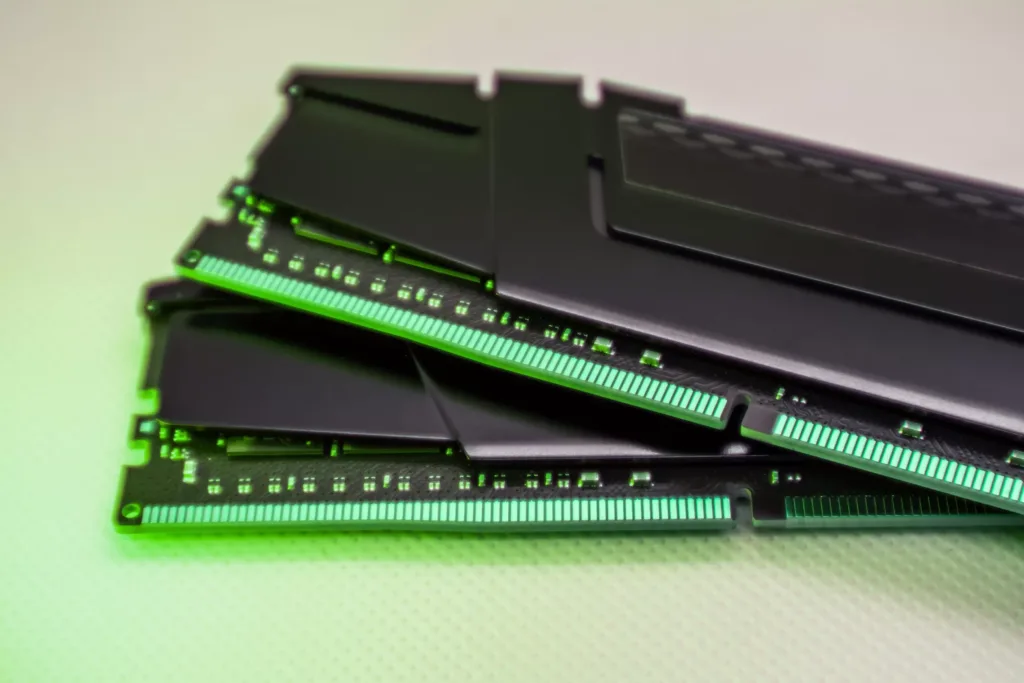
The global electronics industry faces a severe memory shortage crisis as Samsung Electronics—the world’s largest memory chip manufacturer—has doubled contract prices for DDR5 RAM, telling customers there is simply “no stock” available. The unprecedented price surge threatens to dramatically increase costs for smartphones, laptops, gaming consoles, and virtually all electronic devices in 2026.
Multiple industry reports confirm Samsung raised DDR5 contract prices by more than 100%, pushing costs to nearly $20 per unit compared to around $7 earlier in 2025—a staggering shift that signals fundamental disruption in the memory market.
Shocking Price Increases Across Memory Categories
The price explosion extends beyond DDR5, affecting every memory type and configuration:
| Memory Type | Previous Price | Current Price | Increase |
|---|---|---|---|
| DDR5 (contract) | ~$7/unit | $19.50/unit | +178% |
| 32GB DDR5 modules | $149 | $239 | +60% |
| Server DRAM (Q1 2026) | Q4 2025 baseline | Up 60-70% | +65% avg |
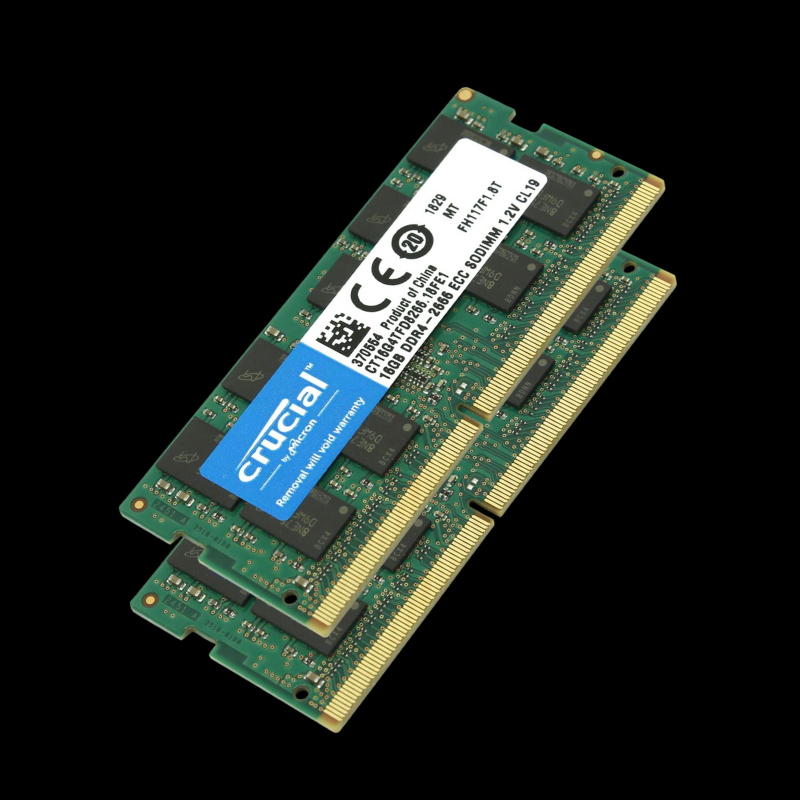
| DDR4 16GB (contract) | ~$10/unit | ~$18/unit | +80% |
According to Network World analysis, DRAM prices have already risen approximately 50% year-to-date and are expected to climb another 30% in Q4 2025, followed by an additional 20% in early 2026.
The AI Infrastructure Catalyst
The memory shortage stems directly from artificial intelligence infrastructure buildout consuming manufacturing capacity at unprecedented rates. Both Samsung and SK Hynix are prioritizing high-margin AI server products over consumer electronics, fundamentally reshaping supply allocation.
Key Drivers:
- NVIDIA H200 exports to China: Following U.S. government approval, Chinese customers placed $3 billion in new orders, with each H200 chip requiring eight HBM3E modules
- Hyperscale data center expansion: Microsoft, Google, and Amazon securing vast memory quantities through long-term contracts
- Custom AI accelerators: Broadcom ramping HBM3E orders for Google’s TPUs and other specialized chips
- Manufacturing reallocation: Advanced fabrication capacity shifted from consumer DRAM to AI-optimized memory
TechSpot reports that SK Hynix declared its HBM, DRAM, and NAND capacity “essentially sold out” for 2026, while Micron exited the consumer memory market entirely to focus on enterprise and AI customers.
Death of Long-Term Contracts
In a dramatic shift from industry norms, Samsung and SK Hynix are rejecting traditional two-to-three-year long-term agreements (LTAs) in favor of quarterly contracts, anticipating stepwise price increases through 2027.
This strategic move allows manufacturers to continuously adjust pricing upward as AI demand intensifies, eliminating the cost predictability that enterprise buyers have long relied upon.
Samsung president Wonjin Lee acknowledged the industry-wide impact: “In 2026, there’s going to be issues around semiconductor supplies, and it’s going to affect everyone, not just Samsung. I think it’s an industry-wide reality that we’re going to see some supply issues.”
Consumer Device Impact: Higher Prices, Lower Specs
The memory crisis will reshape consumer electronics across categories:
Smartphones:
- Base models may return to 4GB RAM configurations (previously eliminated)
- Mid-range devices facing tighter memory allocations (6GB becoming standard instead of 8GB)
- Flagship phones postponing 16GB RAM options
- Interesting Engineering notes that memory now accounts for significantly larger share of smartphone bill-of-materials, forcing manufacturers to reconsider configurations
Laptops and PCs:
- Dell implementing 10-30% price increases on commercial PCs starting December 2025
- 8GB becoming standard for mid-range laptops (down from 16GB)
- Ultra-thin notebooks particularly vulnerable due to soldered memory
- Gaming laptops potentially compromising on RAM to maintain competitive pricing
Gaming Consoles:
- PlayStation 6 and next Xbox potentially impacted if 2026 launches proceed
- Memory allocation decisions affecting performance capabilities
- Price-to-performance ratios deteriorating
India’s Electronics Sector Vulnerability
For India’s rapidly growing electronics manufacturing and consumption market, the memory crisis poses multiple challenges:
Manufacturing Impact: India’s ambitious electronics manufacturing push—targeting $300 billion production by 2026—faces input cost inflation that threatens competitiveness. Smartphone manufacturers operating under Production-Linked Incentive (PLI) schemes must absorb higher component costs while maintaining price competitiveness against Chinese imports.
Consumer Pricing: Indian consumers, already price-sensitive, will likely see smartphone and laptop prices increase 15-25% in 2026, potentially slowing adoption rates and delaying replacement cycles. The budget and mid-range segments that dominate India’s market face the most severe impact.
Domestic Assembly Concerns: Companies assembling devices in India for domestic sale and export face margin compression as imported memory costs surge. The “Make in India” initiative’s electronics component remains heavily import-dependent for critical parts like RAM and storage.
Enterprise IT Procurement Upheaval
The memory shortage fundamentally alters enterprise procurement dynamics, creating a two-tier system:
Tier 1 – Hyperscalers Win:
- Cloud giants like AWS, Azure, Google Cloud secure priority supply through multi-year capacity reservations
- Direct fab investments and long-term commitments ensure lower costs
- Assured availability regardless of spot market conditions
Tier 2 – Mid-Market Suffers:
- Mid-market enterprises rely on shorter contracts and spot sourcing
- Competing for residual capacity after large buyers claim priority
- Facing both higher input costs and extended delivery timelines
TechInsights semiconductor analyst Manish Rawat summarized the shift: “As supply becomes more contested in 2026, procurement leverage will hinge less on volume and more on strategic alignment.”
Gartner forecasts DRAM prices will increase 47% in 2026 due to significant undersupply in both traditional and legacy DRAM markets.
Panic Buying and Market Distortion
The crisis has triggered panic-buying behavior reminiscent of the pandemic-era chip shortage. OEMs across consumer electronics and automotive sectors are placing speculative orders to hedge against future availability gaps, distorting demand signals and creating over-allocation in some segments while causing critical shortfalls elsewhere.
Dan Nystedt, vice president of research at TriOrient, warned CNBC: “The AI build-out is absolutely eating up a lot of the available chip supply, and 2026 looks to be far bigger than this year in terms of overall demand.”
What Consumers Should Do Now
Immediate Actions:
- Consider purchasing needed electronics before Q1 2026 when next wave of price increases hits
- Prioritize devices with upgradeable RAM rather than soldered configurations
- Budget 20-30% higher for planned 2026 technology purchases
- Delay non-essential upgrades until market stabilizes (potentially late 2027)
Strategic Considerations:
- Evaluate whether current devices can last another 18-24 months
- Consider refurbished or previous-generation products at pre-crisis pricing
- For businesses, lock in hardware procurement for 2026-2027 needs immediately
- Monitor manufacturer announcements for product configuration changes
When Will This End?
Industry analysts offer sobering forecasts. The Register reports that memory shortages and elevated pricing could persist well into 2027, driven by continued AI infrastructure investment projected to reach $1.6 trillion by 2030.
TrendForce expects DRAM contract prices to rise up to 60% in Q1 2026 alone, with NAND Flash prices increasing more modestly at around 38%. The firm warns that demand will far exceed chip availability, forcing customers to accept higher costs to remain competitive.
The Bigger Picture: AI’s Hidden Costs
The memory crisis illustrates AI’s hidden economic impact beyond data center electricity consumption and GPU shortages. As AI infrastructure investment accelerates, ripple effects extend throughout the electronics ecosystem—raising costs for consumers, businesses, and economies worldwide.
Economists warn that AI infrastructure investment could fuel broader inflation as these price hikes cascade through supply chains, affecting not just technology products but any industry dependent on computing hardware.
Track the latest developments in the RAM crisis and technology pricing trends at TechnoSports.co.in.