Building a viral business requires more than luck—it demands obsessive attention to what customers actually need. PopSockets founder David Barnett recently revealed the innovation secrets behind transforming a simple phone accessory into a cultural phenomenon, offering critical lessons for entrepreneurs chasing exponential growth. His journey from concept to global success shows how understanding your audience’s pain points beats chasing trends.
📋 In This Article
The Core Story Behind PopSockets’ Viral Business
PopSockets started with a simple problem: tangled earbuds everywhere. Barnett watched people wrapping headphones around their fingers, frustrated with cord management throughout the day. So he built something better—a collapsible grip that fixed the mess while adding real functionality.
The product didn’t launch with fanfare. Instead, it spread through word-of-mouth, which is honestly the gold standard for any viral hit. Social media picked it up. College kids got obsessed. Then celebrities started carrying them. By 2016, PopSockets was unavoidable.
Here’s what mattered most: Barnett actually listened to users instead of inventing problems nobody had. That single habit became the foundation for scaling this product globally.
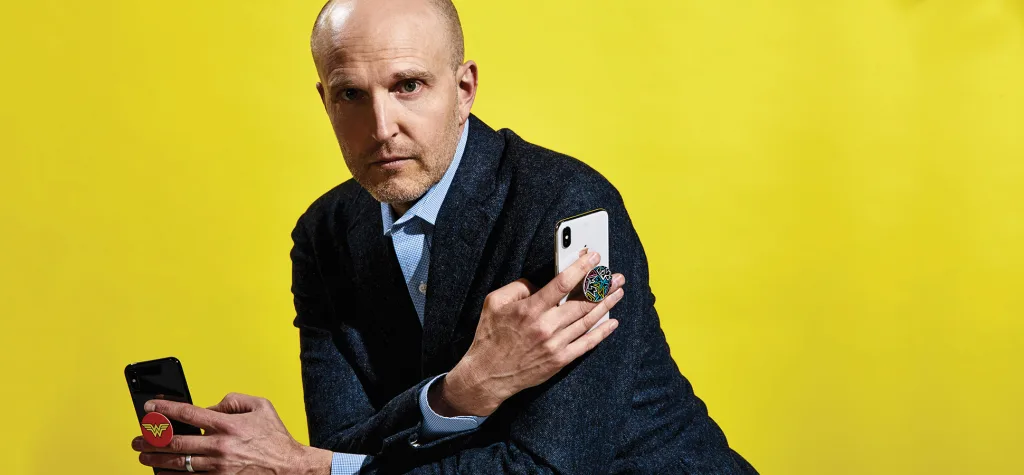
Barnett’s Innovation Approach to Building Viral Business
What’s striking about Barnett’s strategy is what he didn’t do. He skipped the traditional playbook—no ad blitzes, no celebrity endorsement deals at the start. The product grew because it genuinely solved something annoying.
Instead, Barnett obsessed over design. He made the grip comfortable, built it to last, and made it customizable. That obsession created real fans. People wanted to personalize their PopSockets, so Barnett expanded into licensed designs with brands, artists, and cultural icons. Suddenly there were millions of versions, and people kept buying.
As TechCrunch reported, this approach turned PopSockets into a company worth billions. You see the same pattern with other breakout products—fix something that annoys people, improve it constantly, then let customers do the marketing.
Market Impact and Industry Response
The accessory market watched closely. Knockoffs appeared almost immediately, yet PopSockets stayed on top through brand loyalty and product depth. Industry analysts called Barnett’s approach a textbook example of product-market fit.
The Verge nailed it: PopSockets won where countless phone accessories flopped because Barnett understood what people actually wanted—something useful and a way to express themselves. Customization turned PopSockets from a basic accessory into something people collected.
Today it generates hundreds of millions annually. You’ll find PopSockets at Target, Best Buy, and everywhere else. Barnett’s willingness to evolve—adding phone stands, car mounts, tablet grips—kept the product fresh as how people used phones changed.
People Also Ask
What problem did PopSockets solve originally?
PopSockets tackled tangled earbuds and poor phone grip, two frustrations smartphone users dealt with constantly. Barnett’s collapsible design fixed both at once.
How did PopSockets become viral without traditional advertising?
It grew through genuine user adoption. Customization options and celebrity visibility on social media created organic demand without paid ads driving early growth.
Why did PopSockets succeed where competitors failed?
Barnett prioritized quality and listened obsessively to customer feedback. Most competitors copied the design but missed the ecosystem strategy that made PopSockets special.
What’s next for PopSockets?
The company continues expanding into new form factors and markets. The model holds up as long as Barnett sticks to the core principle: solve real problems, then let customers spread the word.