NZ22/1 (4.3/50 ov)
 IND
 INT1
 CFC0
 UAE
 OMA
 Rennes
 Olympiacos
 WI-A
 LIONS
 AEK Athens
 Real Madrid
 Fenerbahce
 Liverpool
 Dortmund
 Betis
 FC Porto
 Napoli
 Lens
 Como
 ATM0
 MUN2
 BAR3
 AVL0
 BODO0
 LILL0
 FEY0
 INT3
 CD
 AUCK
 OTAGO
 CANT
 WELL
 ND
 ASSAM135
 KNTKA496/5 (117 ov)
 MEGHA144
 NAGA254 & 73/3 (25 ov)
 TPURA268 & 54/4 (22 ov)
 SAU118
 BENG143
 MAHA207/9 (79 ov)
 ODSA
 JHK258/5 (108 ov)
 CHD49/3 (20 ov)
 TN571/7d
 CGR284
 HYD275/9 (83 ov)
 DELHI299/6 (90 ov)
 SVCS266
 BAN
 WI
 AFG
 ZIM
 HH-W
 MR-W
 AS-W
 BH-W
 ST-W
 PS-W
 JAB
 LUL
 POA97/9
 BIK174/3
 ALM0
 CIE0
 PSV
 Club Brugge
 RB Leipzig
 Man City
 LAS4
 SLB0
 MAN3
 ROMA2
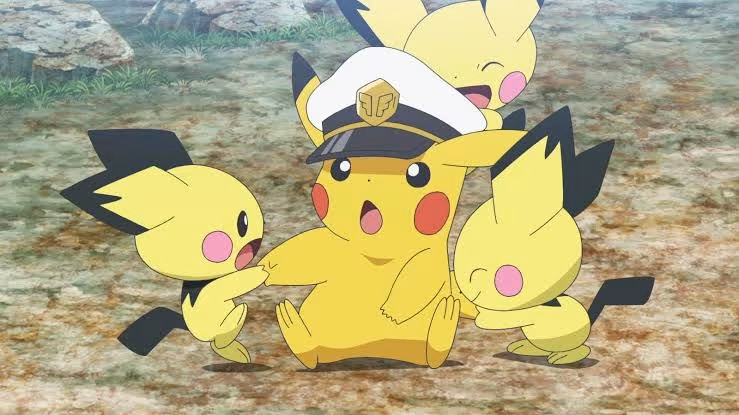
The story behind Pokémon’s reported return to Kanto shapes how this anniversary lands. Thirty years ago, a single cartridge changed handheld gaming forever. On Monday, November 2, 2026, Pokémon is reportedly returning to Kanto with commemorative projects marking three decades of digital exploration. The original role-playing series is a digital monster-collecting franchise, and The Pokémon Company is reportedly taking that foundation to multiple platforms.
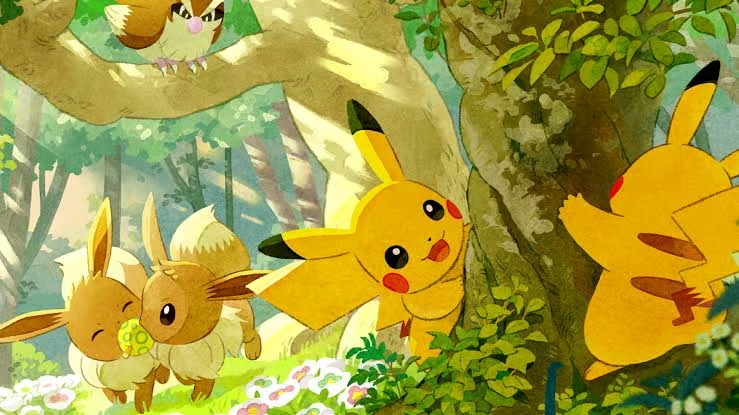
Mapping Pokémon’s Reported Return to Kanto for a New 30th Anniversary Strategy
The immediate metric behind this announcement is the roughly three-decade gap between the original Japanese launch and today’s reported rollout. Few legacy franchises make it thirty years without fundamentally changing how they reach players.
This reported Kanto revival hinges on coordinated multi-platform releases, not isolated hardware drops. Studios are prioritizing accessibility over platform exclusivity to reach broader groups of consumers. The strategy reflects a wider industry shift: cross-compatibility now shapes long-term revenue stability.
Development Metrics Behind Pokémon’s Reported Return to Kanto for New 30th Anniversary Projects
Development timelines show how creative partnerships helped sustain the franchise across multiple console generations. Satoshi Tajiri and Junichi Masuda played key roles in creating and developing the core Pokémon game series in its early years.
Their early work reportedly helped shape the combat and collection systems that still power current titles. Developers refined those systems over time to prevent progression fatigue, an approach that remains standard across modern mobile and PC games. Studios now use those same baseline engagement markers to track player retention. The original pacing calculations still influence live-service schedules.
Corporate Structure and Licensing Scale
Managing a global intellectual property takes clear corporate divisions and strict quality controls. Nintendo, Game Freak, and Creatures Inc. formed the joint venture known as The Pokémon Company, which oversees global brand management and licensing. This three-company structure helps prevent creative fragmentation while keeping visual and audio standards consistent worldwide. Licensing partners face rigorous compliance checks before integration.
Anniversary Campaign Breadth and Market Reach
Commercial growth during milestone years typically outpaces standard seasonal projections. Trading card expansions, limited-edition apparel collaborations, and digital soundtrack reissues could bring in measurable secondary revenue. Those peripheral products often help fund larger budgets for future core releases.
Consumer spending tends to spike around anniversary windows, giving publishers a clearer way to allocate marketing resources. Merchandise margins often surpass software sales percentages during these concentrated promotional periods. Companion Movies may also get simultaneous theatrical releases to boost brand visibility.
Projected Outcomes for the Revival Cycle
Modern gamers expect cloud saves, optimized frame rates, and accessible menus alongside classic regional maps. Developers who overlook hardware changes risk losing younger players used to instant loading and high-fidelity graphics.
Purists, meanwhile, want the original difficulty curves and encounter rates left untouched. Successful hybrids will likely offer optional remaster toggles so players can switch between vintage and enhanced modes. This two-way approach could reduce friction between generations of players.
| Milestone | Date / Entity | Significance |
|---|---|---|
| Original Japanese Launch | February 27, 1996 | Red and Green cartridges were introduced in Japan |
| 30th Anniversary Return | November 2, 2026 | Reported commemorative project debut in Kanto region |
| Core Creative Team | Junichi Masuda and Satoshi Tajiri | Key figures in the creation and early development of the core Pokémon game series |
| Joint Venture Structure | Nintendo, Game Freak, and Creatures Inc. | Form The Pokémon Company, which oversees global brand management and licensing |
FAQs
Why is the Kanto region being revisited for the 30th anniversary?
Kanto served as the main setting for the first generation of Pokémon role-playing games, making it a natural starting point for anniversary projects. Returning to these locations could let developers honor the original story while updating the environments.
Who manages the global brand operations for this anniversary rollout?
The Pokémon Company oversees global brand management and licensing for the franchise. It works with retail partners and media distributors to keep branding consistent across every territory.
How does the anniversary celebration affect future game development schedules?
Milestone years often bring extended playtesting to address requests for legacy features. Development teams may also dedicate extra resources to compatibility patches and digital storefront improvements before mainstream software launches. Nostalgia drives initial purchases, but technical execution determines long-term player retention. Source: Screenrant
Read Next
- Rings of Power Season 3: Why Prime Video’s Soft Reboot Could Change Everything
- Scam 2010 OTT Release: Siddharth Bodke Leads Hansal Mehta’s Next Scam Franchise Chapter
- My Sibling’s Romance 2: Miyeon and the Original Panel Return in a Fresh Poster
Was this article helpful?
Your feedback directly improves future articles on this site.