NAM321/6 (50 ov)
 IRE
 RAY
 ELC
 GMB
 ZMB
 NGA
 LES
 CAG
 BOL
 COMO
 SAS
 FCA
 FCU
 KOE
 S04
 M05
 SVW
 MOZ19
 UGA23/0 (0.5/20 ov, target 20)
 NZ180/5
 IND181/6 (19.5/20 ov, target 181)
 Ipswich1
 Nottm Forest1
 Alavés1
 Málaga1
 WA105/3 (18.5/50 ov, target 372)
 NSW371/8
 DEN
 KUW
 KENYA
 QAT
 SWD-W
 EPR-W
 TTN-W
 WPR-W
 BOR
 WAR15/1 (2.5/20 ov)
 LIONS
 Limpo21/1 (2.5/20 ov)
 NZ-A135/3 (41 ov)
 IND-A113
 DHA293/3 (84.1 ov)
 RAJ
 MYMS
 CHATT
 RAN320/5 (80 ov)
 BAR
 MEX-W
 ARG-W
 UAE
 NED
 PAK
 ENG
 IND-W
 ZIM-W
 AFG170/3 (34.3/50 ov, target 170)
 ZIM169
 RBL
 ELV
 SCP
 HSV
 Torino3
 Monza2
 Brest1
 Nice2
 Stuttgart2
 Gladbach3
 Al Ahli4
 Al Khaleej1

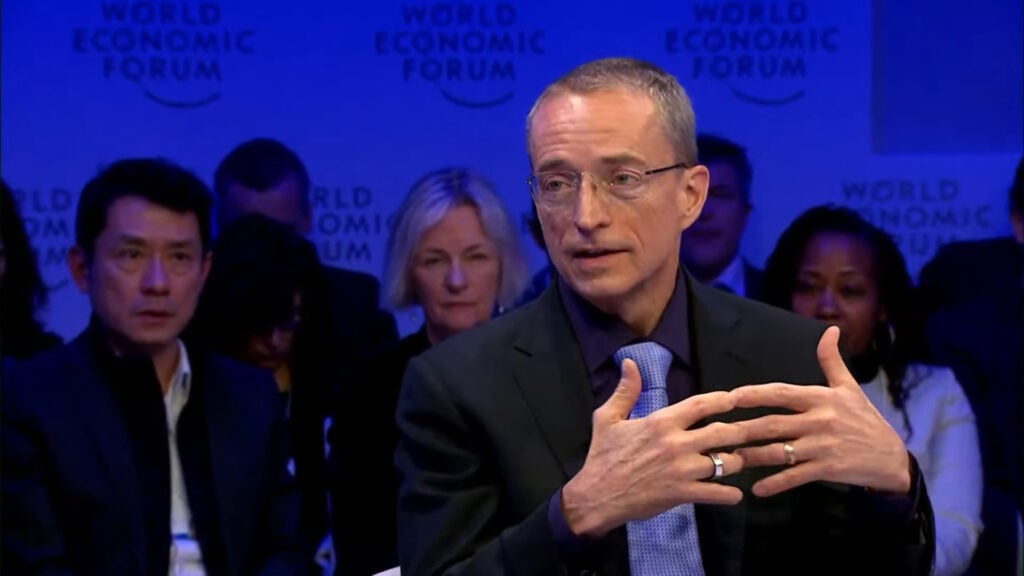
Former Intel CEO Pat Gelsinger, now general partner at Playground Global, recently discussed the intensifying AI chip competition during CNBC’s ‘Squawk Box.’ His key message? Google’s emergence as an AI hardware player is positive for the entire industry, including dominant leader Nvidia.
Table of Contents
The Competitive AI Chip Landscape
| Company | AI Chip | Key Advantage | Current Status |
|---|---|---|---|
| Nvidia | H100/Blackwell | Market leader, 2/3 revenue from top 5 customers | Dominant position |
| TPU (7th generation) | Custom design for internal use | Expanding commercial availability | |
| Intel | Gaudi 3 | Better TCO than H100, supply alternative | Challenging Nvidia |
| AMD | MI300 Series | Direct GPU competitor | Growing market share |
| Amazon | Trainium | Custom AI training chip | Internal deployment |
| Microsoft | Maia | Azure-optimized accelerator | Development phase |
Why Competition Matters
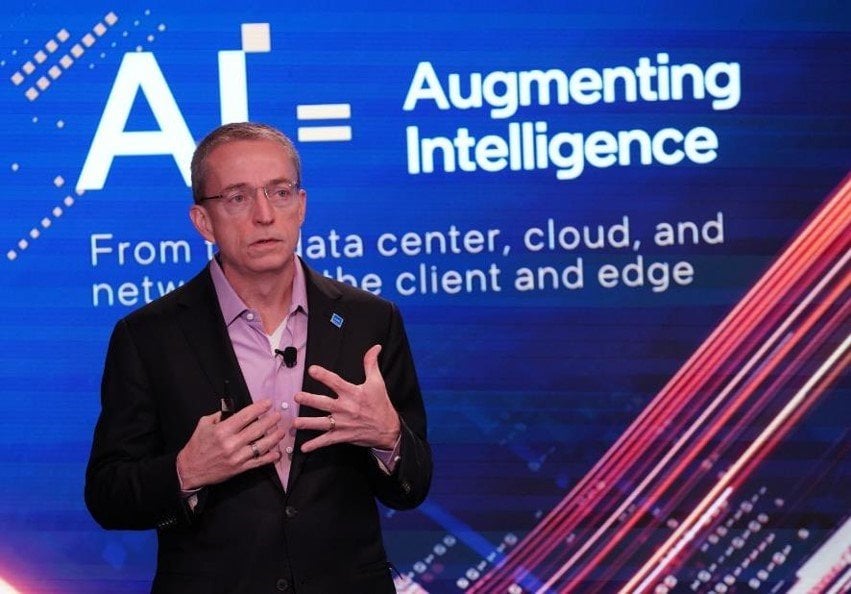
Gelsinger emphasized that competition fosters innovation and accelerates development across the industry. Google’s partnership with Broadcom to commercialize TPUs represents a strategic shift from internal-only deployment to broader market availability, creating meaningful alternatives to Nvidia’s dominant GPUs.
However, Gelsinger noted the challenges: building proprietary chips for internal data centers differs significantly from commercial availability in third-party facilities. This requires robust design partnerships, manufacturing scalability, and comprehensive support ecosystems.
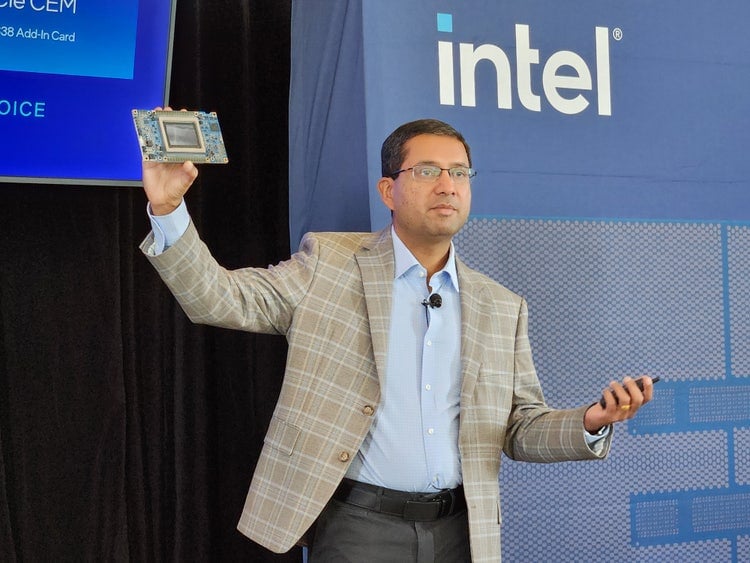
On AI model development, Gelsinger expressed skepticism about achieving superintelligence through simply building larger models, predicting breakthroughs will come from dedicated models, multi-model experiences, and mixture of experts. This architectural shift could favor specialized, efficient chips over massive general-purpose platforms.
For comprehensive tech industry analysis and AI developments, visit TechnoSports and watch the full CNBC Squawk Box interview.