EST0
 ALS0
 WI-A
 LIONS
 GAL
 VFB
 SHK
 SCP
 ATM
 MUN
 BAR
 AVL
 BODO
 LILL
 FEY
 INT
 LAS
 SLB
 Newcastle0
 Everton1
 Deportivo2
 Osasuna1
 Atalanta0
 Parma3
 Lorient0
 Brest2
 DOLPH
 WPR
 ASSAM135
 KNTKA496/5 (117 ov)
 MEGHA144
 NAGA254 & 73/3 (25 ov)
 TPURA268 & 54/4 (22 ov)
 SAU118
 BENG143
 MAHA207/9 (79 ov)
 ODSA
 JHK258/5 (108 ov)
 CHD49/3 (20 ov)
 TN571/7d
 CGR284
 HYD275/9 (83 ov)
 DELHI299/6 (90 ov)
 SVCS266
 GOA397
 BIHAR107 & 63/3 (22 ov) (f/o)
 GUJ534/9d
 KER74/3 (23 ov)
 HP153
 RAJ78 & 297/4 (87 ov)
 NZ
 IND
 UAE
 OMA
 BAN
 WI
 HH-W
 MR-W
 AS-W
 BH-W
 CD
 AUCK
 NED183/3 (36/50 ov, target 183)
 MS-W109 (18.1/20 ov, target 125)
 PS-W124/9
 LUL98/2 (11.4/20 ov, target 98)
 POA97/9
 BIK174/3
 JAB172/7 (20 ov, target 175)
 CHR129/6
 SPR131/5 (16.4/20 ov, target 130)
 KAY180/6
 KAG181/6 (19.4/20 ov, target 181)
 ALH0
 SHO1
 MAN
 ROMA
 Sassuolo2
 Fiorentina4
 CAHN0
 KYO0
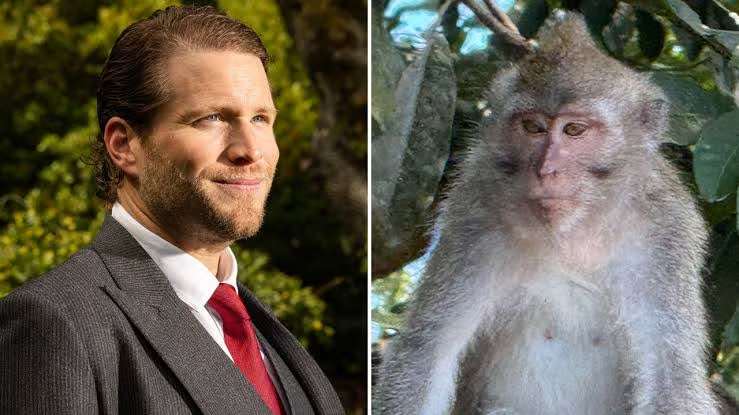
Palantir is a data analytics software company known for government and commercial big-data operations. The
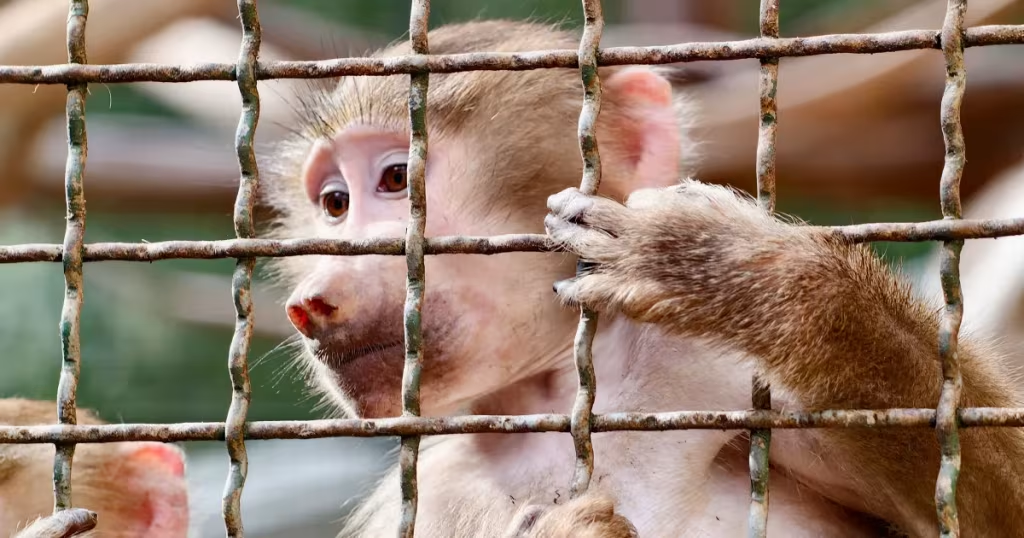
What Is Fueling The Dramatic Increase In Primate Costs?
Biomedical innovation often depends on complex testing phases, where living subjects help researchers ensure safety and efficacy. Biomedical and artificial intelligence research sectors have driven much of the demand for laboratory primates, since both require animal testing.
These advanced computational models now simulate thousands of molecular interactions each day. Still, they need physical validation through traditional clinical trials. Import restrictions from traditional suppliers like China created a severe shortage of research macaques in the United States. With supply limited and demand higher, reported initial purchase prices rose from approximately three thousand dollars in twenty nineteen to more than twenty thousand dollars as of November 2026. Tech hardware expenses fluctuate constantly, much like Apple’s New
Why Did A Tech Executive Choose To Invest In Biological Infrastructure?
Joe Lonsdale, Palantir’s co-founder, recently backed a proposed thirty-thousand-monkey breeding farm in the United States. Reports from What Are The Ethical And Operational Implications Of Scale? A facility housing thirty thousand animals needs rigorous environmental controls and specialized veterinary oversight. Domestic production could significantly reduce American laboratories’ reliance on imported animals for pharmaceutical testing. Still, animal welfare organizations, including PETA, have actively opposed large-scale primate breeding facilities in the United States. Critics say industrialized breeding puts corporate efficiency ahead of ethical treatment standards. Regulatory agencies must balance rapid drug approval timelines with strict animal welfare compliance protocols. Developers seeking to streamline these processes often turn to digital solutions, as Sloosh Wants Put does when exploring alternative mobile interaction methods. Transparent auditing frameworks and standardized care metrics can help bridge this gap. Can the industry achieve scientific acceleration and ethical responsibility at the same time? Stable biological resources remain the primary hurdle for accelerated drug discovery pipelines; the proposed breeding initiative offers a tangible answer to global supply shortages while challenging existing ethical paradigms. Tracking the venture’s progress will show whether domestic breeding can meet future research demands without compromising welfare standards. Palantir’s strategic pivot highlights the growing intersection of data science and biological manufacturing, while researchers should closely monitor regulatory approvals as the facility prepares for initial stock acquisitions. The proposed facility aims to eventually house thirty thousand macaques over a twenty-year expansion period. Why are macaques so expensive for medical research? Biomedical and artificial intelligence research sectors have driven heavy demand for laboratory primates because both require animal testing, while import restrictions have reduced available stock. Who is funding this large-scale primate breeding operation? Joe Lonsdale, Palantir’s co-founder, recently backed the initiative to create a self-sustaining domestic supply chain. Source: The google suncatcher Satellite Runs AI in Orbit and Sends a Haiku Home Was this article helpful? Your feedback directly improves future articles on this site.FAQs
How many monkeys will the new US breeding facility house?