NAM321/6 (50 ov)
 IRE
 GMB
 ZMB
 NGA
 LES
 CAG
 BOL
 COMO
 SAS
 FCA
 FCU
 KOE
 S04
 M05
 SVW
 RBL
 ELV
 MOZ19
 UGA23/0 (0.5/20 ov, target 20)
 NZ180/5
 IND181/6 (19.5/20 ov, target 181)
 Ipswich1
 Nottm Forest1
 Alavés1
 Málaga1
 WA105/3 (18.5/50 ov, target 372)
 NSW371/8
 DEN
 KUW
 KENYA
 QAT
 SWD-W
 EPR-W
 TTN-W
 WPR-W
 BOR
 WAR15/1 (2.5/20 ov)
 LIONS
 Limpo21/1 (2.5/20 ov)
 NZ-A135/3 (41 ov)
 IND-A113
 DHA293/3 (84.1 ov)
 RAJ
 MYMS
 CHATT
 RAN320/5 (80 ov)
 BAR
 MEX-W
 ARG-W
 UAE
 NED
 PAK
 ENG
 IND-W
 ZIM-W
 AFG170/3 (34.3/50 ov, target 170)
 ZIM169
 SCP
 HSV
 ARS
 EVE
 Torino3
 Monza2
 Brest1
 Nice2
 Stuttgart2
 Gladbach3
 Al Ahli4
 Al Khaleej1

CEO Sam Altman issued a public apology to the Tumbler Ridge community on April 25, 2026, addressing growing concerns about the societal impacts of artificial intelligence. This move comes after a tense community meeting on April 23, 2026, where residents voiced significant worries regarding AI’s potential effects on local employment and personal privacy.
While the apology signifies a step toward dialogue, it’s crucial to note that no official product specifications, pricing details, or new launch dates were announced in relation to this engagement. The focus remains squarely on community relations and future collaboration. According to VentureBeat AI.
Openai: Tumbler Ridge’s AI Apprehensions Surface
The residents of Tumbler Ridge, a community grappling with its identity in an era of rapid technological advancement, found their voices amplified in the days leading up to Sam Altman’s apology. The community meeting, held on April 23, 2026, served as a crucial platform for expressing anxieties that have been simmering beneath the surface. Concerns ranged from the potential displacement of local jobs due to automation to the more abstract, yet equally potent, fears surrounding data privacy in an AI-driven world.
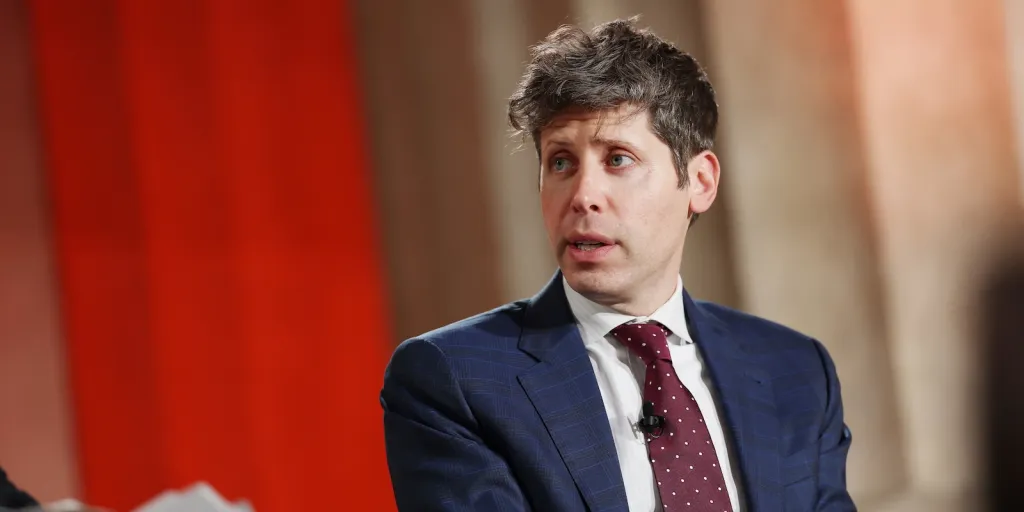
These worries are not unique to Tumbler Ridge; they echo sentiments felt in countless communities worldwide facing the accelerating integration of AI into daily life. What makes this situation particularly noteworthy is the direct engagement from OpenAI’s top executive, signaling a recognition of the need for direct communication and reassurance. The fact that this apology was issued on a specific date, April 25, 2026, underscores the immediacy with which is attempting to address these public relations challenges. It’s a stark reminder that while AI development races ahead, the human element and community impact must be carefully managed, a lesson perhaps learned from earlier controversies, such as the unauthorized access to Anthropic’s Mythos.
OpenAI’s Commitment: Education and Collaboration
Following the public apology, has outlined concrete steps aimed at fostering a more collaborative relationship with the Tumbler Ridge community. The tech giant confirmed plans to initiate AI education programs in partnership with local officials, with a projected start date of July 2026. This initiative intends to equip residents with a better understanding of AI technologies, their capabilities, and their limitations, thereby demystifying the field and potentially mitigating some of the job-related anxieties.
The goal is not just to offer an apology but to actively engage in building trust and providing tangible benefits through knowledge sharing. This proactive approach, focusing on education rather than product announcements, suggests a strategic shift in how major AI firms are beginning to address public perception and societal integration. It’s a move that could set a precedent for how other AI developers engage with communities potentially impacted by their innovations, echoing the broader discussions around Tech Budgets CEO and their role in shaping future technology landscapes.
Addressing the Unverified: AI’s Economic Impact
It is critical to address the nature of the concerns raised in Tumbler Ridge. While residents expressed worries about AI’s effects on local jobs and privacy, there are no confirmed reports as of April 25, 2026, of releasing new hardware or software specifically tied to the community that would directly cause economic harm or privacy breaches. Claims suggesting that OpenAI’s AI models have directly damaged Tumbler Ridge’s economy remain entirely unverified.
The company’s public apology and subsequent collaboration plans indicate a recognition of potential future impacts and a desire to proactively manage community perception. Unlike scenarios where specific product rollouts have direct economic consequences, this situation is primarily about addressing broader societal anxieties surrounding AI. The absence of specific product announcements means that the current discussion is less about immediate technological disruption and more about the long-term implications of AI development on a community’s social fabric and economic structure. This contrasts with situations where specific AI advancements, like those discussed in Vast Data’s $30 Billion valuation, directly impact infrastructure and market dynamics.