In a devastating blow to PC gamers, NVIDIA has reportedly discontinued production of the GeForce RTX 5060 Ti 16GB and RTX 5070 Ti, with ASUS confirming both models are officially “end of life.” The culprit? A severe GDDR7 memory shortage driving prices sky-high and forcing NVIDIA to prioritize 8GB models—leaving gamers with insufficient VRAM for modern titles just as they become the mainstream option.
The GPU Crisis: What’s Being Discontinued
| GPU Model | Status | Reason | Price Impact | Alternative |
|---|---|---|---|---|
| RTX 5060 Ti 16GB | Production halted (EOL) | GDDR7 shortage | 10-15% increase before stock depletion | RTX 5060 Ti 8GB |
| RTX 5070 Ti 16GB | Production halted (EOL) | GDDR7 shortage | $730→$830 (US), AU$1,200→AU$1,400 | RTX 5070 12GB (limited) |
| RTX 5080 | Severely limited supply | Memory allocation to AI | MSRP doubled in months | RTX 5090 (unaffordable) |
| RTX 5090 | Limited availability | AI prioritization | Skyrocketing prices | None |
| RTX 50 SUPER Series | Delayed/Canceled | Rising memory costs | N/A | Does not exist |
ASUS Confirms: RTX 5060 Ti 16GB is Dead
According to Hardware Unboxed, NVIDIA’s largest AIB partner ASUS officially confirmed that the RTX 5060 Ti 16GB and RTX 5070 Ti are in “end of life” status and will no longer be produced or restocked. Australian and US retailers report zero incoming shipments expected throughout Q1 2026 (January-April) and likely beyond.
This isn’t speculation—it’s confirmed reality from the world’s largest graphics card manufacturer’s partner. For gamers following hardware developments on TechnoSports, this marks one of the darkest moments in PC gaming history, forcing enthusiasts toward inadequate 8GB models while modern games increasingly demand 12GB+ VRAM.

The GDDR7 Memory Crisis: Why This is Happening
The root cause is a perfect storm of memory industry dynamics:
DRAM Manufacturers Prioritizing DDR5: With DDR5 RAM prices surging 100%+ and commanding premium margins, memory manufacturers like Samsung, SK Hynix, and Micron are allocating production capacity toward DDR5 for servers and PCs at the expense of GDDR7 for GPUs.
AI Data Centers Consuming Supply: NVIDIA’s AI GPUs (H100, H200, B100, B200) use massive amounts of HBM and GDDR memory, creating internal competition where AI products—generating vastly higher profits—receive allocation priority over gaming GPUs.
30-40% GPU Production Cut: Reports indicate NVIDIA has slashed overall GPU production by 30-40% in early 2026 due to memory constraints, with gaming cards bearing the brunt of cuts while AI accelerators continue unimpeded.
15-20% AIC Partner Allocation Reduction: Hardware leaker MEGAsizeGPU claims NVIDIA reduced graphics card supply to AIB partners by 15-20%, substantially limiting what manufacturers like ASUS, MSI, and Gigabyte can produce.
What NVIDIA is Pushing Instead: The 8GB “Solution”
With 16GB models discontinued, NVIDIA is reallocating supply toward:
RTX 5060 8GB: Positioned as the primary mainstream gaming GPU
RTX 5060 Ti 8GB: The “enthusiast” mid-range option
RTX 5070 12GB: The highest-end card with reasonable supply (still limited)
The problem? 8GB of VRAM is insufficient for 2026 gaming, especially at 1440p and 4K resolutions where modern titles like Cyberpunk 2077, Alan Wake 2, Star Wars Outlaws, and Indiana Jones: The Great Circle regularly exceed 10GB VRAM usage even at high (not maxed) settings.
For esports and competitive gamers on TechnoSports, this might seem acceptable—CS2, Valorant, and League of Legends run fine on 8GB. But for AAA single-player enthusiasts, content creators, and 1440p+ gamers, 8GB represents a forced downgrade that will age poorly within 12-24 months.

The Price Nightmare: 10-20% Increases Confirmed
Remaining RTX 5060 Ti 16GB and RTX 5070 Ti stock is experiencing dramatic price hikes:
United States:
- RTX 5070 Ti: $730 → $830 (+13.7%)
- RTX 5060 Ti 16GB: $400 → $450-480 (estimated, +12.5-20%)
Australia:
- RTX 5070 Ti: AU$1,200 → AU$1,400 (+16.7%)
- Similar percentage increases expected across other regions
Retailers predict 20% price hikes could become standard before long, with Australian outlets warning the vanilla RTX 5070 will follow suit despite still being produced in smaller quantities.
AMD’s Opportunity: Will They Seize It?
This disaster creates a golden opportunity for AMD to dominate the $500-$700 mid-range GPU market. AMD’s RDNA 4 architecture (Radeon RX 9060 XT, RX 9070 XT) uses cheaper GDDR6 memory rather than GDDR7, potentially allowing AMD to maintain supply and competitive pricing while NVIDIA struggles.
However, analysts remain skeptical AMD will fully capitalize. Some retailers even fear AMD could mirror NVIDIA’s playbook and discontinue key models like the RX 7900 XT, further limiting consumer options.
For Indian gamers on TechnoSports, AMD’s potential rise could mean better value propositions in the ₹40,000-₹60,000 price bracket where NVIDIA’s options are evaporating.
Intel Arc: The Dark Horse Alternative
With NVIDIA abandoning mid-range gamers and AMD’s commitment uncertain, Intel Arc B580 (priced around $250-$280) represents the best value in budget gaming—offering 12GB VRAM and performance comparable to RTX 4060 Ti at a significantly lower cost.
While Intel’s drivers and software ecosystem still lag NVIDIA’s maturity, the Arc B580 provides a viable escape route for 1080p gamers refusing to accept 8GB VRAM compromises.
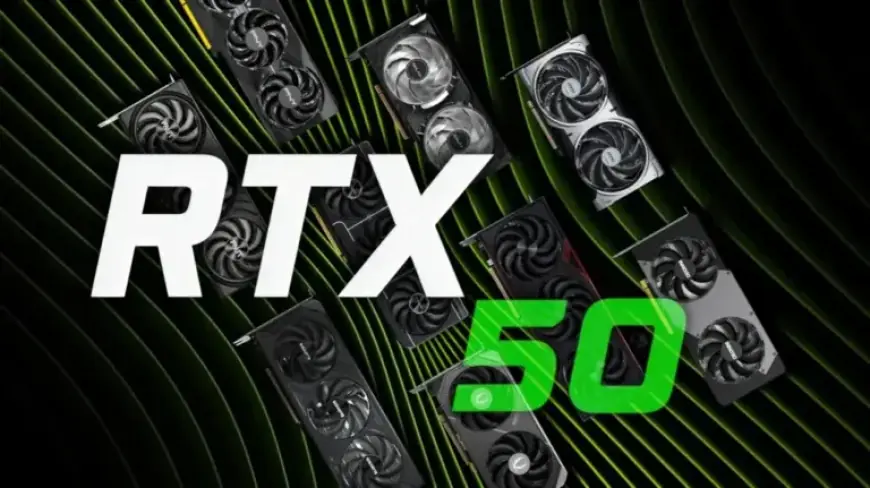
No RTX 50 SUPER Series: The Final Insult
Traditionally, NVIDIA releases beefed-up “SUPER” variants mid-generation to refresh product lines and address competitive gaps. However, RTX 50 SUPER cards were not announced at CES 2026 and are reportedly delayed or canceled entirely due to skyrocketing VRAM costs.
This means no RTX 5060 Ti SUPER with 12GB, no RTX 5070 SUPER with 16GB, no salvation for gamers seeking affordable high-VRAM options. The lineup you see now is the lineup you’re stuck with through 2027 at minimum.
What This Means for Gamers: Stark Choices
PC gamers face brutal options heading into 2026:
Option 1: Buy 8GB Models (Not Recommended)
- Accept VRAM-limited performance in modern AAA titles
- Expect obsolescence within 18-24 months
- Lower upfront cost but poor long-term value
Option 2: Stretch Budget to RTX 5070 12GB
- Limited availability, higher prices
- Still not the 16GB sweet spot for 4K gaming
- Best NVIDIA option under $1,000
Option 3: Wait for AMD RDNA 4
- RX 9060 XT and 9070 XT launching soon
- Potentially better VRAM configurations
- Risk: AMD may follow NVIDIA’s supply-cutting strategy
Option 4: Buy Used RTX 4000 Series
- RTX 4060 Ti 16GB, RTX 4070 Ti still available used
- No warranty, unknown condition
- May offer better value than new 8GB models
Option 5: Skip This Generation Entirely
- Keep existing GPU through 2026-2027
- Hope memory crisis resolves by RTX 60 series
- Miss out on DLSS 4, Frame Generation improvements
For competitive gamers and esports professionals following TechnoSports, holding existing GPUs may be the smartest play—your RTX 3060 Ti, RTX 4060, or even GTX 1660 Ti still handles esports titles fine, and this generation offers poor value.
NVIDIA’s AI Pivot: Gaming Takes a Back Seat
This crisis exposes NVIDIA’s strategic priorities: AI revenue dwarfs gaming. NVIDIA’s data center business generated $30.8 billion in Q3 2024 versus $2.9 billion from gaming—a 10:1 ratio making gaming GPUs an afterthought when memory supply is constrained.
CEO Jensen Huang’s infamous CES 2026 quote—”Are there no GeForce gamers in the room?”—followed by shareholder silence, perfectly encapsulates NVIDIA’s shift away from the community that built its empire.
The Bottom Line: A Dark Era for PC Gaming
The discontinuation of RTX 5060 Ti 16GB and RTX 5070 Ti, combined with 8GB cards becoming the mainstream standard, represents a catastrophic regression for PC gaming. Gamers are being forced to accept less VRAM at higher prices while NVIDIA prioritizes AI profits.
Unless AMD aggressively competes or memory prices collapse unexpectedly, 2026 will be remembered as the year PC gaming became prohibitively expensive for all but the wealthy—or those willing to compromise on VRAM that will age poorly as games evolve.
Stay updated on the GPU crisis and gaming hardware alternatives at TechnoSports—your source for PC gaming news, GPU coverage, and hardware buying guides.
Navigate the GPU shortage at TechnoSports—where gamers fight back against industry greed.