NZ113/3 (14.4 ov)
 IND
 NAP
 ROMA
 CHE
 TOT
 VAL
 VIL
 DOR
 SGE
 RIY
 TAA
 LAZ
 PAR
 RCL
 PAR
 MEX-W
 ARG-W
 NGA65/3 (7.4/20 ov, target 63)
 LES62
 MOZ19
 UGA23/0 (0.5/20 ov, target 20)
 NAM321/6
 IRE290 (47.3/50 ov, target 322)
 Ipswich1
 Nottm Forest1
 SWD-W
 EPR-W
 TTN-W
 WPR-W
 NZ-A135/3 (41 ov)
 IND-A113
 DHA293/3 (84.1 ov)
 RAJ
 MYMS299/4 (87 ov)
 CHATT
 RAN320/5 (80 ov)
 BAR
 SYL
 KHU
 UAE
 NED
 PAK
 ENG
 IND-W
 ZIM-W
 GMB
 ZMB
 AFG170/3 (34.3/50 ov, target 170)
 ZIM169
 ATM
 DEP
 Alavés1
 Málaga1
 Torino3
 Monza2
 Brest1
 Nice2
 Stuttgart2
 Gladbach3
 Al Ahli4
 Al Khaleej1
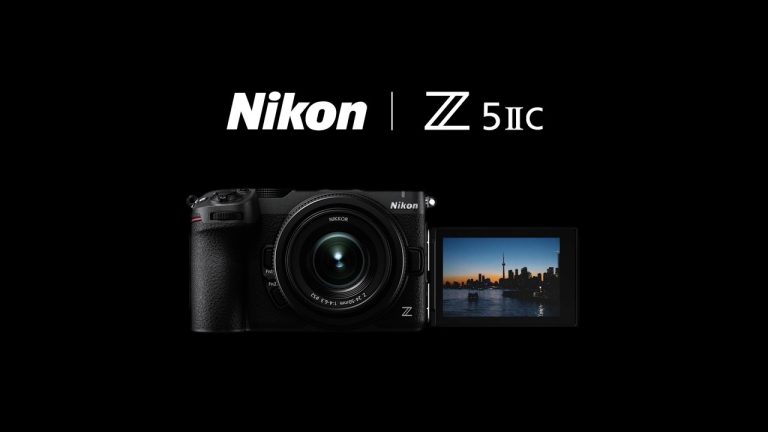
A camera body reportedly weighs 537 grams because one familiar component is gone. Nikon officially announced the Z5 IIC on Thursday, September 24, 2026, as a more affordable full-frame mirrorless camera built around the Z5 II platform but without an electronic viewfinder. Its confirmed launch date and
Nikon Z5 IIC: What Has Changed?
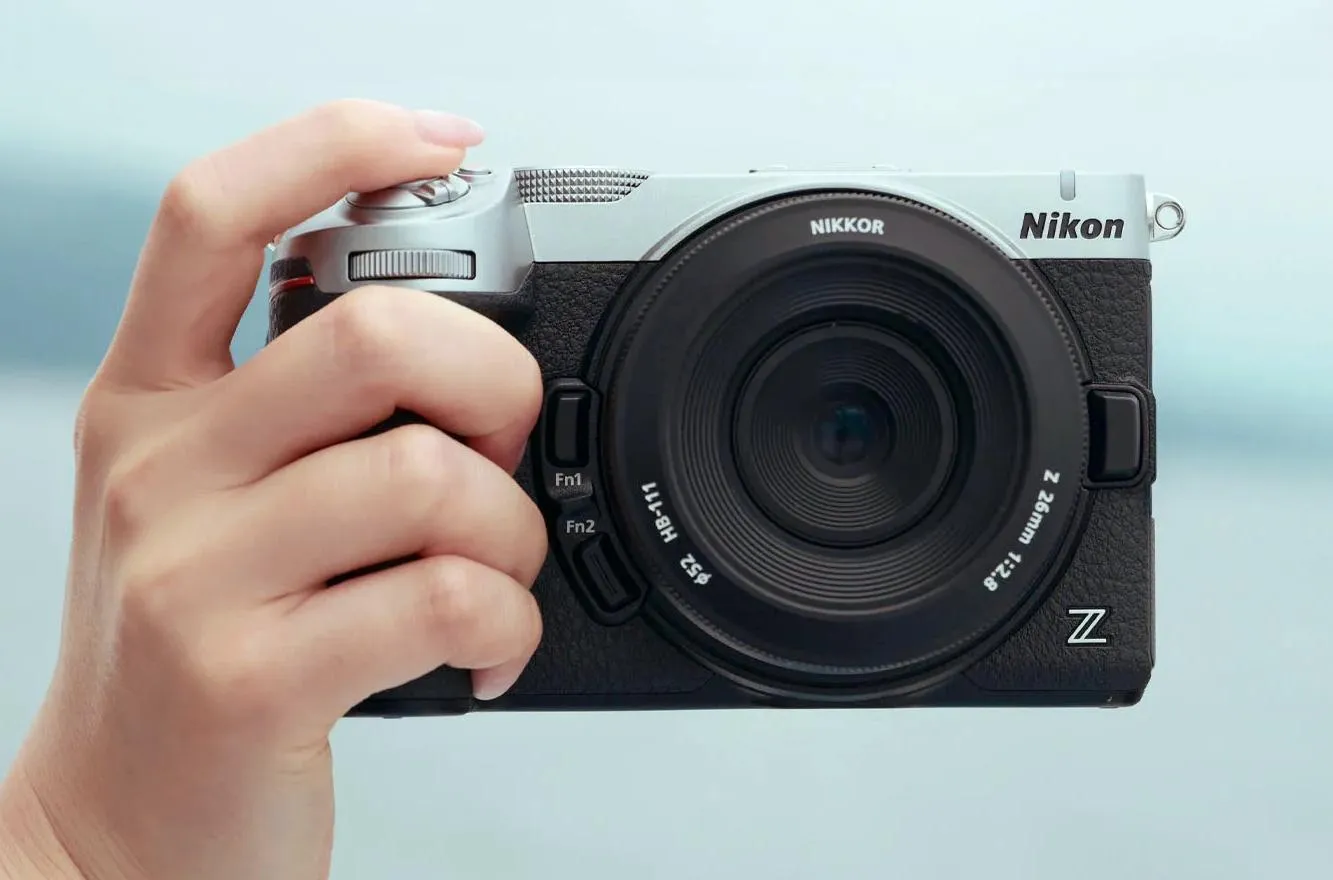
The Z5 IIC keeps the full-frame format and a reported 24-megapixel sensor, but removes the electronic viewfinder found on the Z5 II. The body reportedly weighs 537 grams, compared with a reported 700 grams for the Z5 II, creating a difference of about 163 grams.
That reported saving should matter to vloggers, travellers and first-time full-frame buyers who frame shots from the screen rather than hold a camera to the eye. The body reportedly still has a full-sized grip and manual controls, although it reportedly drops the Z5 II’s joystick and some buttons. > “The C is for ‘compact’,” a description of the design direction highlighted in the original coverage. As first reported by Engadget, the silver-and-black finish also gives the camera a more distinctive look than the usual all-black body.
Z5 IIC Video Features and Display
The most important reported feature is the fully articulating 3.2-inch, 1.04-million-dot touchscreen. A flip-out display is useful for solo shooting because it lets users monitor framing from in front of the camera, making the Z5 IIC a strong candidate for entry-level vlogging.
Reported video options extend beyond basic 4K recording. The camera reportedly supports 4K at 30 frames per second using the full 6K sensor width, while 4K at 60 frames per second reportedly applies a 1.5x crop. Reportedly, slow-motion recording reaches 1080p at 120 frames per second, and internal RAW video gives creators more flexibility during post-production. That said, the viewfinder-free design changes the shooting experience. Bright sunlight can make screen framing harder, while photographers who prefer eye-level composition may find the Z5 II more practical despite its extra weight.
Reported Specifications and Missing Details
Nikon has not confirmed the Z5 IIC’s processor specifications, RAM or storage configurations, display specifications, or battery specifications. Those gaps matter because processing hardware affects autofocus, video handling and the camera’s ability to sustain demanding recording modes. The confirmed
| Feature | Z5 IIC |
|---|---|
| Sensor resolution | Reported 24 megapixels |
| Electronic viewfinder | Not included |
| Weight | Reported 537 grams |
| Rear display | Reported 3.2-inch, 1.04-million-dot articulating touchscreen |
| Video | Reported 4K at 30 fps, 4K at 60 fps with 1.5x crop, 1080p at 120 fps |
Who Should Buy the Z5 IIC?
The Z5 IIC is aimed at creators who already compose through a display and want full-frame image quality without carrying a heavier body. Its reported articulating screen, RAW video support and 4K recording modes give it a clear advantage for solo video work.
Traditional photographers face a tougher choice. The Z5 II retains the electronic viewfinder, joystick and additional controls, so it remains the safer option for outdoor photography, fast-moving subjects and users who prefer a camera-to-eye workflow. The next decision is 537 grams, no viewfinder, and a full-frame camera designed to be watched through its screen. If the It is worth watching how Nikon develops from here.
FAQs
Is the Z5 IIC cheaper than the Z5 II?
It is designed as a more affordable version of the Z5 II, but the confirmed retail
Does the camera have an electronic viewfinder?
No. The electronic viewfinder has been removed, and users compose through the articulating rear touchscreen.
Is the Z5 IIC suitable for vlogging?
Reportedly, the fully articulating display, 4K recording modes, 1080p at 120 fps and internal RAW video make it suitable for solo creators.
When will the camera launch?
The confirmed launch date remains unconfirmed. Nikon’s Z5 IIC could win over creators who value a lighter body more than an electronic viewfinder, but its final Engadget
Was this article helpful?
Your feedback directly improves future articles on this site.