Mohamed Salah just hit a huge milestone — he’s notched his 200th club goal. That number, 200, really stands out. But here’s the thing: if you want to truly appreciate moments like that, you’ve got to understand how the offside rule affects each goal. Figuring out offside isn’t just for die-hard fans; it’s actually key to following those match-defining moments. And if you’re still scratching your head about offside, don’t worry — you’re definitely not alone.
Mohamed Salah Goals: What is the Offside Rule?
The offside rule says a player is in an offside position if any part of their head, body, or feet is closer to the opponents’ goal line than both the ball and the second-last defender at the exact moment the ball is played to them. But that’s not the whole story. Simply standing in an offside position doesn’t mean you’ve broken any rules — you have to actually get involved in active play, like receiving the pass or blocking an opponent. The rule exists to stop attackers from lurking near the goal (“goal-hanging”) all match and to keep play more tactical and exciting.
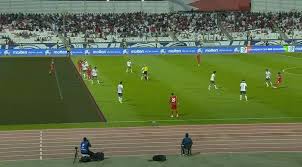
3 Key Elements and Major Exceptions in Offside
To really get how Mohamed Salah racks up his goals, you need to know the details. Here are the three main things that define offside:
- It’s where you are the moment the ball is played, not when you receive it.
- Any part of the head, body, or feet counts — but not your arms.
- Referees only call offside if you get involved in the play.
There are some important exceptions, too. A player can’t be offside if they get the ball straight from a goal kick, corner kick, or throw-in. According to BBC Sport, this small rule tweak has actually changed the result of some big matches. It’s easy to overlook, but it’s often the difference between a cheer and a groan — ask anyone who follows Mohamed Salah Chelsea replays.
3 Common Offside Scenarios Explained
Let’s break down three classic offside situations:
- A forward makes a well-timed run and stays level with the last defender — that’s onside, so play goes on.
- A winger sends in a cross, and the striker behind the defense taps it in — that’s offside, even if the pass was a fluke.
- Someone stands offside but doesn’t touch the ball or get involved — play continues, no whistle.
Things get tricky with rebounds or “second phases.” Think about this: if a shot hits the post and bounces to a player who’s offside, the flag goes up. How do these split-second decisions affect Mohamed Salah’s goal tally? Sometimes it’s a perfectly timed sprint that means the difference between a history-making goal and one that gets wiped out — a point that comes up a lot when folks debate the Bukayo Saka Record too.