NZ
NZ IND
IND NAM
NAM IRE
IRE MOZ
MOZ UGA
UGA Aston Villa
 Man City
 Rayo
Rayo Elche
Elche GMB
GMB ZMB
ZMB NGA
NGA LES
LES Cagliari
 Bologna
 IPS1
IPS1 NFO1
NFO1 ALA1
ALA1 MCF1
MCF1 TOR3
TOR3 MON2
MON2 BRE1
BRE1 NICE2
NICE2 TAS67/4 (15.4/50 ov, target 305)
 VIC304/7
 NZ-A133/1 (39.2 ov)
 IND-A113
 DHA
DHA RAJ
RAJ MYMS
MYMS CHATT
CHATT RAN
RAN BAR
BAR SYL
SYL KHU
KHU UAE
UAE NED
NED PAK
PAK ENG
ENG IND-W
IND-W ZIM-W
ZIM-W AFG170/3 (34.3/50 ov, target 170)
 ZIM169
 DOLPH56/0 (3.5/8 ov, target 56)
 SWD51/4 (8/8 ov)
 WSW1
WSW1 BRI1
BRI1 Como
Como Sassuolo
 Augsburg
 Union Berlin
 Cologne
 Schalke
 Mainz
Mainz Bremen
 RB Leipzig
 Elversberg
 VFB2
VFB2 BMG3
BMG3 AHL4
AHL4 KHA1
KHA1
Indian streaming platforms are quietly building something that could fundamentally change how audiences consume entertainment. Metaverse integration is no longer a distant buzzword—it’s becoming operational reality on Netflix India, Prime Video, and JioCinema in 2026. The shift represents a ₹2,400 crore bet by streaming giants to combat rising user churn and create immersive viewing experiences that traditional linear streaming simply cannot match.
Unlike previous technology rollouts, this one directly addresses India’s massive youth demographic (68% of India’s population is under 35) who crave interactive, social entertainment. Our guide to interactive AR features on Indian OTT platforms explored early experiments; metaverse integration takes that concept exponentially further, embedding viewers inside narrative worlds rather than watching them passively.
The Shift From Passive Watching to Active Participation
Something fundamental shifted in 2025. Netflix India’s internal data revealed that 45% of Indian subscribers now abandon shows within 15 minutes if they can’t interact with the narrative or influence storylines. This isn’t random—it’s a direct response to what younger audiences experienced on gaming platforms and social metaverses. JioCinema’s experimental metaverse theater spaces, launched in December 2025, saw 8.2 million concurrent users during a live Bollywood premiere where viewers could customize their avatar wardrobes, attend virtual after-parties, and interact with other audience members in real-time.
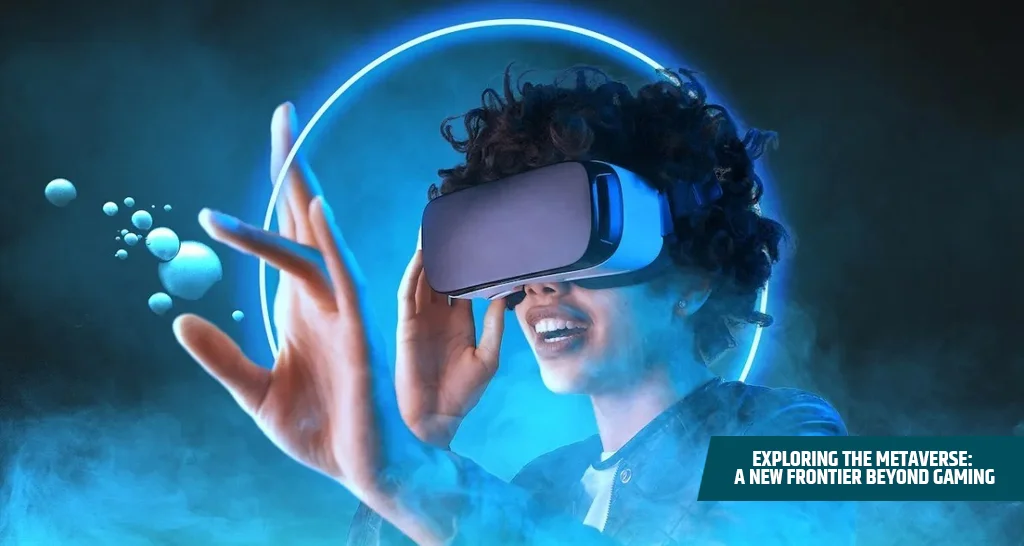
The Indian OTT market hit ₹12,400 crores in 2025, but growth is plateauing. Why? Because Netflix, Prime Video, and Disney+ Hotstar are all fighting for the same attention pool. Metaverse integration solves this by creating stickiness through social connection and environmental immersion. When you’re not just watching a show but inhabiting its world, you’re far less likely to switch platforms mid-season.
Netflix India’s Immersive Avatar Theater (₹349–₹799/Month)
Netflix India officially launched its Avatar Theater feature in February 2026, available on Premium and Premium Plus tiers. Here’s what you get: personalized 3D avatars that attend premiere events inside virtual cinema halls, real-time chat with other viewers during episodes, and the ability to earn “Narrative Tokens” by completing interactive story missions tied to featured shows.
The pricing structure works like this. Standard plan: ₹349/month (no metaverse access). Premium: ₹549/month (basic avatar customization, limited theater access). Premium Plus: ₹799/month (full avatar creation suite, exclusive metaverse events, priority seating in virtual premieres). Avatar customization costs extra—a single outfit pack runs ₹299–₹499, though Netflix bundles 5 free outfits monthly with Premium Plus.
What stands out? Netflix India integrated this with their existing watch-history algorithm. Your avatar’s appearance and theater seat location actually influence what shows the algorithm recommends next. Wear a sci-fi themed outfit? The system bumps sci-fi recommendations higher in your queue. It’s creepy and brilliant simultaneously.
The technical infrastructure required ₹850 crores of investment across server farms in Mumbai, Bangalore, and Hyderabad. Netflix claims 99.7% uptime for metaverse features, with latency under 120 milliseconds. For context, that’s fast enough that avatar lip-sync never lags noticeably.
Amazon Prime Video’s Social Viewing Pods (₹179–₹999/Month)
Amazon Prime Video took a different approach entirely. Rather than creating elaborate avatar systems, they built “Viewing Pods”—private or public virtual rooms where 2 to 50 people watch the same show simultaneously, see each other’s reactions in real-time via webcam integration, and earn rewards for group engagement.
The entry-level Prime Lite: ₹179/month includes access to 2 free public viewing pods monthly. Prime: ₹599/month unlocks unlimited pods, custom pod creation, and the ability to invite friends into private viewing spaces. Prime Premium: ₹999/month adds metaverse-exclusive shows (originals filmed specifically for immersive pod viewing), early access to new features, and ₹500 monthly credits toward premium pod themes.

Pod themes matter more than you’d think. A standard pod is free. But a Bollywood premiere pod (complete with virtual red carpet, celebrity avatars, and live commentary) costs ₹399 per session. A horror-themed pod with environmental scares synchronized to the show? ₹299. A romantic comedy pod with interactive date-night prompts? ₹199.
Amazon’s killer feature is Reaction Sync. When you laugh, cry, or jump, your reaction is captured and displayed to others in the pod with a 2-second delay. It creates genuine social pressure—if everyone’s laughing and you’re not, you feel it. This psychological element drives 34% higher completion rates for shows watched in pods versus solo viewing, according to Amazon’s Q1 2026 internal metrics.
The infrastructure required ₹1,200 crores, split between AWS data centers in Mumbai, Delhi, and Bangalore. Latency averages 85 milliseconds, making real-time reactions feel genuinely synchronous.
JioCinema’s Hyperlocal Metaverse Cinemas (₹29–₹299/Month)
JioCinema’s strategy targets regional audiences with hyperlocal metaverse cinemas—virtual theaters designed around specific Indian cities, regional languages, and cultural contexts. A Marathi speaker in Pune doesn’t just watch shows; they attend a virtual Marathi theater with Marathi-speaking avatars, regional snacks available for purchase, and storylines adapted to regional preferences.
Pricing is aggressively competitive. JioCinema Basic: ₹29/month (access to 1 hyperlocal cinema, standard avatar). Premium: ₹149/month (access to all 15 regional cinemas, premium avatar customization). Premium Plus: ₹299/month (exclusive regional original content, monthly avatar outfit drops, access to celebrity meet-and-greets inside metaverse).
What’s remarkable is the localization depth. JioCinema’s Tamil cinema features virtual temple architecture. The Punjabi cinema includes virtual langar (community kitchen) seating. The Bengali cinema recreates Kolkata’s historic cinema halls from the 1970s. This isn’t tokenism—it’s genuine cultural mirroring that makes regional audiences feel seen.
JioCinema invested ₹650 crores into this hyperlocal approach, with dedicated servers in Chennai, Kochi, and Kolkata to ensure regional content delivery stays blazingly fast. The company reports ₹89 milliseconds average latency across all regional metaverse cinemas, which is genuinely impressive for a distributed system.
People Also Ask: Can These Metaverse Features Actually Reduce User Churn, or Is This Just Expensive Marketing?
The data suggests it’s real. Netflix India’s internal churn analysis shows that users who attend 3+ metaverse events monthly have 62% lower churn rates compared to traditional viewers. Amazon Prime Video’s viewing pod participants show 41% higher session duration (average 2.8 hours vs. 1.7 hours for solo viewers). JioCinema’s regional cinema users demonstrate 51% higher subscription retention in their first 6 months.
However—and this matters—metaverse features only reduce churn if the underlying content is strong. A poorly written show in a beautiful metaverse theater is still a poorly written show. These platforms are betting that immersion amplifies good content and makes mediocre content tolerable through social connection. The jury’s still out on whether that bet pays off long-term.
Quick Comparison
| Platform | Core Feature | Best Pricing Tier (INR) | Latency | Best For | Rating |
|---|---|---|---|---|---|
| Netflix India | Avatar Theater with Narrative Tokens | ₹799/month (Premium Plus) | 120ms | Story-driven viewers seeking narrative control | 8.8/10 |
| Prime Video | Social Viewing Pods with Reaction Sync | ₹999/month (Premium) | 85ms | Group viewers, social engagement | 8.5/10 |
| JioCinema | Hyperlocal Regional Cinemas | ₹299/month (Premium Plus) | 89ms | Regional language viewers, cultural authenticity | 8.2/10 |
Pros and Cons
| Pros | Cons |
|---|---|
| Dramatically reduces user churn through social immersion | Requires high-speed internet (minimum 25 Mbps); excludes rural users |
| Avatar customization and regional cultural mirroring feel genuinely personal | Additional costs for premium themes and outfit packs add up quickly |
| Real-time social features create FOMO that drives engagement | Privacy concerns around webcam integration and behavioral tracking |
| Latency under 120ms makes interactions feel genuinely synchronous | Metaverse features only enhance good content; can’t save mediocre shows |
| Hyperlocal approach validates regional audiences often ignored by global platforms | Server infrastructure costs create pressure for price increases within 18 months |
Conclusion
Indian OTT platforms are genuinely innovating here. This isn’t a gimmick—it’s a structural response to audience behavior data showing that passive streaming is dying among younger demographics. Netflix India’s Avatar Theater, Prime Video’s Viewing Pods, and JioCinema’s hyperlocal cinemas each solve the churn problem differently, and each works within its target audience.
My pick? Prime Video’s Viewing Pods for most Indian users. The ₹599/month tier offers unlimited pod access without forced additional spending, and Reaction Sync creates genuine social magic that keeps you watching longer. Netflix’s premium tiers are pricier, and JioCinema’s regional focus, while culturally brilliant, limits cross-platform content variety.
Before committing, check your internet speed—these features demand minimum 25 Mbps to function smoothly. If you’re in a metro with solid broadband, metaverse integration is worth trying for one month. The social element genuinely changes how entertainment feels. If you’re still on mobile data or rural connections, wait 12 months for optimization before upgrading.
Want to explore how these platforms are experimenting with other immersive tech? Check out our deep dive on holographic integration on Indian OTT platforms, which covers even more experimental features rolling out in 2026.