
 NZ
 IND
 NAM
 IRE
 MOZ
 UGA
 Aston Villa
 Man City
 Rayo
 Elche
 GMB
 ZMB
 NGA
 LES
 Cagliari
 Bologna
 IPS1
 NFO1
 ALA1
 MCF1
 TOR3
 MON2
 BRE1
 NICE2
 TAS67/4 (15.4/50 ov, target 305)
 VIC304/7
 NZ-A133/1 (39.2 ov)
 IND-A113
 DHA
 RAJ
 MYMS
 CHATT
 RAN
 BAR
 SYL
 KHU
 UAE
 NED
 PAK
 ENG
 IND-W
 ZIM-W
 AFG170/3 (34.3/50 ov, target 170)
 ZIM169
 DOLPH56/0 (3.5/8 ov, target 56)
 SWD51/4 (8/8 ov)
 WSW1
 BRI1
 Como
 Sassuolo
 Augsburg
 Union Berlin
 Cologne
 Schalke
 Mainz
 Bremen
 RB Leipzig
 Elversberg
 VFB2
 BMG3
 AHL4
 KHA1
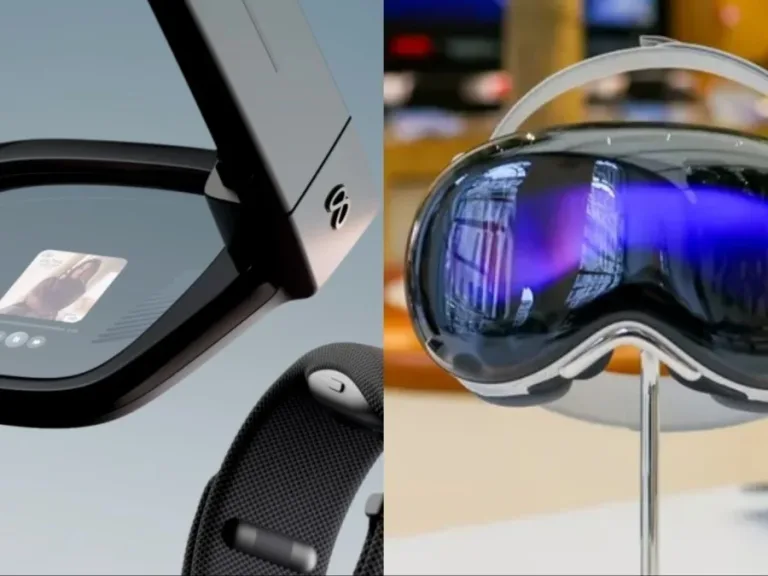
Meta announced its new high-end VR glasses on September 24, 2026, positioning the device as a lighter alternative to the Vision Pro rather than another bulky headset. The reported $1,300

Why Meta’s Vision Pro Alternative Matters
The central problem with premium spatial computing is not capability; it is comfort and $3,499 in the United States, but its weight, external battery and high entry cost limited its appeal beyond early adopters and professional users. Meta’s approach reportedly separates the glasses from the main computing and power hardware, allowing the frame to resemble oversized sunglasses rather than a sealed visor.
That design could make long movie sessions, floating work windows and gesture controls more practical. The downside is that an external pod adds another object to carry and may make the experience less seamless than an all-in-one headset. According to Meta’s Reported VR Glasses Specifications The reported hardware points to a compact device with flagship-class components. Micro-OLED panels should provide the contrast and pixel density needed for large virtual screens, while a custom Qualcomm Snapdragon XR processor would handle spatial tracking, graphics and mixed-reality workloads. The base configuration is said to include 16GB of RAM and 256GB of storage. A battery rated for approximately two hours of continuous use remains the clearest limitation, particularly for travellers or professionals expecting a full work session.
| Feature | Reported detail |
|---|---|
| Display | Micro-OLED |
| Processor | Custom Qualcomm Snapdragon XR |
| RAM | 16GB |
| Storage | From 256GB |
| $1,300; November 2026 |
The memory and storage figures would place the product closer to a premium computer than a conventional pair of smart glasses. However, the short battery
Apple’s Missed Opportunity And Meta’s Trade-Off
Apple still owns the clearest premium brand in spatial computing, but its first headset made the category feel like a specialist product. A lighter format at roughly one-third of the original Apple NAND: compact design can improve convenience while reducing repairability, upgrade flexibility or endurance. Meta’s device may solve the weight problem without solving the ownership problem.
What Happens Before The November Launch?
Meta must clarify the final $1,300 figure would convert to roughly ₹1.25 lakh before Indian taxes and retail costs, so the India It is worth watching how Vision Pro develops from here.
FAQs
What is the reported
The reported retail $1,300, although the figure has not been officially confirmed.
When are Meta’s VR glasses expected to launch?
The hardware is scheduled for November 2026 under the supplied launch information, although the date has not been officially confirmed.
What display technology do the glasses use?
The reported device uses Micro-OLED display technology.
How much RAM and storage does the base model have?
The base model is reported to include 16GB of RAM and 256GB of storage.




