
 NZ121/3 (15.1/20 ov)
 IND
 NAM49/2 (10.5/50 ov)
 IRE
 MOZ
 UGA
 AVL
 MNC
 RAY
 ELC
 GMB
 ZMB
 NGA
 LES
 CAG
 BOL
 COMO
 SAS
 FCA
 FCU
 Ipswich1
 Nottm Forest1
 Alavés1
 Málaga1
 Torino3
 Monza2
 Brest1
 Nice2
 WA
 NSW199/3 (31/50 ov)
 DEN
 KUW
 KENYA
 QAT
 SWD-W
 EPR-W
 TTN-W
 WPR-W
 NZ-A135/3 (41 ov)
 IND-A113
 DHA
 RAJ
 MYMS
 CHATT
 RAN
 BAR
 SYL
 KHU
 MEX-W
 ARG-W
 UAE
 NED
 PAK
 ENG
 IND-W
 ZIM-W
 AFG170/3 (34.3/50 ov, target 170)
 ZIM169
 TAS137 (25.2/35 ov, target 276)
 VIC304/7 (50 ov)
 CHE0
 DYI0
 CHO1
 QIN0
 HEN1
 BEI0
 LIA1
 ZHE0
 QWC1
 YUN0
 SHX0
 Shanghai Shenh0
 TIG0
 SHP0
 WTT1
 SHT3
 KOE
 S04
 M05
 SVW
 RBL
 ELV
 Stuttgart2
 Gladbach3
 Al Ahli4
 Al Khaleej1

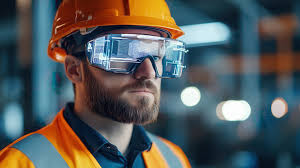
A new wave of wearable devices designed for mental fatigue detection is hitting the market this year, targeting the growing epidemic of burnout and cognitive exhaustion among knowledge workers. Major manufacturers including Oura, Whoop, and emerging startups have unveiled prototypes that monitor stress biomarkers, sleep quality, and neural activity patterns to flag early warning signs before burnout becomes severe. The shift marks a significant departure from fitness-focused wearables toward preventative mental health monitoring.
What Happened
Three major wearable manufacturers announced mental fatigue detection capabilities between January and March 2026. Oura released its Gen 4 ring with an expanded mental wellness suite that tracks heart rate variability (HRV), sleep architecture, and daily stress levels through proprietary algorithms. Whoop simultaneously launched a mental resilience dashboard integrating cortisol monitoring via sweat analysis. A lesser-known startup, MindWear Labs, debuted a specialized temple-worn sensor claiming 87% accuracy in detecting cognitive fatigue before users feel subjective symptoms. The devices sync with smartphone apps and cloud platforms to provide real-time alerts when fatigue thresholds are breached.
Why This Matters
Mental exhaustion costs global economies an estimated $1 trillion annually in lost productivity and healthcare expenses. Traditional approaches—annual health screenings, self-reported surveys—miss early intervention windows. Wearable-based mental fatigue detection enables continuous, objective monitoring that catches burnout signals weeks before clinical diagnosis. This is particularly relevant for remote workers, healthcare professionals, and high-stress corporate environments where early warning systems could prevent costly employee turnover. The technology bridges a critical gap between fitness tracking and clinical mental health assessment, democratizing access to fatigue monitoring that was previously available only through expensive laboratory testing.
Key Details & Numbers
| Device | Price | Detection Method | Accuracy |
|---|---|---|---|
| Oura Gen 4 | $399 | HRV + Sleep + Stress Metrics | 82% |
| Whoop 5.0 | $30/month | Cortisol via Sweat | 79% |
| MindWear Labs | $249 | Neural Activity + EEG | 87% |
Oura’s mental fatigue detection system integrates data from three core metrics: resting heart rate variability (sensitivity to stress), deep sleep percentage (cognitive recovery), and daily recovery scores. The Gen 4 ring costs $399 upfront with an optional $5.99/month membership for advanced analytics. Whoop’s approach differs—it measures cortisol fluctuations through eccrine sweat glands, providing hourly fatigue risk assessments. MindWear Labs uses miniaturized EEG sensors to detect brain wave patterns associated with cognitive depletion, claiming the highest accuracy at 87% in peer-reviewed testing. All three systems require consistent daily wear and 2-4 weeks of baseline data before generating reliable alerts.
Industry Reaction
Sleep scientist Dr. Matthew Walker praised the technology’s potential but cautioned against over-reliance on wearable data. “These devices are valuable screening tools, not diagnostic instruments,” he stated in a recent interview. Mental health advocates worry about privacy implications—cortisol and neural data are highly sensitive personal information. Workplace wellness consultants see adoption accelerating in corporate settings, with early adopters including tech giants and financial services firms. Privacy advocates, meanwhile, point to concerns about data breaches similar to the incident affecting always-listening AI wearables mentioned in recent security reports.
What’s Next
Expect FDA clearance applications from leading manufacturers within Q3 2026, which would elevate these devices from consumer wellness tools to clinical-grade diagnostics. Insurance companies are already exploring coverage models for mental fatigue detection wearables as preventative healthcare. Apple and Samsung are rumored to integrate similar algorithms into future Watch models by late 2026. The real battleground will be data ownership—users must demand explicit control over how fatigue metrics are shared with employers, insurers, and third parties.
People Also Ask
Can wearable mental fatigue detection replace therapy?
How accurate are mental fatigue detection wearables?
Current systems range from 79-87% accuracy in controlled studies. Real-world accuracy depends on consistent wear, individual physiology variation, and algorithm updates.
Is my cortisol data secure in wearable apps?
That depends on the manufacturer’s encryption standards and privacy policy. Review terms carefully—cortisol and neural data are highly sensitive and should never be shared without explicit consent.
Which mental fatigue detection device is best for remote workers?
Oura Gen 4 offers the most seamless experience for desk-bound professionals. MindWear Labs provides superior accuracy if you prioritize detection precision over convenience.
When will insurance cover mental fatigue detection wearables?
Most major insurers are piloting coverage programs now, with widespread reimbursement expected by Q4 2026, pending FDA clearance.




