SA329 & 387
 AUS429 & 5/2 (0.6 ov, target 288)
 BAN272 & 142
 WI245 & 91/0 (18.1 ov, target 170)
 UAE
 NED208/4 (44.2/50 ov)
 PAK
 SL41/0 (7.5/50 ov)
 PS-W
 MR-W20/4 (5.1/20 ov)
 CFC
 KER
 CHE
 MAN
 LEV
 ATM
 TAA
 ETT
 BOL
 MON
 MBSG
 PFC
 B04
 VFB
 BMG
 SCP
 Lille1
 Lens0
 Villarreal0
 Espanyol1
 Elversberg4
 Mainz1
 Le Havre AC1
 PSG5
 CHR
 LUL
 JER
 QAT
 KENYA
 PNG
 AFG116 (5.2/6 ov)
 SCOT
 TAS427
 NSW174/8 (60 ov)
 NZ-A
 IND-A291/7 (88 ov)
 QLD
 VIC282/9 (84 ov)
 NZ
 IND
 NAM
 IRE
 ZIM
 ST-W
 BH-W
 SS-W
 HH-W
 BIK
 SPR
 SWD
 EASTN
 MOW
 VAG
 AS-W185/2
 MS-W164/7 (20 ov, target 186)
 HKG106/3
 Nice5
 Rennes2
 Al Shabab6
 Al Ahli1

Marcus Rashford has spent his entire professional career right in the middle of football’s wildest tech shift—the rise of Video Assistant Referee (VAR) technology. VAR started out as something new and experimental, but now, it shapes the biggest moments in football. We’re talking about everything from dramatic title races to desperate relegation battles. And let’s be real: it’s not just there for fixing offside calls.
How VAR Changed Things for Marcus Rashford and His Peers
Think back to 2016. That’s when the first VAR trials kicked off. People were excited about fewer officiating mistakes, but the debates fired up almost immediately. By the time Rashford made his breakthrough at Manchester United, VAR was already a regular part of the Premier League, impacting penalties, red cards, and more.
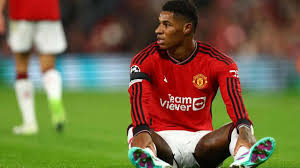
On paper, the process sounds pretty straightforward: when something controversial happens, the referee can check in with video officials who review a bunch of camera angles instantly. The point is to help with “clear and obvious” errors—not to referee the whole match all over again. But here’s the thing: the difference between “helping out” and totally stepping in isn’t always clear. Big games—title deciders, relegation battles—feel even bigger because of it. Players like Rashford? They have to hold their breath for what feels like forever, waiting as every goal gets picked apart, second by second.
Here’s something interesting. Data from BBC Sport shows that penalty calls shot up in England’s top league right after VAR arrived, changing how teams play. Fans of it Manchester know all about this—they’ve seen both the good and bad sides, with penalty decisions increasing significantly.
Marcus Rashford: VAR’s Forgotten Stat—Those Crucial Seconds
But there’s something most folks don’t talk about: these days, the average VAR check in the Premier League lasts 87 seconds. For comparison, it was 65 seconds when VAR first showed up. That’s almost a minute and a half where everyone—players, coaches, fans—just sits there, waiting to see what happens.
Why’s that a big deal? Well, momentum means everything. For an attacking player like Rashford, a 90-second break after a big run isn’t just annoying—it gives defenders time to regroup and lets coaches shout out new tactics. That short break can flip the entire game. Not surprisingly, some of Rashford’s most unforgettable moments, as covered in our the technology Delivers feature, came in matches where VAR didn’t get in the way—letting the players’ instincts take over.
Even so, despite all the stop-start drama, surveys say most fans think VAR made things fairer. The tricky part? People want calls to be right, but not if it slows the game down too much.