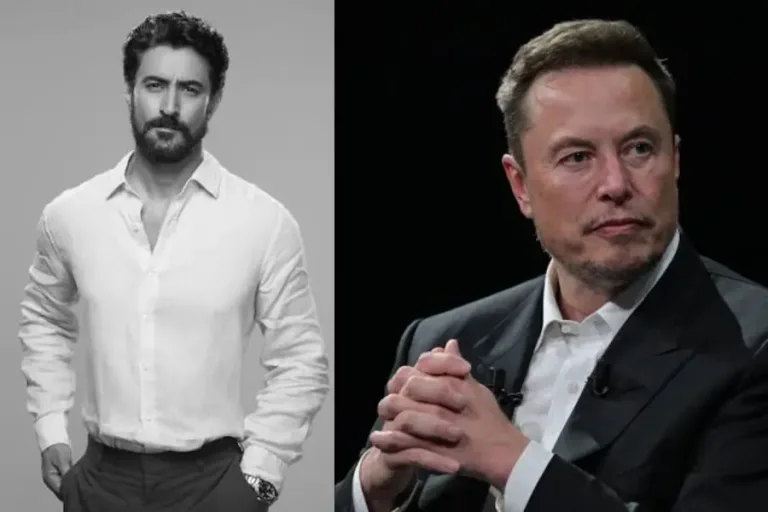
On October 10, 2026, actor Kunal Kapoor weighed in on the high-stakes debate over Starlink’s entry into India. His comments have pushed the discussion beyond routine telecom policy, toward the power dynamics shaping how Western tech giants enter emerging markets.
Starlink is a satellite internet constellation run by aerospace manufacturer SpaceX. At the heart of the dispute is how global technology leaders talk about their role—and whether they’ll meet India’s rules for entering the market.

What prompted Kunal Kapoor to criticise Musk?
The criticism centres on Starlink’s attempt to enter the Indian market and the regulatory steps involved. India’s Department of Telecommunications (DoT) and the Telecom Regulatory Authority of India (TRAI) are part of the debate, making this a policy matter—not simply a corporate announcement.
The central tension is how a powerful foreign technology company describes its role while seeking access to a national market. Kapoor’s comments have brought that discussion beyond telecom policy circles. Should the focus be on a company’s potential service, or on how it presents its presence? That question leads to the sharper disagreement over language.
What did the criticism say about Starlink’s India entry?
Reports describe his objection as a challenge to what he calls a “saviour complex” among Western technology billionaires and to the persistence of colonial attitudes. That argument shifts the focus from Starlink’s technology to the power dynamics behind how global businesses approach India.
The framing matters: public institutions, not just a company and its potential customers, are involved in the entry process. Kapoor’s criticism comments on that wider relationship, but it doesn’t establish a regulatory decision or represent DoT or TRAI. The policy process remains separate from an actor’s view of the rhetoric around it. So why does the debate resonate beyond one company?
Why does the row matter beyond one actor and one company?
For Indian audiences, the story brings celebrity commentary, international technology and domestic regulation together. Kapoor is an Indian film actor known for Bollywood productions such as Rang De Basanti, giving his criticism a cultural platform beyond specialist telecom coverage.
Musk, meanwhile, is Chief Executive Officer of Starlink and SpaceX, linking the dispute to a prominent technology figure. Still, visibility doesn’t resolve the policy questions. Authorities must consider a satellite internet service seeking entry under the relevant rules, while public criticism can influence how people view the company’s approach. The available facts don’t specify approval terms, a launch timetable or a final regulatory outcome. That leaves the authorities’ process at the centre of what comes next.
What happens next in Starlink’s India entry debate?
For now, attention remains on the regulatory discussion involving DoT and TRAI. Any change in Starlink’s position in India depends on that process; Kapoor’s comments alone don’t show whether permission has been granted or denied.
The available information gives no specific approval date or commercial launch outcome. Musk must make the company’s case and address criticism of how Western technology firms describe their role in other markets. Indian policymakers, meanwhile, must apply the relevant rules to the entry question. This isn’t simply a contest between a celebrity and a billionaire: India’s regulatory process—not either public figure—will define Starlink’s route into the market.
FAQs
What did Kapoor criticise?
He criticised Musk over Starlink’s regulatory entry into India and challenged how Western technology billionaires describe their role.
Which Indian bodies are involved?
The debate involves the Department of Telecommunications and the Telecom Regulatory Authority of India.
Has Starlink’s Indian entry been approved?
The available facts don’t establish an approval, denial or commercial launch date. Source: The Times of India kunal kapoor
Was this article helpful?
Your feedback directly improves future articles on this site.