The Kindle models losing support in 2026 include eight legacy e-reader devices, leaving long-time users wondering if their hardware is effectively becoming obsolete.
Amazon confirmed this week that these specific devices will lose access to the Kindle Store, meaning owners will no longer be able to purchase new content or sync library items directly from the device. This shift marks a significant end-of-life milestone for hardware that, in some cases, has been in active circulation for over a decade.
What’s actually happening is a forced migration toward more secure, modern encryption standards. Older devices like the original Kindle Keyboard and early touch-enabled models lack the necessary processing power and software architecture to support current security protocols. We believe this is a standard lifecycle move for Amazon, ensuring that their ecosystem remains protected against modern vulnerabilities, even if it leaves older hardware behind.
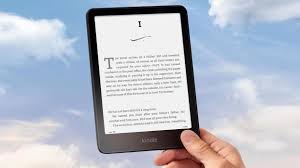
Why 8 Kindle models losing support impacts the e-reader market
The list of affected units primarily covers hardware released between 2010 and 2014, including the Kindle Keyboard (3rd Gen), Kindle Touch (4th Gen), and several early Kindle Paperwhite iterations.
While these devices will continue to function as offline readers for existing content, the loss of direct store access is a functional death knell for most casual users. If you currently own one of these legacy units, you will need to rely on manual transfers via a USB connection to a computer to add new books to your device.
| Device Model | Release Period | Support Status |
|---|---|---|
| Kindle Keyboard (3rd Gen) | 2010 | Discontinued/No Store Access |
| Kindle Touch (4th Gen) | 2011 | Discontinued/No Store Access |
| Kindle Paperwhite (1st Gen) | 2012 | Discontinued/No Store Access |
| Kindle (7th Gen) | 2014 | Limited Store Access |
Not everyone agrees with this aggressive sunsetting strategy — some enthusiasts argue that these devices still offer a superior, distraction-free reading experience compared to modern tablets. But the data suggests that maintaining support for hardware with limited memory and outdated Wi-Fi chips is unsustainable for Amazon’s server infrastructure. The real question is: does the convenience of a modern Kindle upgrade outweigh the environmental and financial cost of discarding perfectly functional plastic and e-ink displays?
Future implications for Kindle users and device longevity
This development serves as a stark reminder that digital content consumption remains tethered to the health of your hardware. As companies pivot toward more complex, AI-driven multimodal models, the baseline requirements for even simple e-readers are shifting upward. We expect that Amazon will continue to shorten the support window for older devices to ensure compatibility with new, feature-heavy library management tools.
Still, there is hope for those who refuse to part with their vintage tech. Third-party projects and enthusiasts are already exploring ways to sideload content using open-source tools, though these methods require a level of technical literacy that the average reader may not possess.
Moving forward, we anticipate a surge in trade-in programs as Amazon attempts to migrate these users to newer, more efficient hardware before the next round of software updates renders even more models legacy.
FAQs
Can I still read books on my legacy Kindle?
Yes, any books already downloaded to your device will remain accessible, and you can continue to transfer files manually via USB from a computer.
Will Amazon offer trade-in discounts for these devices?
Amazon often provides credit toward new models when you trade in older hardware, though the specific value for these legacy units will likely be minimal.
Is this a security update or a forced upgrade?
It is primarily a security update, as older devices cannot handle the current encryption standards required for the modern Kindle Store. Kindle models
Which specific Kindle models are losing support in 2026?
Amazon has confirmed that the Kindle (1st and 2nd Generation), Kindle DX, Kindle Keyboard, Kindle 4th and 5th Generation, Kindle Touch, and the Kindle Paperwhite (5th Generation) will lose access to the Kindle Store.
Can the owner of an affected Kindle still read books already downloaded to the device?
Yes, the user can continue to read any books that are already downloaded to the e-reader, as those files remain stored locally on the hardware.
Will the Kindle user be able to purchase new books directly from the device after the deadline?
No, the player will no longer be able to browse or purchase new titles directly from the Kindle Store on these specific legacy devices once support ends in 2026.
Should the owner of a legacy Kindle upgrade to a newer model to maintain access to the cloud library?
Yes, the owner should consider upgrading to a newer Kindle model to ensure seamless access to the Kindle Store, cloud synchronization, and the latest software features provided by Amazon.