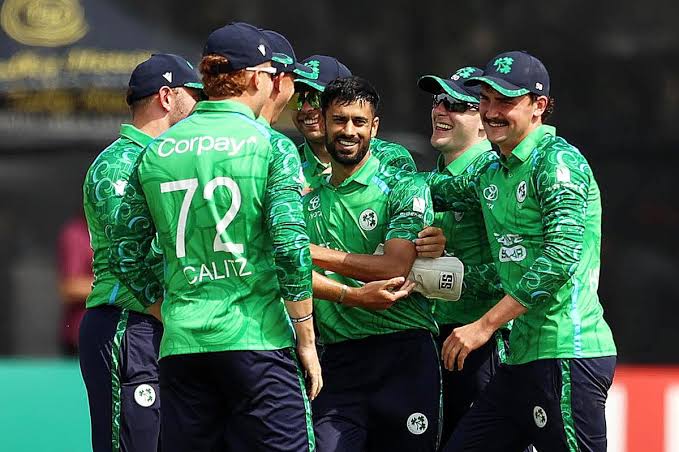
Ireland has officially found itself in the 10-team 2027 ODI World Cup Qualifier after an opening ODI washout against Afghanistan dashed their hopes for direct qualification. This situation is crucial because, with the rankings cutoff on 30 September 2026, Ireland needed a very specific outcome. They had to start with a 5-0 whitewash over Afghanistan and then rely on two West Indies defeats to India to climb out of the danger zone.
Here’s the thing: one abandoned match can change everything. For Ireland, the focus now shifts from “qualification by momentum” to “qualification by survival,” impacting their planning, squad management, and how they handle high-pressure situations on the field.
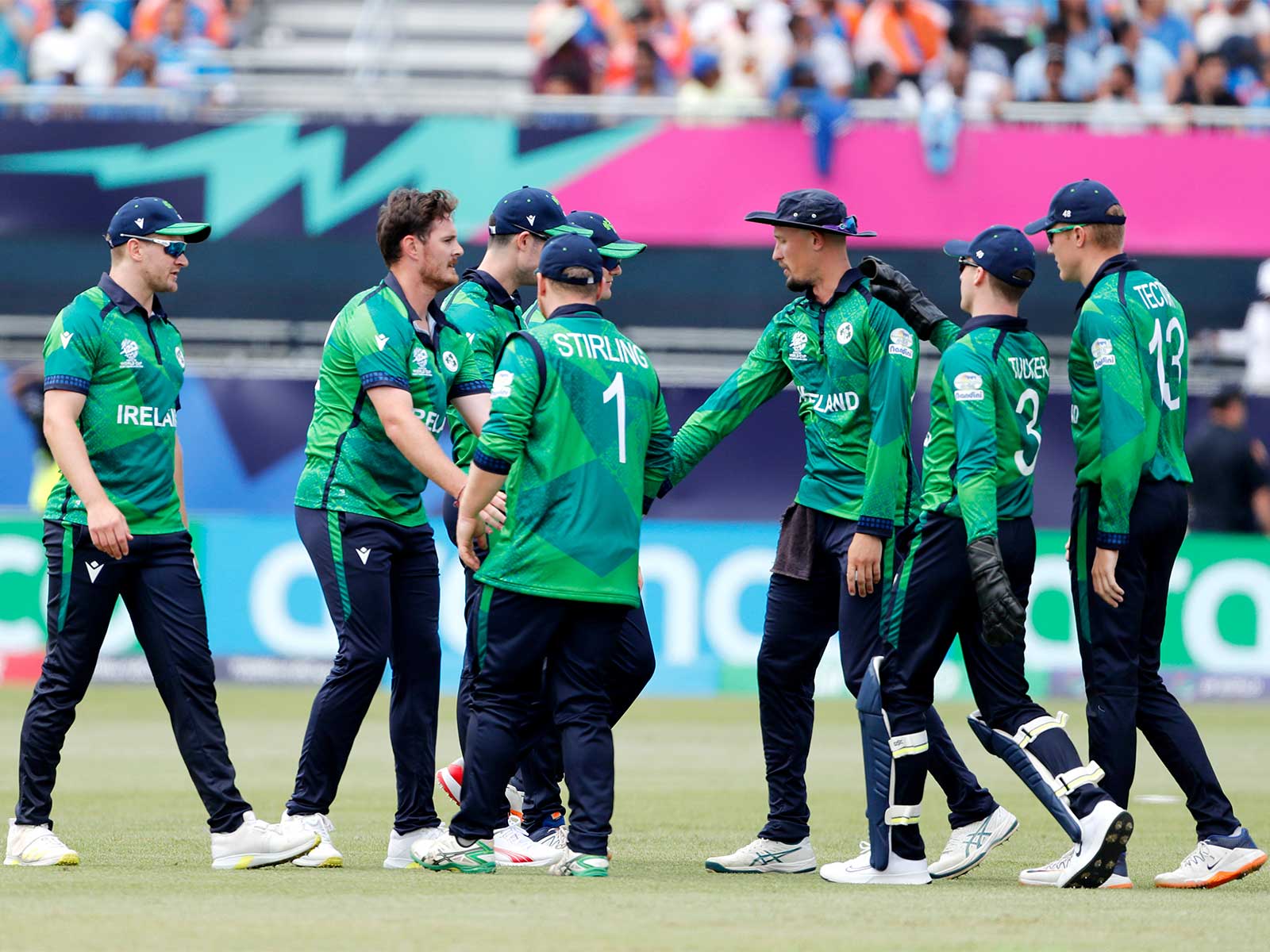
The problem: a washout at the wrong time, after a narrow rankings window closed
The washout in Ireland’s first ODI against Afghanistan at the start of the series has knocked them out of the direct qualification route to the 2027 ODI World Cup. According to ESPN, Ireland was sitting at 11th in the men’s ODI rankings, and their mission was clear: achieve a 5-0 whitewash and hope for two West Indies losses to India before the 30 September 2026 cutoff.
Think about it: the washout doesn’t just take away points. It limits Ireland’s ability to climb the rankings. Once late September arrives, there’s no chance for a “do-over” to fix the standings—just the next stage.
The root cause: Ireland needed perfection, but tournament mathematics is unforgiving
The qualifying math for Ireland was already tight. They were ranked 11th, needing total control against Afghanistan (a 5-0 whitewash) along with favorable outcomes (two West Indies defeats to India) to change their standing. This makes the washout a crucial factor: it interrupts the “control what you can” aspect of the equation.
It’s worth mentioning that Ireland’s ODI series against Afghanistan consisted of five matches—starting on 5 August 2026 (Bready), followed by 7 August 2026 (Bready), and then 10 August, 12 August, and 15 August 2026 (all at Stormont). Even with the remaining matches, the rankings cutoff structure meant their chances relied on results aligning perfectly in a narrow window. The washout removed many possible outcomes right at the start.
Trade-off 1: Push hard in remaining ODIs vs Afghanistan (control what you can), but accept ranking-route limits
Ireland can still view the Afghanistan series as a chance to refine their performance: work on batting roles, experiment with bowling combinations, and build confidence ahead of the Qualifier. However, there’s a clear downside—if the rankings pathway is already mathematically closed, the pressure to win every match could complicate workload planning.
| Option | What it achieves | Downside |
|---|---|---|
| Aggressive execution in remaining Afghanistan ODIs | Momentum, role clarity | Rankings gains may be irrelevant after cutoff math |
| Rotate and protect key players | Fresh legs for Qualifier | Less rhythm and less match-settled execution |
| Focus solely on Qualifier prep | Best long-term readiness | Risk of entering after a dip in form |
Candidate solutions: how Ireland can adapt their roadmap to Qualifier pressure
Here are three practical adjustments Ireland can make now that the 10-team 2027 ODI World Cup Qualifier is their goal. The Qualifier is set up so that the winner earns direct entry to the main 12-team World Cup stage, while the second, third, and fourth finishers advance to the Super Series—with the top team also qualifying.
Trade-off 2: Rotate for freshness, but risk losing in-match rhythm
Implementing a controlled rotation policy can help Ireland manage their intensity leading up to a tournament where every single over counts. The upside? Players stay fresh and perform better later on. The downside is that in ODI cricket, timing and bowling strategies rely on repetition. If they rotate too much, the team could lose the “settled feel” necessary for key moments during matches.
Trade-off 3: Treat the Afghanistan ODIs as tactical training for the Qualifier (specialist roles)
This approach focuses on pinpointing the specific overs and match situations Ireland will likely face in the Qualifier. By preparing for powerplay consolidation, managing middle-overs strikes, and planning specific bowling matchups, the preparation becomes more focused. However, the downside is that “training cricket” can backfire if opponents create different scenarios, leading to under-reaction from the team.
Why this matters for the next phase: a 10-team Qualifier is a different sport
The 2027 Qualifier will consist of 10 teams—including two bottom-ranked Full Members in ODI rankings, while excluding South Africa and Zimbabwe as hosts. It also includes the top four teams from CWC League 2 and the top four teams from the Qualifier Playoff. This setup makes Ireland’s path less about a single matchup and more about how well they can adapt to different playing styles.
Here’s the thing: with the rankings cutoff already set, Ireland’s success will hinge on reducing variance—having clear batting roles, maintaining disciplined bowling lengths, and strategically using pace versus spin based on conditions. Our recommendation is simple: if Ireland can establish specialist responsibilities early in the remaining Afghanistan ODIs, they should focus on tactical clarity instead of making drastic changes. Freshness matters, but building momentum through defined roles is the best way to transition from “qualifying hope” to “qualifying execution.”
FAQs
What happened to Ireland’s direct qualification for the 2027 ODI World Cup?
Ireland lost their chance for direct qualification after the opening ODI against Afghanistan ended in a washout. They couldn’t meet the rankings scenario required by the 30 September 2026 cutoff. They were ranked 11th in ODI rankings and needed a 5-0 whitewash along with favorable results involving West Indies vs India outcomes.
What exactly is the 2027 ODI World Cup Qualifier, after the cutoff?
It’s a 10-team tournament where the winner secures direct entry to the main 12-team World Cup stage. Teams finishing second, third, and fourth head to the Super Series, where the top team also qualifies for the World Cup.
Where does the Afghanistan ODI series fit in for Ireland?
Ireland’s Afghanistan series is set to run across five ODIs from 5 August 2026 to 15 August 2026, with matches at Bready (5 and 7 August) and Stormont (10, 12, 15 August). Even though direct qualification is now off the table, the series still plays a key role in shaping Ireland’s form and tactical readiness ahead of the Qualifier.
Source: Crictracker