On May 28, 2026, industry analysts started speculating about a big shift in how we interact with devices thanks to rumored Siri features in iOS 27. Apple hasn’t officially confirmed these updates yet.
Siri first made its debut on October 4, 2011, alongside the iPhone 4S. Since then, Apple has faced challenges keeping up with the swift advancements in generative AI. Current buzz suggests that iOS 27 could bring the biggest transformation to Siri since it launched.
But as of now, Apple hasn’t revealed the official release date, pricing, or complete specs for Siri. The company is still keeping things under wraps, as is typical for Cupertino.
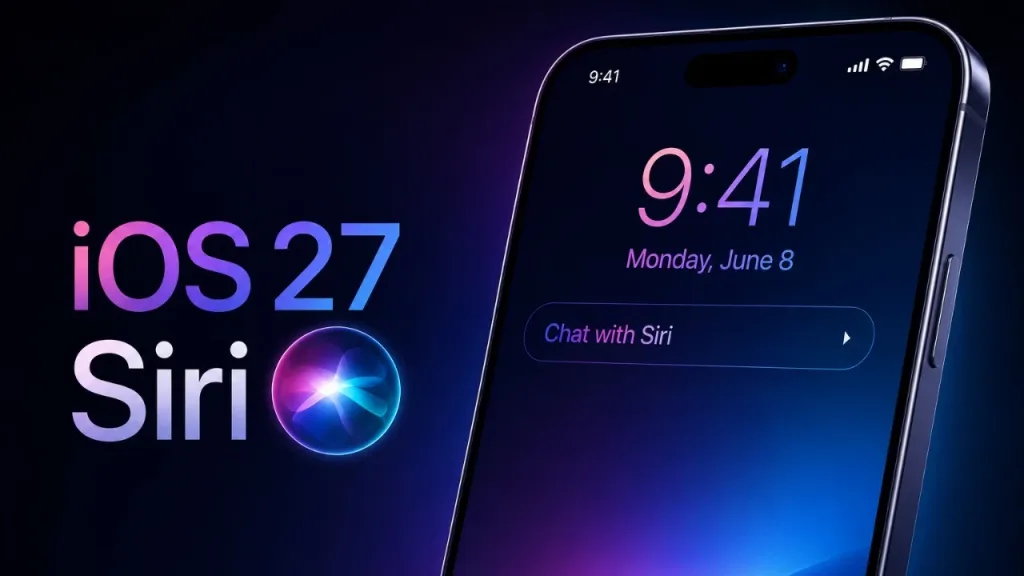
The Hardware Foundation and Speculative Capabilities
Apple Silicon’s Neural Engine, which debuted in the A11 Bionic chip back in 2017, plays a crucial role in supporting the on-device AI processing that’s essential for any meaningful Siri upgrade. While users hope for a more capable assistant, Apple hasn’t confirmed the specific RAM, processor setups, or on-device model parameters for the Siri experience in iOS 27, according to recent reports from OpenAI Blog.
The real question is whether the existing hardware can handle the complex multimodal tasks we expect from a modern AI agent.
Apple seems to be on a tough road ahead. While competitors have jumped into cloud-based models, Apple’s focus on privacy often means they rely more on on-device computing.
If the company plans to evolve beyond mere command execution and into true agent-like behavior, it will need to close the gap between local processing power and the expansive capabilities of LLMs.
Performance Metrics and Market Reality
Any benchmark scores, feature lists, or performance metrics for iOS 27 Siri circulating before an official Apple announcement should be viewed skeptically. Early rumors often mix up developer-level testing with the software intended for consumers.
Apple Intelligence, a branding launched for AI features at WWDC 2024 with iOS 18, set a high integration standard that Apple is likely aiming to exceed.
| Feature | Status as of May 2026 |
|---|---|
| Official Announcement | Unconfirmed |
| On-Device LLM Support | Rumoured |
| Neural Engine Integration | Confirmed Hardware Baseline |
| Pricing | Unverified |
The real focus here isn’t just about a better voice assistant but how Apple intends to weave this Intelligence throughout its ecosystem. Whether it involves navigating complex Global Governance Framework compliance or managing everyday tasks, Apple has a lot at stake. We’re skeptical about leaks until the spotlight hits the keynote stage.
The industry is eager for a genuine breakthrough, but history shows that Apple tends to favor stability over hasty, rough releases. We anticipate that the upcoming developer conference will give us the first solid indication of whether these rumors are credible or if we’re looking at yet another incremental update in the ongoing story of Siri’s evolution, as noted in recent coverage by VentureBeat AI.
FAQs
When will Apple announce the new features for Siri?
Apple usually holds its Worldwide Developers Conference (WWDC) in June, making it the most likely venue for any major announcements about iOS 27.
Is the hardware in my current iPhone enough for new AI features?
Even though the Neural Engine has been part of Apple Silicon since 2017, Apple often reserves its most advanced AI features for the latest chipset generations to ensure top performance and privacy.
Should I trust leaked benchmark scores for upcoming software?
No. Any performance metrics shared before an official release should be taken with a grain of salt, as they often stem from unstable, early-stage software builds.
When will Apple officially release iOS 27?
Apple hasn’t announced an official release date for iOS 27, but industry analysts expect a public launch in September 2026, following the usual unveiling at WWDC that summer.
Will the revamped Siri require specific hardware to function on iOS 27?
The revamped Siri will likely need advanced Neural Engine capabilities found in the latest Apple Silicon chips. This means older iPhone models might not have the processing power necessary to support the full range of new AI features.