

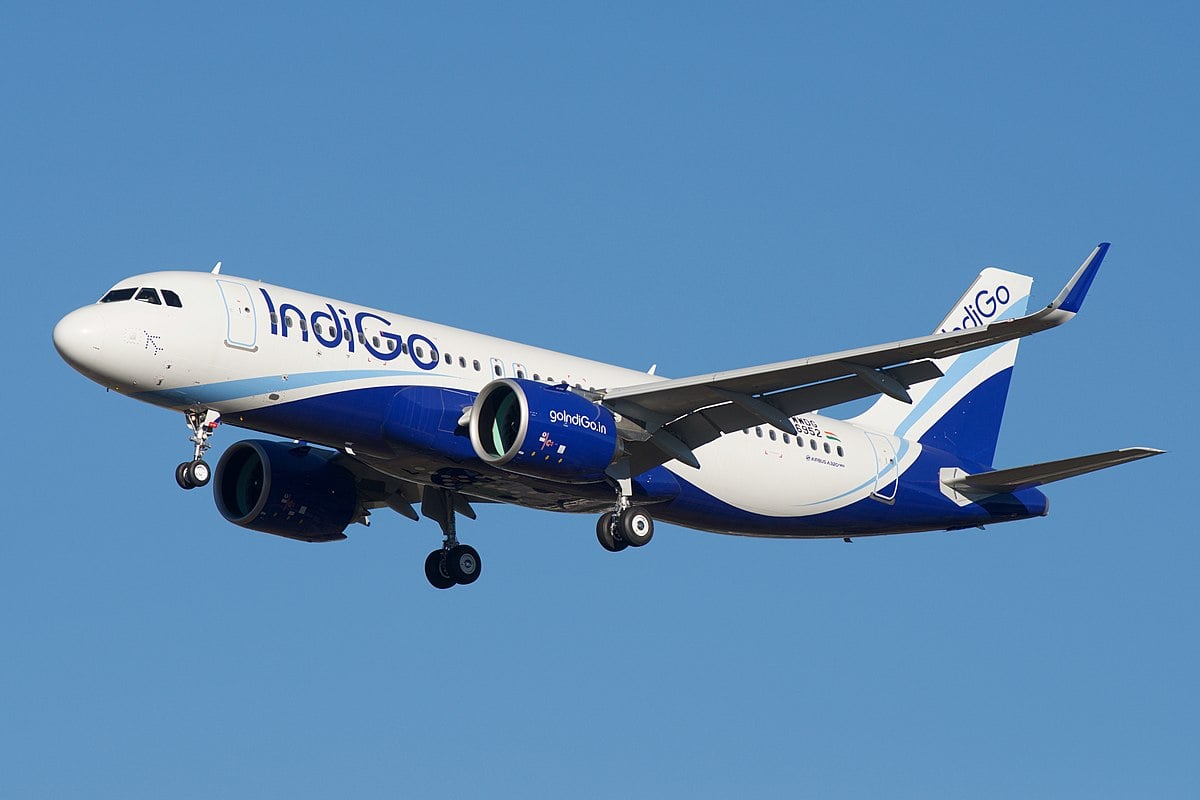
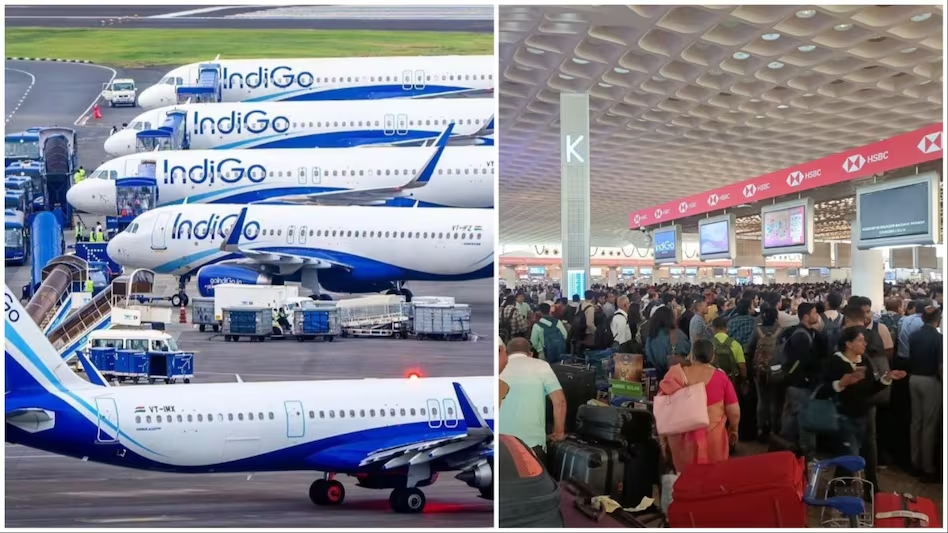
India’s largest airline, IndiGo, has been engulfed in a severe operational crisis, witnessing an unprecedented number of flight cancellations and delays that have disrupted air travel for thousands of passengers across the country. The disruption, spanning multiple days, has led to scenes of chaos and frustration at major metropolitan airports and prompted a swift intervention by the Directorate General of Civil Aviation (DGCA).
Table of Contents
The Core Reason: New Flight Duty Time Limitations (FDTL)
The principal factor behind the ongoing service meltdown is the airline’s struggle to adjust its crew rostering to comply with stricter new government safety regulations, known as the Flight Duty Time Limitations (FDTL) rules.
These revised norms, mandated by the DGCA and designed to combat pilot and cabin crew fatigue, came into effect in a major phase on November 1, 2025.
Key Changes Under the New FDTL Rules:
- The mandatory weekly rest period for flight crew has been significantly extended to 48 consecutive hours, up from the previous 36 hours.
- Stricter limits have been placed on night operations, including a sharp reduction in the number of night-time landings a pilot can perform.
- Daily flight duty time has been capped, which directly strains the manpower needed for IndiGo’s high-frequency, high-utilisation operating model.
IndiGo acknowledged that the widespread disruptions stemmed from “misjudgment and planning gaps” in implementing the new norms, which resulted in a massive spike in hundreds of daily flight cancellations.
Scale of the Disruption and Compounding Factors
The sheer scale of the disruption has been staggering for the airline, which once prided itself on its “IndiGo Standard Time” punctuality. On certain days, the number of cancelled flights surged to over 300, and daily cancellations hovered between 170 and 200 during the peak of the crisis.
Government data also indicated a sharp decline in the airline’s operational efficiency, with its on-time performance plummeting to as low as 35% on one particularly difficult day.
Beyond the primary crew shortage issue, the following factors also contributed to the operational chaos:
- Winter Operational Constraints: Seasonal schedule adjustments and the onset of adverse weather conditions, like fog, exacerbated the strain.
- Technology Glitches: Minor technology failures at key airports further compounded the delays, creating a cascading, domino effect across the network.
- Airport Congestion: Increased air traffic and congestion at major metro airports added pressure, making recovery efforts more difficult.

Regulatory Intervention and Airline’s Plan
The Directorate General of Civil Aviation (DGCA) and the Civil Aviation Ministry launched an intensive review, demanding that IndiGo submit a detailed recovery plan.
The regulator has directed the airline to:
- Submit a comprehensive roadmap linking projected crew recruitment with its planned aircraft induction.
- Provide fortnightly progress reports detailing improvements in operations and roster stability.
- Increase ground staff manpower to better manage affected passengers at terminals.
In its communication with the DGCA, IndiGo assured authorities that while more cancellations would continue for a few days as part of schedule stabilization, normal and stable operations are expected to be fully restored by February 10, 2026. To mitigate further disruption, the airline stated it would proactively reduce its flight operations starting December 8.
Passenger Rights: What Affected Travellers Need to Know
Thousands of travelers have been left stranded, often receiving short notice about their flight changes. The airline has stated that affected customers are being offered alternate travel arrangements or refunds.
Under DGCA regulations, passengers impacted by significant delays or cancellations are entitled to specific compensation and recourse:
- Full Refund or Re-booking: Passengers whose flights are delayed by more than two hours or cancelled are entitled to a full refund or re-booking onto an alternative flight at no additional cost, subject to availability.
- Monetary Compensation: For cancellations or delays exceeding three hours, and if the passenger was informed of the cancellation less than 14 days before departure, they may be entitled to monetary compensation as per DGCA rules. This compensation on domestic routes ranges from ₹5,000 to ₹20,000, depending on the delay duration and distance, in addition to a full refund or re-routing.
- Assistance: Depending on the waiting time, passengers should also be offered complimentary meals and refreshments.
Passengers are advised to keep all receipts for any alternate accommodation or transportation purchased and to verify their eligibility for compensation by citing the DGCA’s Civil Aviation Requirement, Section – 3, Series M Part IV.