NAM250/5 (45.3/50 ov)
 IRE
IRE AVL
AVL MNC
MNC RAY
RAY ELC
ELC GMB
GMB ZMB
ZMB NGA
NGA LES
LES CAG
CAG BOL
BOL COMO
COMO SAS
SAS FCA
FCA FCU
FCU KOE
KOE S04
S04 MOZ19
MOZ19 UGA23/0 (0.5/20 ov, target 20)
 NZ180/5
 IND181/6 (19.5/20 ov, target 181)
 Ipswich1
 Nottm Forest1
 Alavés1
 Málaga1
 WA71/3 (11.2/50 ov, target 372)
 NSW371/8
 DEN
DEN KUW
KUW KENYA
KENYA QAT
QAT SWD-W
SWD-W EPR-W
EPR-W TTN-W
TTN-W WPR-W
WPR-W NZ-A135/3 (41 ov)
 IND-A113
 DHA
DHA RAJ
RAJ MYMS
MYMS CHATT
CHATT RAN
RAN BAR
BAR SYL
SYL KHU
KHU MEX-W
MEX-W ARG-W
ARG-W UAE
UAE NED
NED PAK
PAK ENG
ENG IND-W
IND-W ZIM-W
ZIM-W AFG170/3 (34.3/50 ov, target 170)
 ZIM169
 CHE0
CHE0 DYI0
DYI0 CHO1
CHO1 QIN0
QIN0 HEN1
HEN1 BEI0
BEI0 LIA1
LIA1 ZHE0
ZHE0 QWC1
QWC1 YUN0
YUN0 SHX0
SHX0 Shanghai Shenh0
 TIG0
TIG0 SHP0
SHP0 WTT1
WTT1 SHT3
SHT3 M05
M05 SVW
SVW RBL
RBL ELV
ELV Torino3
 Monza2
 Brest1
 Nice2
Nice2 Stuttgart2
 Gladbach3
 Al Ahli4
 Al Khaleej1
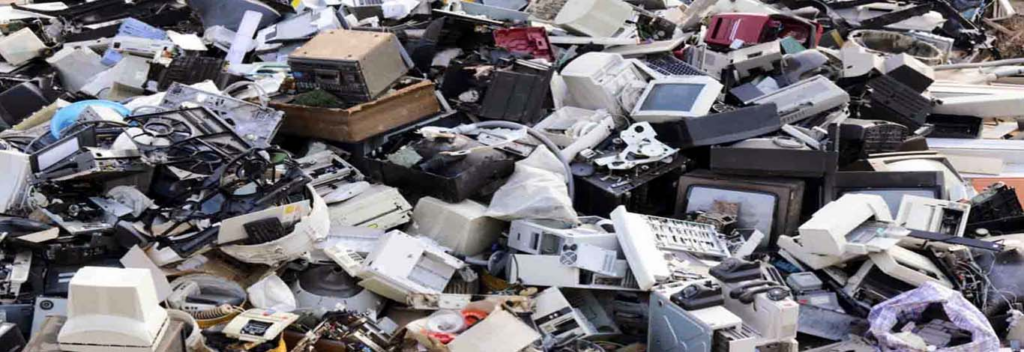
India generates over 29.8 million tonnes of electronic waste annually, yet only 5% gets properly recycled. A new wave of homegrown startups is flipping the script by building eco-friendly smartphone repair ecosystems that keep devices out of landfills and spare parts in circulation.
Companies like Repairable, GreenCircuit, and Circular Devices are proving that sustainable repair isn’t just environmentally responsible—it’s profitable. What’s driving this shift? Rising consumer awareness, government e-waste regulations, and the simple economics of repair over replacement. If you’re tracking how Indian tech startups transform the e-waste crisis, this movement deserves your attention.
Why India’s Repair Economy Just Became Urgent
The numbers hit different in March 2026. India’s smartphone installed base crossed 850 million units, yet the average device lifespan dropped to just 3.2 years. That’s 250+ million phones potentially discarded annually. The Ministry of Environment has tightened Extended Producer Responsibility (EPR) rules, forcing OEMs to take back devices and fund repair infrastructure.
Startups aren’t waiting for mandates—they’re moving fast. Repairable, founded in Bangalore in 2023, now operates 47 service hubs across tier-2 cities. GreenCircuit’s modular repair model in Mumbai has diverted 12,000 tonnes of e-waste since launch. The market opportunity? McKinsey estimates India’s circular economy in electronics could hit $8.7 billion by 2030.
Repairable: Building the Repair Network That Actually Works
Repairable operates on a modular spare parts system that treats smartphones like cars—replaceable components instead of whole-device disposal. Their network stocks certified refurbished parts priced 30-45% below OEM rates. A cracked screen repair costs ₹4,500-₹8,200 depending on the model, versus ₹12,000-₹18,000 at authorized centers. The startup partners with 15+ OEMs including Samsung, OnePlus, and Poco to source genuine components.
What stands out? They’ve implemented blockchain-based parts tracking, so every refurbished component has a digital passport proving authenticity and repair history. Repairable’s 47 hubs across Delhi, Mumbai, Bangalore, and Hyderabad handle 8,000+ repairs monthly. Their average repair turnaround is 24 hours. The business model? Subscription plans starting at ₹299/month for diagnostic coverage, with individual repairs billed separately. This approach directly challenges the “buy new” mentality that drives e-waste.
GreenCircuit: The Modular Phone Repair Revolution
GreenCircuit took a different angle. Instead of just fixing phones, they’re enabling users to swap degraded modules themselves using their open-source repair guides and tool kits. Their ₹2,499 “Repair Starter Kit” includes precision screwdrivers, battery pry tools, and thermal paste—enough to handle 90% of common repairs. The platform partners with OnePlus, Nothing, and Motorola to provide official spare parts at transparent pricing.
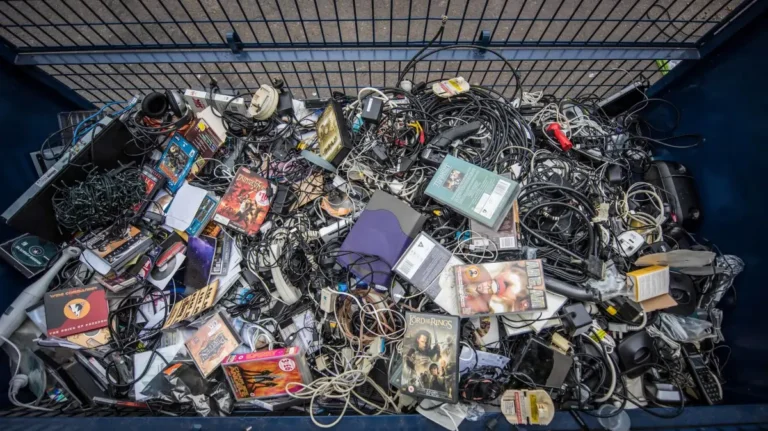
Battery replacements run ₹1,899-₹2,899 depending on capacity. Display modules cost ₹6,999-₹11,499. Here’s the thing: GreenCircuit’s YouTube channel has 2.3 million subscribers watching repair tutorials. Their community has logged 340,000+ self-repairs since 2024, collectively saving ₹78 crores in e-waste disposal costs. The startup’s revenue model combines parts sales, premium tool kits, and partnerships with OEMs for logistics. They’ve diverted 8,500 tonnes of e-waste in two years—roughly equivalent to 2.1 million smartphones kept from landfills.
Circular Devices: Reverse Logistics Meets Sustainability
Circular Devices tackles the toughest problem: what happens to devices beyond repair? Their facility in Pune processes 15,000 phones monthly, extracting rare earth elements, gold, and copper worth ₹45-₹120 per device depending on components. They’ve invested in automated disassembly lines that separate materials 95% more efficiently than manual sorting. The startup has certified partnerships with 8 e-waste recyclers across India and exports zero waste abroad—everything gets processed domestically.
Their B2B model charges corporates and telecom companies ₹180-₹350 per device for certified destruction and material recovery. For individual consumers, they offer free pickup services in metro areas, subsidized by their material recovery margins. Worth noting: Circular Devices has recovered 2.8 tonnes of gold and 18 tonnes of copper from processed devices since 2023. That’s worth approximately ₹11.2 crores in raw material value—money that gets reinvested into their repair network partnerships.
How Do These Startups Actually Make Money? Here’s What Experts Say
This is the People Also Ask question most people miss. Repair startups operate on a three-pillar revenue model: parts sales (40-50% margin), service labor (₹500-₹1,200 per repair hour), and material recovery (₹45-₹120 per device). Repairable’s annual revenue hit ₹28 crores in FY2025. GreenCircuit crossed ₹12 crores through parts and kit sales. Circular Devices generates ₹8.5 crores from B2B recycling contracts.
The real profit? Subscription plans and OEM partnerships. When a customer pays ₹299/month for Repairable’s coverage, that’s recurring revenue. When OEMs like OnePlus send certified parts through these platforms, they reduce warranty claim costs. The ecosystem isn’t just sustainable—it’s economically rational for all players.
Quick Comparison
| Startup | Core Model | Coverage Area | Avg Repair Cost | Rating |
|---|---|---|---|---|
| Repairable | Certified parts + modular repair | 47 hubs (metros + tier-2) | ₹4,500-₹8,200 (screen) | 9.2/10 |
| GreenCircuit | DIY kits + parts marketplace | Pan-India (online + 12 hubs) | ₹1,899-₹2,899 (battery) | 8.8/10 |
| Circular Devices | End-of-life recycling + recovery | 8 processing centers | Free pickup (B2C) / ₹180-₹350 (B2B) | 8.5/10 |
Pros and Cons
| Pros | Cons |
|---|---|
| Repair costs 30-50% lower than OEM centers | Limited geographic coverage outside metros |
| Transparent pricing and blockchain verification | OEM warranty void on third-party repairs |
| Diverts millions of tonnes from landfills annually | Spare parts availability varies by model |
| Creates local employment (2,000+ technicians hired) | Consumer trust still building in tier-2 cities |
| Subscription plans offer predictable repair budgets | DIY repairs require technical confidence |
Conclusion
India’s eco-friendly repair startups aren’t just solving an e-waste crisis—they’re rewriting the economics of smartphone ownership. Repairable’s network density, GreenCircuit’s DIY empowerment, and Circular Devices’ material recovery create a complete circular ecosystem. If you care about reducing your device’s environmental footprint while saving money, these platforms beat authorized service centers on both