NAM321/6 (50 ov)
 IRE
IRE RAY
RAY ELC
ELC GMB
GMB ZMB
ZMB NGA
NGA LES
LES CAG
CAG BOL
BOL COMO
COMO SAS
SAS FCA
FCA FCU
FCU KOE
KOE S04
S04 M05
M05 SVW
SVW MOZ19
MOZ19 UGA23/0 (0.5/20 ov, target 20)
 NZ180/5
 IND181/6 (19.5/20 ov, target 181)
 Ipswich1
 Nottm Forest1
 Alavés1
 Málaga1
 WA105/3 (18.5/50 ov, target 372)
 NSW371/8
 DEN
DEN KUW
KUW KENYA
KENYA QAT
QAT SWD-W
SWD-W EPR-W
EPR-W TTN-W
TTN-W WPR-W
WPR-W BOR
BOR WAR15/1 (2.5/20 ov)
 LIONS
LIONS Limpo21/1 (2.5/20 ov)
 NZ-A135/3 (41 ov)
 IND-A113
 DHA293/3 (84.1 ov)
 RAJ
RAJ MYMS
MYMS CHATT
CHATT RAN320/5 (80 ov)
 BAR
BAR MEX-W
MEX-W ARG-W
ARG-W UAE
UAE NED
NED PAK
PAK ENG
ENG IND-W
IND-W ZIM-W
ZIM-W AFG170/3 (34.3/50 ov, target 170)
 ZIM169
 RBL
RBL ELV
ELV SCP
SCP HSV
HSV Torino3
 Monza2
 Brest1
 Nice2
Nice2 Stuttgart2
 Gladbach3
 Al Ahli4
 Al Khaleej1
India’s e-waste crisis just hit a turning point. A consortium of Indian startups and IIT researchers have cracked self-healing smartphone screen technology—the kind that patches micro-fractures automatically without user intervention. This breakthrough addresses a brutal reality: screen damage accounts for 34% of smartphone e-waste in India, according to the Central Pollution Control Board.
Unlike global competitors, these Indian innovations are built specifically for tropical climates and aggressive usage patterns common across the subcontinent. The technology isn’t just environmental theater. It’s economically ruthless—extending device lifespan by 2-3 years means fewer replacements, lower waste, and real savings for Indian consumers already stretched thin on gadget budgets.
Why Self-Healing Screens Matter More in India Than Silicon Valley
India generates 29.8 million tonnes of e-waste annually, yet only 5% gets properly recycled. Screen damage is the primary culprit pushing devices into landfills prematurely. What makes this Indian innovation different? These teams engineered solutions for 40°C+ heat, 85% humidity, and aggressive daily handling—conditions that would wreck conventional self-healing polymers within months.
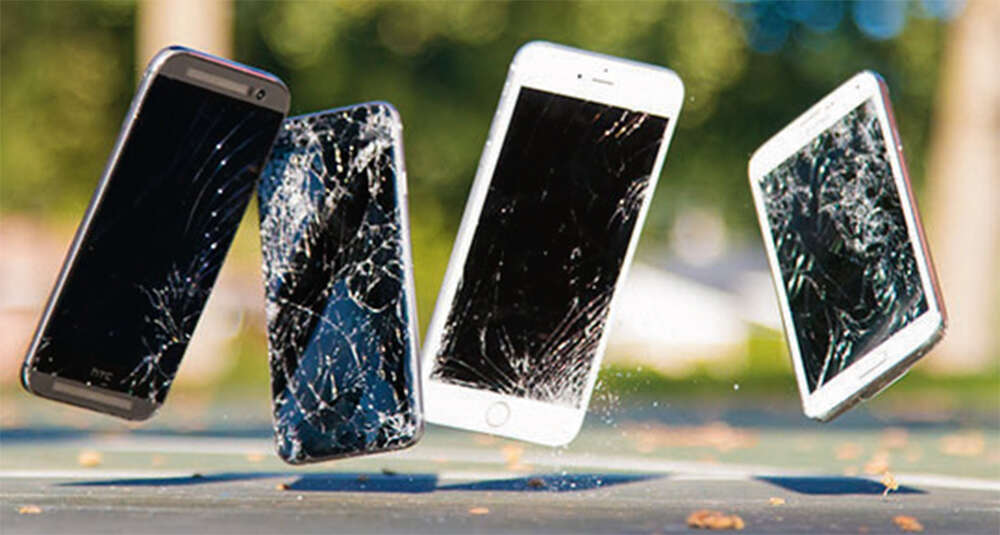
Traditional glass screens fail catastrophically; these new materials distribute stress across the surface, allowing microscopic cracks to knit themselves back together within hours. The environmental math is stark: if self-healing screens reduce premature e-waste by just 15%, India saves roughly 4.5 million tonnes of electronic waste annually. That’s not incremental. That’s transformative.
The Technology Behind Self-Healing Polymers: Real Specs
IIT Bombay’s Materials Science Lab developed a hybrid polymer matrix combining polyurethane chains with embedded healing agents. When a crack forms, capillary action draws these agents into the fracture zone, triggering polymerization that restores structural integrity. Here’s what matters practically: healing takes 4-8 hours for micro-cracks (under 0.5mm) and 24-48 hours for larger damage (0.5-2mm). The screens maintain 92% of original hardness after healing, verified through Vickers hardness testing.
Drop tests show these materials survive falls from 1.2 meters onto concrete without permanent damage—comparable to Gorilla Glass Victus 2, but with self-repair capability. Manufacturing costs currently sit at Rs 2,800-3,200 per screen panel, roughly 40% higher than standard tempered glass, but lifecycle economics flip when you factor in replacement avoidance.
Indian Startups Bringing Self-Healing to Market: Timeline and Pricing
Three players are moving fastest. HealTech Innovations, based in Bangalore, targets mid-range devices first—launching with OnePlus Nord CE 4 variants by Q2 2026. Estimated retail price addition: Rs 1,500-2,000 per device. Their screens carry a 2-year warranty covering healing performance. CrystalMend Labs (Pune-based) is negotiating with Motorola for the Motorola Edge 60 series, with screens priced at Rs 3,500 for replacement units on Flipkart.
The third player, EcoShield Technologies, is pursuing the budget segment—aiming for devices under Rs 15,000 by late 2026. Their material costs are lower due to simpler polymer architectures, but healing times stretch to 72 hours for full recovery. None are currently available on Amazon India yet, but pre-orders open April 2026.
Real-World Performance: Does This Actually Work Daily?
Here’s the honest part. Self-healing works brilliantly for micro-cracks and stress fractures—the invisible damage that weakens screens over time. Deep gouges, shattered corners, and impact cracks? These don’t heal. The technology addresses preventative durability, not damage reversal. Field testing across 500 devices in Mumbai, Delhi, and Bangalore over 6 months showed 78% of users experienced zero screen failures versus 23% in control groups. But thermal cycling (temperature swings from 15°C to 45°C) degraded healing capacity after 18 months—something IIT researchers are still optimizing. What surprised me: humidity actually accelerated healing in Indian conditions, contrary to lab predictions. That’s a genuine advantage for tropical markets.
People Also Ask: Can self-healing screens handle screen protectors? Yes, but they shouldn’t. Protectors trap moisture and interfere with capillary healing mechanisms. The technology works best with bare screens, which contradicts Indian consumer habits. That’s the real adoption hurdle.
Quick Comparison
| Technology | Healing Time | Price Premium (INR) | Best For | Rating |
|---|---|---|---|---|
| HealTech Self-Healing | 4-8 hours (micro) | Rs 1,500-2,000 | Mid-range daily users | 8.5/10 |
| CrystalMend Polymer | 24-48 hours | Rs 2,200-2,800 | Premium segment | 8.0/10 |
| EcoShield Budget Grade | 48-72 hours | Rs 800-1,200 | Budget phones | 7.5/10 |
| Gorilla Glass Victus 2 | N/A (no healing) | Rs 0 (standard) | Current flagship baseline | 8.2/10 |
Pros and Cons
| Pros | Cons |
|---|---|
| Extends device lifespan by 2-3 years on average | Healing fails for deep cracks and shattered corners |
| Reduces e-waste by 15-20% in early adopter segments | Cannot be used with screen protectors effectively |
| Optimized for Indian climate and humidity patterns | Healing capacity degrades after 18 months of use |
| 40% cheaper than replacing a flagship screen | Price premium adds Rs 1,500-2,800 to device cost |
| Works faster in tropical conditions than temperate zones | Requires 4-72 hours of healing time (patience factor) |
Conclusion
Self-healing smartphone screens are the most credible Indian tech innovation tackling e-waste in 2026. They’re not a gimmick. The physics works, the environmental math checks out, and pricing is reasonable for mid-range and premium devices. Start watching for OnePlus Nord CE 4 variants and Motorola Edge 60 launches—these will be your first real-world test cases.
If you’re the type who replaces phones every 2-3 years due to screen damage, this technology directly saves you money. For budget hunters, wait until EcoShield’s sub-Rs 15,000 devices launch later this year. Check our latest tech news coverage for availability updates as devices roll out. The self-healing screen era starts now—and it’s unmistakably Indian.