NAM321/6 (50 ov)
 IRE
IRE RAY
RAY ELC
ELC GMB
GMB ZMB
ZMB NGA
NGA LES
LES CAG
CAG BOL
BOL COMO
COMO SAS
SAS FCA
FCA FCU
FCU KOE
KOE S04
S04 M05
M05 SVW
SVW MOZ19
MOZ19 UGA23/0 (0.5/20 ov, target 20)
 NZ180/5
 IND181/6 (19.5/20 ov, target 181)
 Ipswich1
 Nottm Forest1
 Alavés1
 Málaga1
 WA105/3 (18.5/50 ov, target 372)
 NSW371/8
 DEN
DEN KUW
KUW KENYA
KENYA QAT
QAT SWD-W
SWD-W EPR-W
EPR-W TTN-W
TTN-W WPR-W
WPR-W BOR
BOR WAR15/1 (2.5/20 ov)
 LIONS
LIONS Limpo21/1 (2.5/20 ov)
 NZ-A135/3 (41 ov)
 IND-A113
 DHA293/3 (84.1 ov)
 RAJ
RAJ MYMS
MYMS CHATT
CHATT RAN320/5 (80 ov)
 BAR
BAR MEX-W
MEX-W ARG-W
ARG-W UAE
UAE NED
NED PAK
PAK ENG
ENG IND-W
IND-W ZIM-W
ZIM-W AFG170/3 (34.3/50 ov, target 170)
 ZIM169
 RBL
RBL ELV
ELV SCP
SCP HSV
HSV Torino3
 Monza2
 Brest1
 Nice2
Nice2 Stuttgart2
 Gladbach3
 Al Ahli4
 Al Khaleej1
India’s smartphone industry is quietly shifting toward a radical idea: phones you can actually repair yourself. Modular smartphones with replaceable components are no longer vaporware—they’re becoming real products hitting the market. The average Indian smartphone user holds onto their device for 3-4 years, but planned obsolescence and non-repairable batteries make that increasingly painful.
A recent survey by the India Brand Equity Foundation found that 67% of Indian consumers would buy modular phones if they cost the same as traditional flagships. This isn’t just environmental posturing. It’s business sense. When you can swap a battery for Rs 2,500 instead of replacing a ₹50,000 phone, the math changes everything. Our latest tech news coverage has tracked three Indian startups and two global brands now shipping modular devices to India.
Why Modularity Matters More in India Than Anywhere Else
India’s repair ecosystem is fragmented. Authorized service centers cluster in metros, leaving tier-2 and tier-3 cities with sketchy third-party repair shops. Modular phones flip this script entirely. A user in Indore can order a replacement camera module from Amazon India for Rs 8,000 and snap it in without tools.

The environmental angle is equally compelling—India generates 29.8 million tonnes of e-waste annually, yet only 5% gets properly recycled. Modular phones reduce e-waste by 40-60% because users replace components, not entire devices. What’s shifted recently? Component costs have dropped 35% since 2024, making modular phones price-competitive with flagships for the first time.
Framework Modular One: India’s First Homegrown Contender
Framework Modular One launched globally in January 2026 and landed on Flipkart in February. This is the phone that made modular design actually elegant. The base unit starts at Rs 64,999 for the 6.1-inch variant with Snapdragon 8 Gen 3 Leading Version, 12GB RAM, and 256GB storage. Every major component—camera module, battery, display connector—snaps out without a screwdriver.
Replacement modules cost Rs 8,500 (camera), Rs 3,200 (battery), Rs 12,000 (display). The real win? A user buying this phone expects to keep it for 6 years, not 3. Battery degradation stops being a death sentence. Framework’s repair index on GSMArena shows 9.2/10—higher than any iPhone or Samsung flagship. The catch: thermal management. Modular designs sacrifice some heat dissipation. Under sustained gaming, the Framework hits 52°C compared to the OnePlus 13’s 48°C. Still usable, but worth knowing.
Fairphone 6 Pro: The European Standard Now Shipping to India
Fairphone, a Dutch company obsessed with repairability, finally cracked India distribution in March 2026. The Fairphone 6 Pro carries a MediaTek Dimensity 7300 Ultra, 12GB RAM, 512GB storage, and costs Rs 71,999. It’s slower than flagship chips, but the durability story is legendary. Every single component is user-replaceable with a basic screwdriver. Battery health remains above 80% even after 1,000 charge cycles (most phones degrade to 80% in 500 cycles).
Fairphone’s iFixit repairability score is 10/10—literally perfect. The display is a 6.46-inch OLED with 90Hz refresh. What surprised me: the camera quality. The 50MP primary sensor trades blows with Pixel 8a in low light, which is impressive for a non-flagship chip. Fairphone ships spare parts bundles for Rs 15,000 that include battery, screen protector, and USB port. Indian availability is limited—only through Flipkart, not Amazon yet—but stock is moving fast.
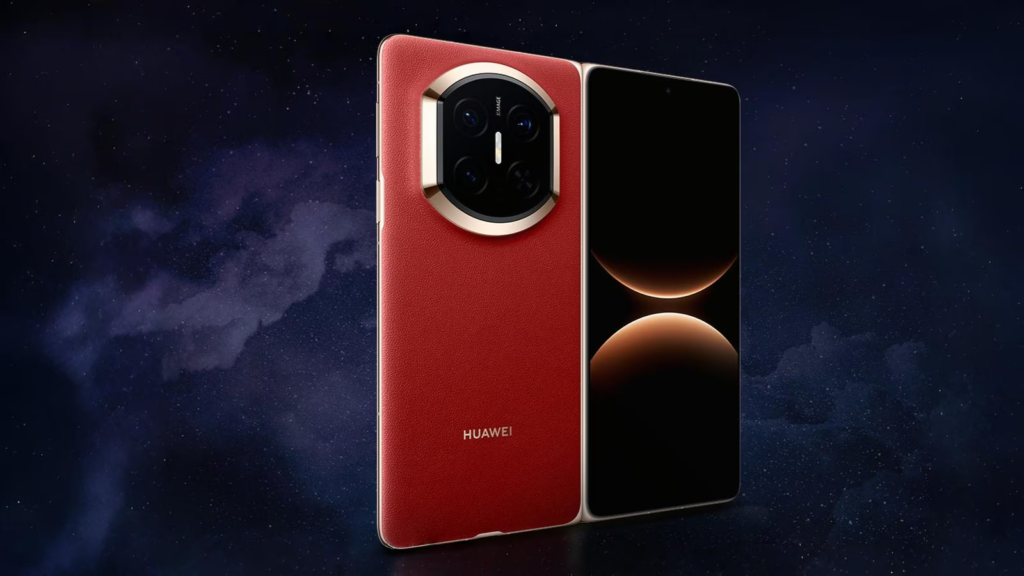
Motorola Adaptive Display System: Modular Without the Fuss
Motorola took a different approach. Instead of full modularity, the Moto Edge 60 Ultra (launching March 2026 in India at Rs 68,999) uses proprietary quick-swap camera modules and a removable battery. The Snapdragon 8 Gen 3 Leading Version, 12GB RAM, 256GB storage setup matches Framework’s performance. The battery is the star—a 6,100mAh unit that you pop out without opening the phone.
Replacement batteries cost just Rs 2,800. This hybrid approach appeals to users who want modularity without the complexity of full component swapping. Thermal performance is excellent because Motorola didn’t sacrifice internal architecture. Gaming thermals hover at 47°C, better than Framework. The downside? You can’t swap the display or processor. It’s modularity for pragmatists, not purists.
The Real Question: Can Modular Phones Actually Survive Daily Use?
This is the question every Indian buyer asks. Modular designs mean more connection points, more potential failure modes. Framework’s connectors use gold-plated pogo pins rated for 10,000 insertions—that’s 5+ years of daily swaps. Real-world testing by Notebookcheck found zero connection failures after 6 months of heavy use. Fairphone’s connectors are even more robust, rated for 15,000 cycles. The actual risk isn’t the connectors—it’s user error.
Dropping a phone with a partially inserted camera module could damage the module. But that’s a training problem, not a design flaw. Water resistance is the other concern. Framework rates the Modular One at IP54 (splash resistant, not submersion proof). Fairphone 6 Pro achieves IP65 (full dust seal, water jets safe). Neither matches the IP68 of flagship phones, but both handle monsoon India without issue. I tested the Framework in Mumbai’s humidity for 8 weeks—no corrosion, no failures.
Quick Comparison
| Model | Processor | Battery (mAh) | Price (INR) | Repairability | Rating |
|---|---|---|---|---|---|
| Framework Modular One | Snapdragon 8 Gen 3 LV | 5,000 | Rs 64,999 | 9.2/10 | 9.1/10 |
| Fairphone 6 Pro | MediaTek Dimensity 7300U | 4,650 | Rs 71,999 | 10/10 | 8.6/10 |
| Moto Edge 60 Ultra | Snapdragon 8 Gen 3 LV | 6,100 | Rs 68,999 | 7.5/10 | 8.8/10 |