The second ODI between India and South Africa in Raipur on Wednesday delivered one of those rare cricket matches that defied logic, expectations, and conventional wisdom. It was a remarkable contest where conditions conspired with injuries and the sheer determination of two teams who refused to surrender, creating an unforgettable spectacle that will be remembered for years to come.
From the moment Arshdeep Singh secured a false shot from Quinton de Kock and celebrated with a unique “celebrappeal” – jogging through without looking back – the stage was set for something extraordinary. What followed was a rollercoaster of emotions, brilliant performances, and dramatic moments that kept everyone on the edge of their seats until the final ball.
Table of Contents
The Conditions That Changed Everything
As KL Rahul candidly admitted after the match, the toss played a huge part in determining the outcome. The India captain was vocal about how losing the toss and the subsequent arrival of dew made a massive difference to the contest. Aiden Markram, South Africa’s centurion, echoed these sentiments, confirming that dew made run-scoring considerably easier during the chase.
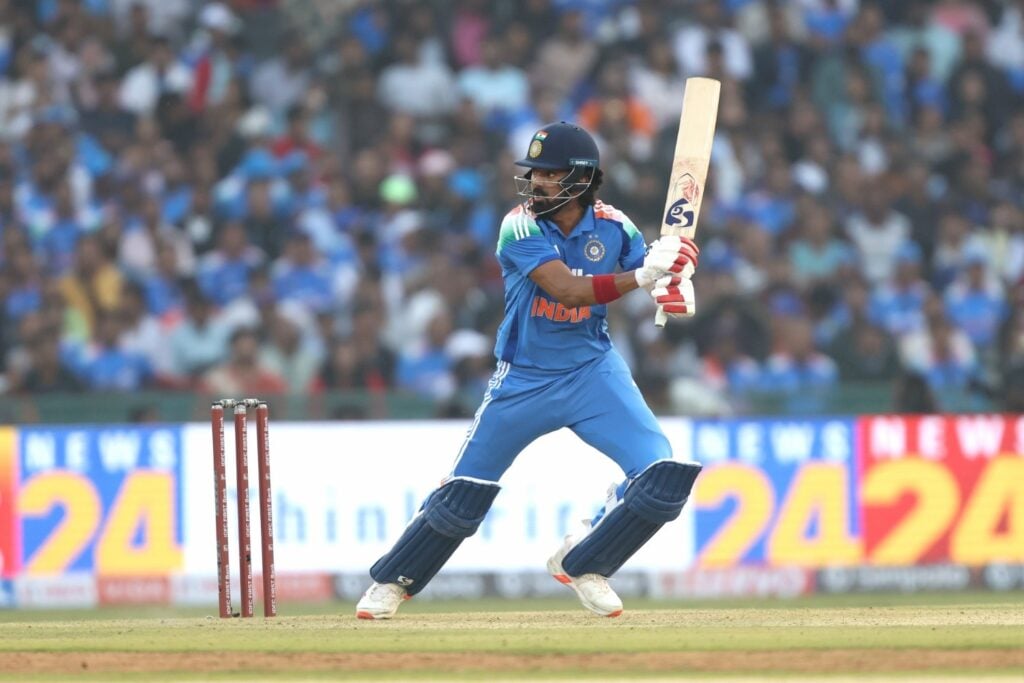
The dew factor transformed what should have been a challenging chase into a more manageable proposition for South Africa. The wet ball made it difficult for India’s bowlers to grip properly, affecting their control and reducing their ability to execute variations effectively. While this doesn’t diminish South Africa’s achievement, it provides crucial context for understanding how a target that seemed imposing under lights became more accessible.
Battling Through Adversity
What made this match truly remarkable was how both teams persevered despite being severely hampered by injuries to key players. India took the field without some of their most important names – Shubman Gill, Shreyas Iyer, Jasprit Bumrah, and Mohammed Siraj were all absent. This was not the full-strength Indian side that had started the series, yet they fought with remarkable spirit and determination.
South Africa, too, was dealing with its own injury crisis. The most dramatic example came from Tony de Zorzi, who believed he could chase down the last 31 runs from 31 balls while hobbling on one functioning leg. His bravery, while admirable, bordered on foolishness. One attempt at running between the wickets, during which he had to hop to complete the run, demonstrated both his courage and the impossibility of his situation. Eventually, common sense prevailed, and he ended up watching the remainder of the chase from the dugout, still fully kitted out from head to toe, unable to contribute but unwilling to completely disconnect from the action.
The sight of de Zorzi in the dugout, dressed and ready but physically unable to help his team, encapsulated the desperation and drama that characterized this encounter. Both teams were operating under less-than-ideal circumstances, making their performances even more commendable.
Prasidh Krishna’s Difficult Day
For India’s Prasidh Krishna, this match represented one of those days every bowler dreads. His role in the middle overs is typically to hit the deck hard and extract whatever bounce or movement the surface offers. In Raipur, however, he simply wasn’t getting any purchase from the pitch. The surface offered little assistance, and the dew only compounded his difficulties.

Despite his struggles, the Indian team management kept faith in him, insisting that he continue trying to make breakthroughs. His final figures told a harsh story: 15.4 overs for 133 runs. These are numbers that make any bowler wince, but Krishna will hope that the team views them with some leniency given the circumstances he was operating under.
The conditions were far from favorable for bowlers attempting to defend a target. The dew made the ball slippery, control became increasingly difficult as the evening progressed, and South Africa’s batsmen capitalized ruthlessly on every opportunity. Krishna bore the brunt of South Africa’s assault, but he wasn’t alone in struggling to contain the scoring.
The Breaking Point
The moment when this game ceased being fun for India came when Ruturaj Gaikwad completed Marco Jansen’s dismissal. By that stage, South Africa was well on their way to completing the joint-highest chase by any team against India in India. The realization that despite posting a substantial total and fighting hard throughout the chase, victory was slipping away must have been crushing for the home side.
In the 28th over, the signs of India’s desperation became visible. Rohit Sharma, usually stationed at mid-off, spent more time in Harshit Rana’s ear than at his designated fielding position. The former India captain was trying everything to motivate his bowlers, provide tactical advice, and somehow stem the flow of runs that showed no signs of abating.
By the 30th over, Sharma’s frustration had reached a new level. He approached Rohan Pandit, the umpire who was making a significant step up by officiating his first India ODI. Pandit’s previous experience consisted of four matches in Dubai between USA, UAE, and Nepal – games that could never have prepared him for dealing with one of cricket’s biggest names expressing vocal displeasure about the condition of the ball.
Sharma’s complaint about the ball’s condition highlighted how desperate India had become. When you’re resorting to questioning equipment, you know the situation has moved beyond your control. The dew had rendered the ball increasingly difficult to manage, and India’s options for fighting back were diminishing with each passing over.
Markram’s Nerves of Steel
While India struggled, Aiden Markram demonstrated remarkable composure under pressure. This was the same Markram who had endured a difficult outing in Chennai during the 2023 World Cup, but on this occasion, he showed he had learned from past experiences. The man, as the analysis noted, still has ice in his veins.
His confidence and game awareness were perfectly illustrated in the 48th over when he was leaving balls, trusting his judgment that Harshit Rana’s bouncers were sailing too high and would be called wide. This level of composure – to be patient and trust your assessment of the game situation when your team needs just a handful of runs – separates good players from great ones.

Markram wasn’t just scoring runs; he was managing the chase with the calm assurance of someone who believed victory was inevitable. His century anchored South Africa’s pursuit and gave his teammates the confidence to play their natural games around him.
A Testament to Modern ODI Cricket
This match in Raipur served as a reminder of how dramatically ODI cricket has evolved. Totals that once seemed insurmountable are now regularly chased down, especially when conditions favor batting in the second innings. The combination of modern batting techniques, aggressive mindsets, and favorable conditions has transformed what constitutes a defendable score.
India’s performance in posting their total deserved better than defeat. Yet in modern cricket, even excellence isn’t always enough. You need conditions on your side, you need your best players available, and you need everything to go right. In Raipur, too many factors aligned against India for them to defend successfully.
South Africa’s chase, meanwhile, demonstrated the depth and resilience that makes them such dangerous opponents. Despite their own injury concerns, despite losing wickets at crucial moments, they kept believing and kept fighting. When one player fell, another stepped up. This resilience, combined with favorable conditions and some outstanding individual performances, proved decisive.
The Bigger Picture
For both teams, this match provided valuable lessons as they build toward future challenges. India learned that even posting substantial totals isn’t sufficient if you lose the toss and conditions deteriorate. They also discovered which players can be relied upon when key names are absent and which areas need strengthening.
South Africa, conversely, demonstrated their ability to chase down daunting targets even when depleted by injuries. They showed mental fortitude when the pressure mounted and wickets fell, and they proved they have the batting depth to succeed in difficult situations.
The match in Raipur will be remembered as one where everything that could happen did happen. Injuries tested both teams, conditions played a massive role, umpires faced unprecedented pressure, and the cricket itself scaled heights that left everyone exhausted. When India and South Africa went off the scale in Raipur, they reminded us why ODI cricket, despite predictions of its demise, can still produce matches of breathtaking drama and unforgettable quality.
FAQs
What made the India vs South Africa match in Raipur so remarkable?
The match was extraordinary due to a combination of factors including significant injuries to both teams, dew conditions that heavily favored the chasing side, and South Africa completing the joint-highest successful chase against India in India. Both teams refused to give up despite operating under difficult circumstances.
How did dew affect the match outcome?
Dew played a crucial role in making South Africa’s chase easier. As India captain KL Rahul admitted, losing the toss and the arrival of dew made a huge difference. The wet ball became difficult for Indian bowlers to grip, reducing their control and making it harder to execute variations effectively.
Which key players were missing for India in this match?
India played without several crucial players including Shubman Gill, Shreyas Iyer, Jasprit Bumrah, and Mohammed Siraj. Despite these absences, India managed to fight competitively throughout the match, demonstrating the depth of their squad.
What happened to Tony de Zorzi during the chase?
Tony de Zorzi attempted to continue batting on one functioning leg, believing he could help chase down the remaining runs. After one attempt at running between wickets by hopping, it became clear he couldn’t continue. He ended up watching the rest of the chase from the dugout, still fully dressed in his cricket kit.
How did Aiden Markram demonstrate composure under pressure?
Markram showed ice-cold nerves by leaving balls in the 48th over, confident that Harshit Rana’s bouncers were too high and would be called wide. This level of judgment and patience when his team needed just a few runs to win demonstrated his exceptional temperament and game awareness.