

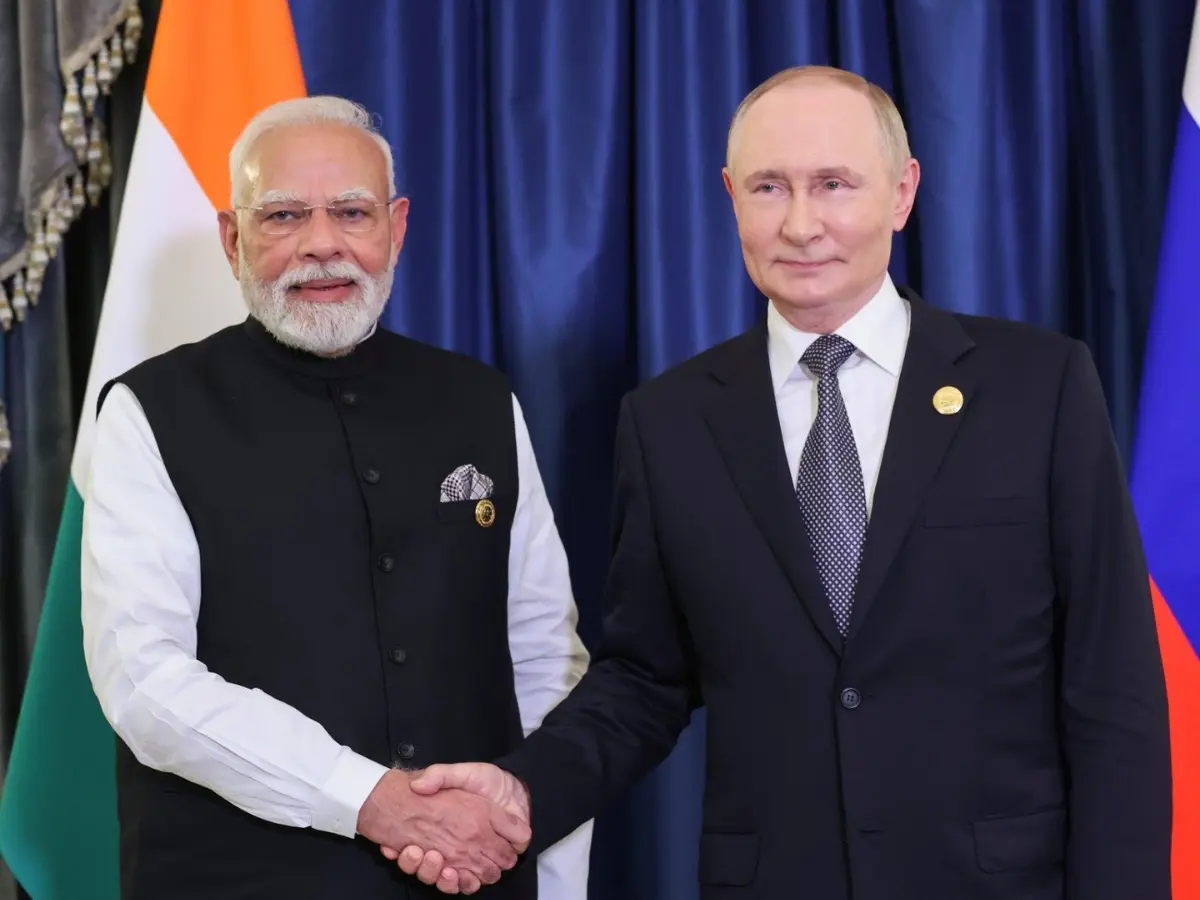
India and Russia will discuss next-generation BrahMos missile variants during President Vladimir Putin’s December 5-6 visit, focusing on lighter air-launched versions and extended-range models hitting targets beyond 1,000 km.
Table of Contents

BrahMos Next-Generation Development Plans
| Variant | Details |
|---|---|
| BrahMos-NG | Lighter design for Tejas, Rafale, Su-30MKI, AMCA; 400km+ range |
| Extended-Range | 800km (trials ongoing), 1,500km (planned development) |
| Current Capability | 450-500km (land/ship), 290km (air-launched) |
| Combat Proven | Operation Sindoor (May 2025) strikes on Pakistan |
| Production Hub | 80-hectare Lucknow facility (₹300 crore investment) |
| Export Success | Philippines (delivered), Vietnam (pending), Indonesia (negotiations) |
Why Advanced Variants Matter
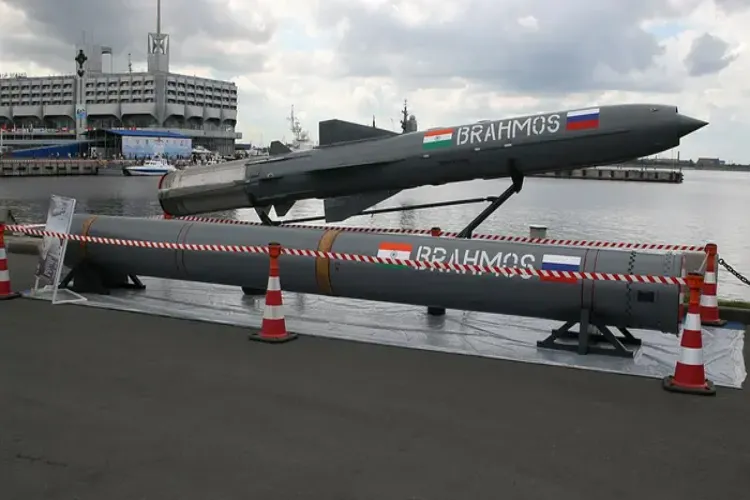
The discussions follow BrahMos’s successful deployment during Operation Sindoor, where the missiles struck Pakistan’s Nur Khan airbase and Jaish-e-Mohammed headquarters with devastating precision. This combat validation has accelerated demand for upgraded versions addressing specific operational gaps.
BrahMos-NG (Next Generation): The lighter variant weighs significantly less than the current 2.5-ton missile, enabling integration across all Indian Air Force fighters including Tejas Mk1A, Tejas Mk2, and potentially AMCA stealth fighters. Its smaller dimensions allow fighters to carry multiple missiles, radically improving strike density against high-value targets. Flight testing is expected to begin in late 2025 or early 2026.
Extended-Range Models: India and Russia are exploring versions capable of engaging targets at more than three times the current range, pushing strike distances well beyond 1,000 km. The 800km variant is currently under trials with modified ramjet motors, with development expected to complete by end-2027. This dramatically extends India’s precision-strike envelope, particularly for maritime and deep-strike missions.
Strategic Context
Original BrahMos models were limited to 290km to comply with international export restrictions under the Missile Technology Control Regime (MTCR). After India joined MTCR in 2016, restrictions lifted, enabling development of 450-500km variants now operational across all three services.
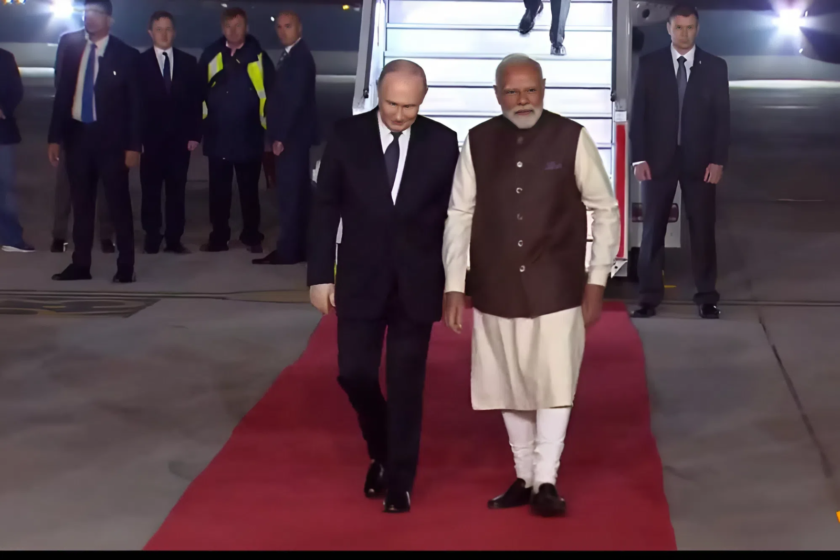
The upcoming Putin visit will provide political backing to accelerate joint development, streamline technology sharing, and finalize manufacturing timelines. Discussions will also cover hypersonic missile cooperation and India’s acquisition of additional S-400 air defense systems that proved effective during Operation Sindoor.
Production and Export Success
The 80-hectare BrahMos Aerospace facility in Lucknow, inaugurated May 11, 2025, will serve as the core production unit, manufacturing land-based, sea-based, and air-launched variants under the Uttar Pradesh Defence Industrial Corridor.
BrahMos has become India’s most successful defense export: The Philippines received two of three ordered batteries as of April 2025, Vietnam negotiations are advancing, and Indonesia is finalizing a $450 million deal for 290km-range variants expected during President Prabowo Subianto’s January 2025 Republic Day visit.
Kremlin spokesperson Dmitry Peskov highlighted BrahMos as exemplifying high-technology exchange between the strategic partners, positioning it as one of the most successful Indo-Russian co-development models.
Read more defense news at TechnoSports.
FAQs
When will BrahMos-NG be operational?
Flight testing begins late 2025/early 2026, with operational induction expected 2027-2028 after successful trials and production ramp-up.
How does extended-range BrahMos affect regional balance?
800-1,500km range enables India to strike deep into adversary territory from standoff distances, significantly expanding deterrence and strategic reach across maritime and land domains.