
 SA329 (82.3 ov)
 AUS
AUS BAN
BAN WI
WI IND-W
IND-W ZIM-W
ZIM-W GOA
GOA SC Delhi
 Milan
Milan Bologna
 Parma
Parma Udinese
 Venezia
 Inter Milan
 Genoa
Genoa Juventus
 Monza
Monza Napoli
 ROMA4
ROMA4 CAG2
CAG2 TOR1
TOR1 COMO3
COMO3 SAS2
SAS2 LAZ6
LAZ6 AFG177
 ZIM140 (19.1/20 ov, target 178)
 AUCK
AUCK CANT
CANT CD
CD ND
ND SIKM184
 NAGA187 & 46/4 (34 ov)
 JHK131/4 (47 ov)
 DELHI515/5d
 ODSA194
 SVCS13/0 (5 ov)
 BRODA616
 J & K6/0 (4 ov)
 CHD685/5d
 HP49/0 (14 ov)
 CGR216/8 (95 ov)
 AP231
AP231 HYD193/2 (54 ov)
 PNJB431
 KNTKA297/7 (95 ov)
 TPURA194
 KER101/6 (35 ov)
 BENG350
 UAE
UAE OMA
OMA ENG
ENG SL
SL DEN
DEN QAT
QAT KENYA
KENYA KUW
KUW POA
POA SPR
SPR BRB
BRB VAG
VAG PAK110
 NAM316/7
 IRE253 (44.5/50 ov, target 317)
 NZ198/3
 IND199/4 (13.2/20 ov, target 199)
 NED371/5
 JAB113 (19.3/20 ov, target 133)
 KAY132/9
 Gamba Osaka
 Buriram
 Kashima
 Pohang Steelers
 ABH0
ABH0 ALF1
ALF1 Sevilla2
 Osasuna0
 PSG2
PSG2 Lyon0
Lyon0
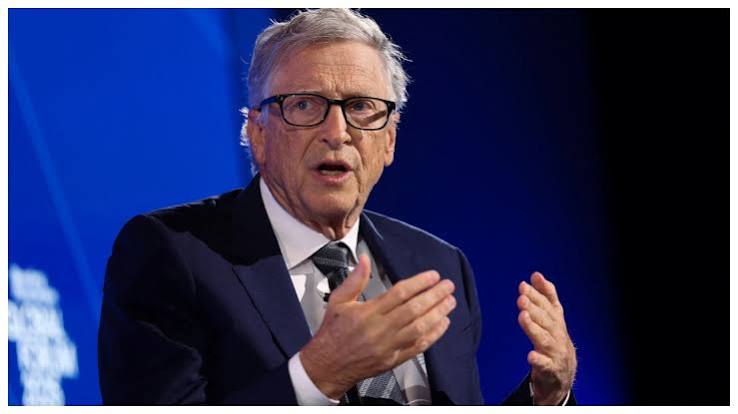
Microsoft co-founder Bill Gates proposed the creation of “Human Reserved” job categories and a tax on AI tokens during an August 26, 2026 announcement covered by OpenAI Blog updates. The unexpected policy framework arrives as enterprise deployment cycles accelerate, threatening widespread workforce displacement across global labor markets. The proposal aims to protect vulnerable professions from complete automation while gene
The Mechanics of AI Token Taxation
Implementing a tax on AI tokens requires a standardized measurement of computational output across disparate model architectures. Regulators would need to monitor prompt and completion tokens at the API gateway level, introducing potential latency and privacy hurdles for enterprise clients.
Governments might partner with infrastructure providers to track inference consumption automatically during billing cycles. Such a system would mirror traditional carbon credit frameworks, scaling tax burdens proportionally with model parameter size and compute intensity.
Critics argue that artificial levies could stifle open-source research and disadvantage smaller startups competing against vertically integrated technology monopolies. Larger corporations absorb compliance costs much more easily than independent developers building specialized domain models on public cloud infrastructure.
Protecting Labor Through Human Reserved Mandates
Designating specific career tracks as legally protected from full automation provides a psychological floor for workers navigating rapid technological disruption. Education and mental health counseling stand out as primary candidates for mandatory human involvement under the proposed framework.
Labor unions have expressed cautious optimism regarding the initiative, though many demand strict enforcement mechanisms to prevent corporate loopholes. Without enforceable penalties, companies might simply redefine job titles to bypass the human-reserved restrictions entirely. Economic historians point out that previous industrial revolutions required similar structural interventions to prevent severe societal destabilization during periods of massive productivity growth. The current transition mirrors historical shifts from agrarian economies to industrialized manufacturing hubs.
Market Reception and Future Implementation
Technology executives and venture capitalists have offered mixed reactions to the billionaire’s fiscal proposals, balancing societal stability against growth incentives. Some industry leaders argue that punitive taxes will merely drive advanced research development offshore to more lenient regulatory environments.
Policy think tanks across Washington and Brussels are currently reviewing the feasibility of drafting international treaties to harmonize global token taxation standards. Legislative bodies plan to hold preliminary hearings on automated labor displacement later this autumn.
| Proposal Element | Target Mechanism | Projected Impact |
|---|---|---|
| Token Tax | Inference API billing | Funds social safety nets |
| Human Reserved | Legal employment mandates | Protects vulnerable careers |
| Oversight Boards | National labor ministries | Enforces compliance |
Gates Reserved’ implementation timelines remain dependent on coordinated legislative action between major economies over the next fiscal cycle.
Bill Gates proposing ‘Human Reserved’ job protections and token taxes marks a significant turning point in how society addresses automation-driven unemployment. While technical hurdles and enforcement debates lie ahead, the framework forces a necessary global dialogue on balancing rapid artificial intelligence innovation with sustainable human labor policies. Stay tuned for more on Gates Reserved’.
FAQs
What is the primary goal of the Gates Reserved proposal?
The proposal seeks to protect specific professions from complete automation through legal mandates while using token taxes to fund social safety nets.
How would a tax on AI tokens work in practice?
Regulators would monitor and tax the computational units consumed during model inference at the API gateway level.
Which industries would be affected by Human Reserved job categories?
Critical societal sectors such as healthcare, education, and legal adjudication are primary candidates for mandatory human involvement.
When was this policy framework announced?
The proposal was publicly reported on Wednesday, August 26, 2026.
Was this article helpful?
Your feedback directly improves future articles on this site.


