MEX-W
 ARG-W
 ARS2
 EVE0
 COV0
 FUL1
 OFC0
 NEU0
 NEOM2
 ABH0
 RAC0
 ESP1
 KHO0
 ETT0
 BLK2
 WXM0
 NAP
 ROMA
 CHE
 TOT
 VAL
 VIL
 DOR
 SGE
 RIY
 TAA
 LAZ
 PAR
 RCL
 PAR
 FCA1
 FCU1
 KOE0
 S040
 M052
 SVW3
 RBL4
 ELV0
 KNGHT74/1 (12.1/20 ov)
 MPUMA
 NZ-A135/3 (41 ov)
 IND-A113
 SYL
 KHU
 MYMS299/4 (87 ov)
 CHATT
 DHA293/3 (84.1 ov)
 RAJ
 RAN320/5 (80 ov)
 BAR
 UAE
 NED
 PAK
 ENG
 IND-W
 ZIM-W
 GMB
 LES
 MOZ
 ZMB
 NGA
 UGA
 NAM321/6
 IRE290 (47.3/50 ov, target 322)
 NZ180/5
 IND181/6 (19.5 ov)
 CAR1
 BIR0
 LCN4
 BUR1
 PNE1
 WBA1
 QPR4
 SWA0
 STK0
 BRC0
 ATM
 DEP
 SCP1
 HSV0
 CAG0
 BOL2
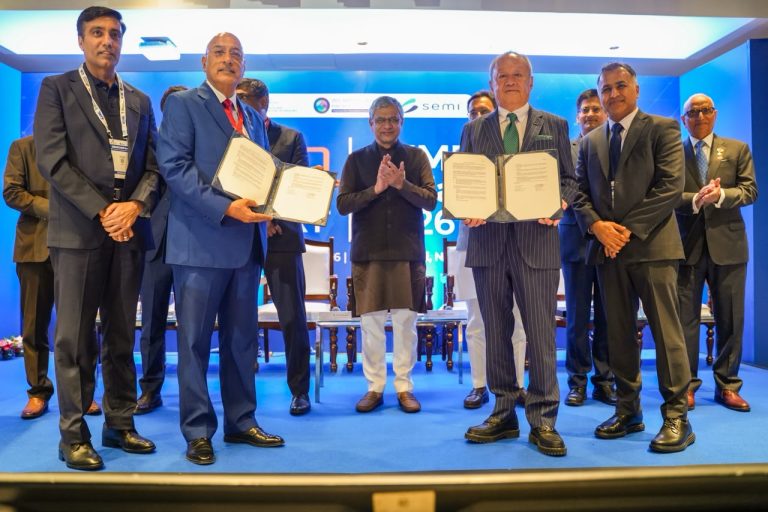
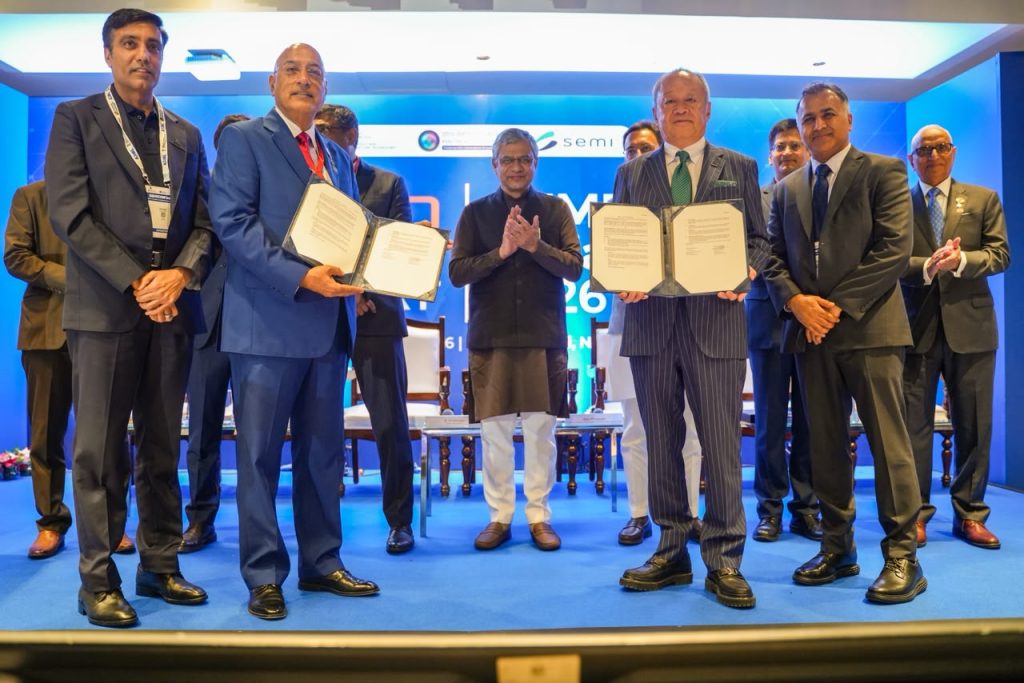
India’s chip-making ambitions just got a serious shot in the arm. Fujifilm and Tata Electronics have joined hands to build a homegrown semiconductor materials ecosystem — the kind of unglamorous but absolutely critical groundwork that decides whether a “Made in India” chip is actually possible.
What Was Announced by Fujifilm?
On September 17, 2026, the two companies signed a Memorandum of Understanding (MoU) to support the materials supply chain around Tata Electronics’ upcoming Fab in Dholera, Gujarat. Fujifilm will supply advanced semiconductor materials and invest roughly INR 800 crore (~$83 million) to set up a materials plant in the Dholera Special Investment Region.
| Detail | Information |
|---|---|
| Partnership | Fujifilm & Tata Electronics |
| Agreement Type | Memorandum of Understanding (MoU) |
| Announced On | September 17, 2026 |
| Fujifilm Investment | ~INR 800 crore (~$83 million) |
| Location | Dholera Special Investment Region, Gujarat |
| Focus | Semiconductor materials & raw material localization |
| Tata Fab Investment | ~INR 91,000 crore (~$11 billion) |
| Fab Capacity | 300mm wafers, 28nm–110nm nodes |
Why This Matters for India?
Setting up a chip fab is only half the battle — without a reliable local supply of high-purity chemicals, photoresists, and CMP slurries, manufacturers stay dependent on imports. This partnership aims to fix that by helping Indian chemical companies build the technical know-how to produce these critical materials domestically. It’s a key step in strengthening semiconductor manufacturing supply chains that today are concentrated in just a handful of countries.
Tata Electronics CEO Randhir Thakur called it a step toward building “a secure semiconductor value chain,” while Fujifilm’s leadership highlighted India’s semiconductor market as a major growth opportunity. The Dholera Fab itself will serve sectors ranging from automotive and AI to consumer electronics once operational. For more business and tech updates, check out TechnoSports.