


The NFT boom is over, and Flow knows it. The blockchain that powered NBA Top Shot just announced a dramatic pivot from NFT platform to consumer-grade DeFi ecosystem, launching lending protocol FCM and the Peak Money app while upgrading FLOW to a deflationary token. But can a former NFT leader survive in DeFi’s cutthroat arena?
Table of Contents
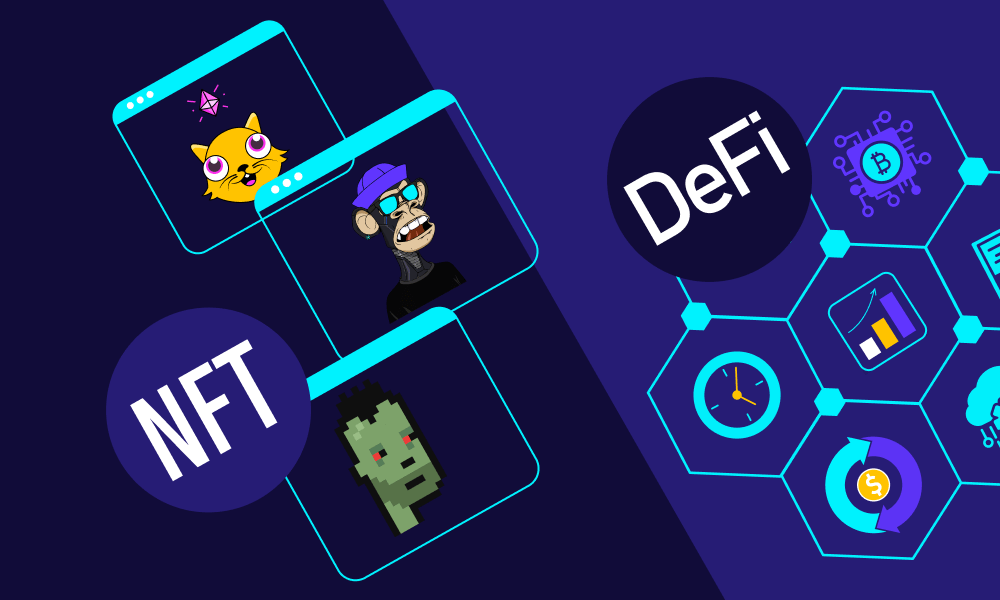
Flow’s DeFi Transformation: What’s Changing
| Component | Details |
|---|---|
| New Focus | Consumer-grade DeFi platform |
| Key Product | Flow Credit Market (FCM) lending protocol |
| App Launch | Peak Money (APY up to 25% crypto, 10% cash) |
| Token Model | Deflationary with transaction burns |
| Current TVL | $107M (up 187.1% year-to-date) |
Why Flow Is Making This Move
According to Dapper Labs CEO Roham, today’s DeFi is hostile territory where only technical experts survive. Flow aims to democratize DeFi by removing complexity—no mnemonic phrases, no liquidation cascades, no expert-level knowledge required.
The centerpiece is FCM, an automated lending protocol using Flow’s native on-chain scheduling system. Unlike traditional DeFi lending that punishes users during liquidation, FCM employs proactive risk management, continuously monitoring positions and rebalancing before risks materialize. Internal simulations claim FCM protected deposits during major market crashes while reducing costs by 99.9% compared to other networks.

Peak Money, the consumer app built on FCM, promises bank-beating returns with zero minimums and instant liquidity. Users can deposit cash or crypto and earn passive income without technical barriers.
Flow’s Secret Weapons
Flow isn’t starting from scratch. With over 41 million total accounts and 1.1 million monthly active users from its NFT days, the platform has an existing user base to activate. Recent upgrades like Forte (eliminating off-chain bot reliance) and Crescendo (Ethereum Virtual Machine compatibility) provide technical foundations for complex financial applications.
The deflationary token model ties network usage directly to value—each transaction burns tokens, creating scarcity. At approximately 250 TPS, FLOW achieves net deflation while maintaining lower costs than Solana and Base.
For more blockchain and DeFi coverage, visit TechnoSports.
The Challenges Ahead
Flow faces massive headwinds. Most of its 41 million users are dormant NFT collectors who’ve already left the market. Converting them to active DeFi participants is uncertain at best.
The DeFi market is brutally competitive with entrenched protocols boasting massive liquidity and brand recognition. Flow must overcome its “NFT chain” label and prove itself in financial applications—a complete brand repositioning challenge.
Whether Flow can activate its dormant user base and compete with DeFi giants remains the billion-dollar question. The technology is there, but execution will determine if this pivot saves Flow or becomes another cautionary tale.
FAQs
What is Flow’s new DeFi product offering?
Flow launched FCM (Flow Credit Market) lending protocol and Peak Money app, offering up to 25% APY on crypto and 10% on cash deposits.
How does Flow’s token economics work now?
FLOW transitioned to a deflationary model where each transaction burns tokens, creating scarcity and increasing value as network usage grows.