NZ185 (40.2 ov)
 IND64/1 (12/40 ov, target 186)
 UAE185/6 (45.5/50 ov)
 OMA
 HH-W23/2 (4.5/20 ov)
 MR-W
 REN
 OLY
 WI-A
 LIONS
 AEK
 RMA
 FEN
 LIV
 DOR
 BET
 FCP
 NAP
 RCL
 COMO
 PSV
 BRU
 Atlético0
 Bayern2
 Barcelona3
 Aston Villa0
 Bodo/Glimt0
 Lille0
 Feyenoord0
 Inter Milan3
 MEGHA144
 NAGA254 & 184 (78.5 ov)
 TPURA268 & 191
 SAU118 & 42/0 (10 ov, target 342)
 BENG143 & 0/0 (2 ov)
 MAHA218
 ODSA23/0 (5 ov)
 JHK433/8d
 CHD94 & 60/0 (20 ov) (f/o)
 TN571/7d
 CGR284 & 131/3 (37 ov)
 HYD280
 DELHI344
 SVCS266 & 85/2 (24 ov)
 GUJ534/9d
 KER248/5 (69 ov)
 HP153
 RAJ78 & 481/5 (125 ov)
 BAN
 WI
 AFG
 ZIM
 AS-W
 BH-W
 ST-W
 PS-W
 JAB
 LUL
 BIK
 KAG
 EASTN
 DOLPH
 CD283 (45.5/50 ov, target 358)
 AUCK357/7
 WELL354/7
 ND152 (35.1/50 ov, target 355)
 OTAGO179/4 (37/46 ov, target 176)
 CANT175 (43.3/46 ov)
 POA97/9
 MBV0
 SIB0
 RBL
 MNC
 LASK Linz4
 S Bratislava0
 Man Utd3
 AS Roma2
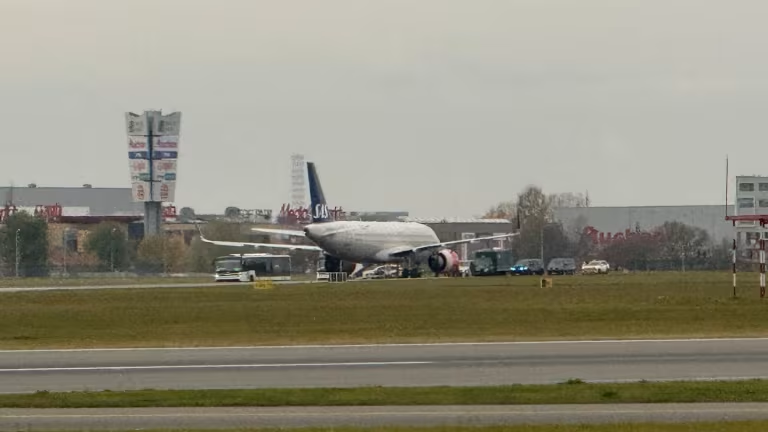
On Tuesday, November 3, 2026, coordinated bomb threats targeted seven aircraft across Europe. Police intervened immediately, and airports in Poland, Germany, and Italy went into emergency lockdown. The alerts prompted airlines and aviation authorities to run temporary safety checks and ground operations.
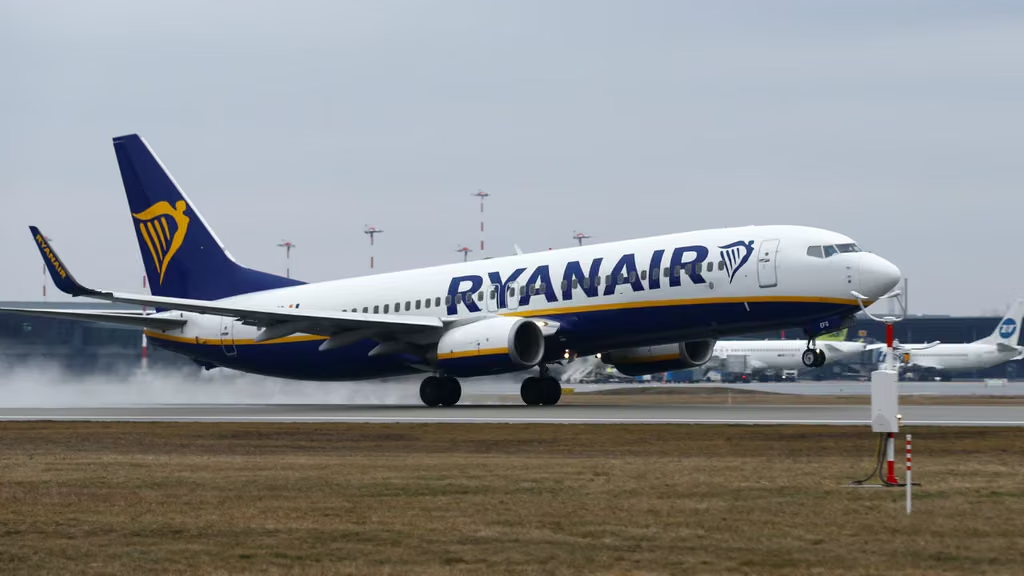
Overview of the Bomb Threats
Timeline of events across the seven flights
According to preliminary media reports, carriers such as Ryanair and Lufthansa managed disrupted services after the first wave of communications, which led to immediate groundings.
Law enforcement officers quickly secured terminals and thoroughly inspected each affected plane. Europol (the European Union Agency for Law Enforcement Cooperation) immediately coordinated intelligence sharing among member states, helping national police forces exchange threat data.
Preliminary assessments reportedly conducted by Interpol (the International Criminal Police Organization) say inspectors searched all targeted aircraft but found no explosive devices, suggesting the warnings had no physical backing. Zero explosive devices turned up in the searches. Airports in Poland, Germany, and Italy activated their highest-level emergency protocols, grounding flights and clearing runways until authorities granted clearance. Police dogs searched cabins, while heavy equipment checked baggage holds. The alerts arrived in sync, suggesting a single operator or group used automated dialing systems to contact dispatch centers at the same time. Extended ground stops caused cascading schedule failures, forcing operators to cancel later flight legs and reset crew duty limits.
Impact on Airlines and Passengers
Security measures implemented at airports
Travelers faced major delays as ground crews processed reportedly thousands of bags and passengers at additional screening checkpoints. Airlines issued travel advisories and rerouted flights to unaffected destinations, putting extra strain on crew scheduling systems across the continent. Frequent flyers also felt the psychological toll, as uncertainty weakened confidence in rapid transit networks. Security personnel doubled their presence at check-in counters and boarding gates to manage crowds during the extended holds. The operational paralysis showed how vulnerable modern logistics remained to non-lethal coercion tactics.
Low-cost carriers came under particular pressure, while budget travelers struggled to find alternative transport quickly. Corporate travelers booked last-minute train tickets, adding to congestion on rail networks near major airport hubs. Lost connections also led to hotel cancellations, spreading the effects through the hospitality sector well beyond the initial warning window. Preliminary reports say the threats used standardized scripts that reportedly referenced high-yield materials, a tactic known to maximize panic without details that might let dispatchers dismiss them quickly. That precise wording suggested sophisticated planning, not random harassment. No explosives were recovered, but the efficient multinational response showed stronger coordination among security bodies. Aviation officials plan to review call-center triage procedures for possible gaps in early detection. The coordinated alerts served as a stark reminder: digital communication channels remain a primary tool for coercive actors seeking maximum disruption. Regulators are expected to tighten verification protocols for anonymous tip lines while balancing safety and operational continuity. Authorities are already tightening these protocols, prompting the aviation sector to invest in AI-driven voice analysis that can distinguish genuine risks from malicious noise before another coordinated wave hits.
FAQs
What were the specific flights targeted?
Authorities identified seven aircraft operated by carriers such as Ryanair and Lufthansa as targets of the coordinated warnings on Tuesday, November 3, 2026.
How did airlines respond to the threats?
Airlines grounded the affected planes, searched their cabins, and rerouted flights to secondary airports. They also coordinated with local police to keep passengers safe.
What should passengers know about safety protocols?
During active alerts, passengers should expect enhanced screening and baggage checks. They should also monitor official airline channels for real-time updates on delays or cancellations.
Are there ongoing investigations into the threats?
Europol (the European Union Agency for Law Enforcement Cooperation) and Interpol (the International Criminal Police Organization) are sharing intelligence to trace the communications. Preliminary checks found no explosive devices aboard the inspected aircraft. Source: BBC
Read Next
- Olivia Rodrigo Announces First Christmas Song Take Me Home
- Google Quick Share Integration Brings Direct App Sharing to Android and iOS in 2027
- Ben Wang Iceman Role: Actor Circling Marvel’s X-Men Project
Was this article helpful?
Your feedback directly improves future articles on this site.