BUR0
 KAN0
 REN
 OLY
 WI-A
 LIONS
 AEK
 RMA
 FEN
 LIV
 DOR
 BET
 FCP
 NAP
 RCL
 COMO
 PSV
 BRU
 UAE226/8
 OMA184/9 (50 ov, target 227)
 NZ185 (40.2 ov)
 IND143/5 (22.4/32 ov, target 143)
 Atlético0
 Bayern2
 Barcelona3
 Aston Villa0
 MEGHA144
 NAGA254 & 184 (78.5 ov)
 TPURA268 & 191
 SAU118 & 131/7 (41 ov, target 342)
 BENG143 & 76/4 (24 ov)
 MAHA218
 ODSA23/0 (5 ov)
 JHK433/8d
 CHD94 & 189/7 (57 ov) (f/o)
 TN571/7d
 CGR284 & 254
 HYD280 & 13/2 (4.5 ov, target 259)
 DELHI344
 SVCS266 & 280/5 (66 ov)
 GUJ534/9d
 KER279 & 41/1 (16 ov) (f/o)
 HP153 & 83/4 (29 ov, target 447)
 RAJ78 & 521/8d
 J & K491/5 (130 ov)
 PONDI385
 MNPR289
 SIKM432 & 81/0 (25 ov)
 MIZO571/9d
 ARP285 & 86/1 (32 ov)
 BAN
 WI
 AFG
 ZIM
 AS-W
 BH-W
 ST-W
 PS-W
 JAB
 LUL
 BIK
 KAG
 EASTN
 DOLPH
 HH-W154/7
 MR-W155/6 (19.5/20 ov, target 155)
 CD283 (45.5 ov)
 AUCK357/7
 WELL354/7
 ND152 (35.1 ov)
 RBL
 MNC
 Bodo/Glimt0
 Lille0
 Feyenoord0
 Inter Milan3
 LASK Linz4
 S Bratislava0
 Man Utd3
 AS Roma2
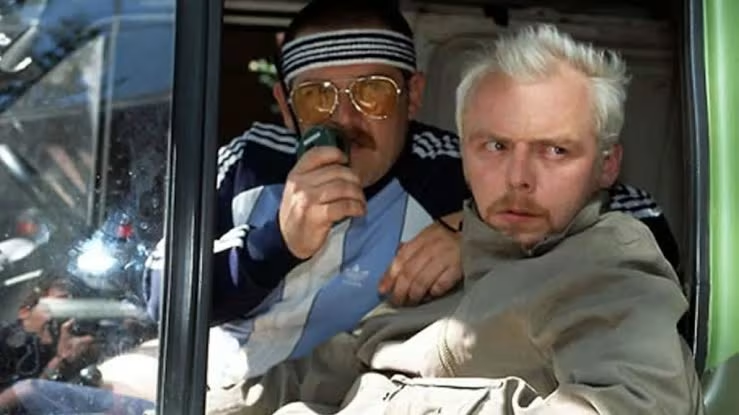
On November 2, 2026, an unconfirmed account claimed Edgar Wright had condemned an unauthorized artificial intelligence (AI) remaster of Spaced. The statement remains unverified, and no direct quote or confirmed details are available here.
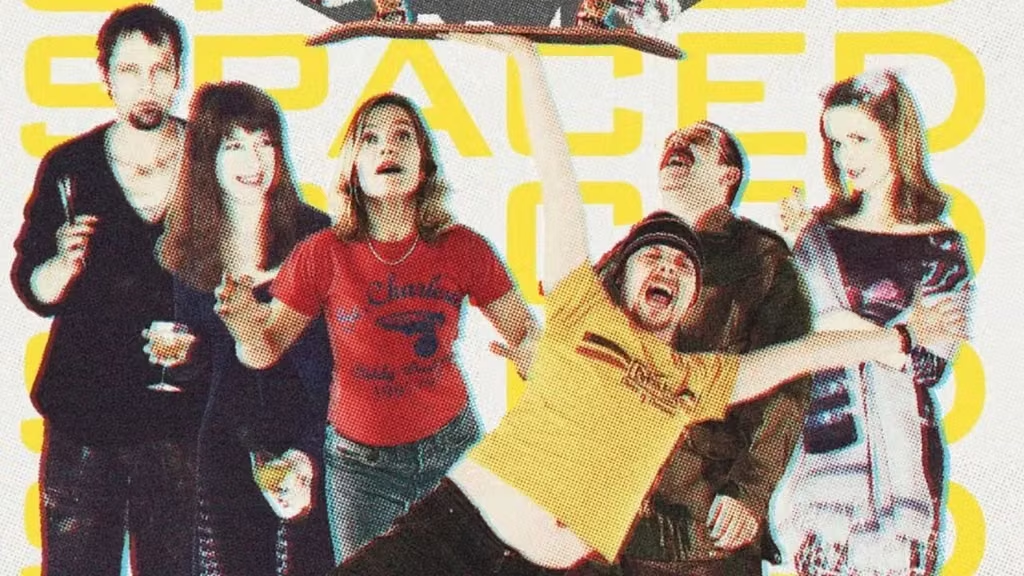
Edgar Wright’s Response to the AI Remaster
The unconfirmed account, dated November 2, 2026, says Wright publicly objected to an AI-generated version of his sitcom. It says he issued a statement through his official X (formerly Twitter) account, but marks that detail as unconfirmed; no quote or further wording appears here.
That distinction matters. Without a verifiable statement, readers can’t tell exactly what he condemned or whether he objected to the video, its distribution, or both.
Background on Spaced and the unauthorized remaster
Spaced premiered on Channel 4 on September 23, 1999. The original run had 14 episodes across two series, and Simon Pegg and Jessica Hynes created and starred in the show. The supplied account describes the AI remaster as an anonymous creator’s YouTube upload in October 2026, but doesn’t identify the creator or explain how the video was made.
The missing details leave open whether the video changed image quality, altered scenes, or generated new material. Since an AI “remaster” can involve different kinds of alterations, the label alone doesn’t tell us what viewers saw. The available information also doesn’t say whether the upload remains online or whether its creator had permission. The next question is what such a dispute means for control over a work’s presentation.
What the Spaced Claim Means for Creative Ownership
The reported objection raises a practical question for audiences and creators: who gets to reshape a television series after its release? Spaced has a clear creative history—Wright, Pegg and Hynes made the original, and Channel 4 first broadcast it in 1999—but the supplied facts don’t establish who owns the relevant rights today.
A creator’s objection isn’t the same as a legal finding. The information available for this article confirms no court action, copyright claim, or platform decision.
Wright’s concerns about artistic integrity
Without a verified statement, it would be inaccurate to attribute a specific argument about artistic integrity to Wright. Still, an unauthorized alteration can prompt questions about whether a new version preserves the original work’s timing, look, and intent.
In a comedy series, even changes to image texture or pacing may affect how a scene lands. That’s why the reported objection deserves serious attention, though it doesn’t prove what Wright’s personal concerns were.
What the Spaced remaster’s method could mean
AI tools can modify or generate audiovisual material, but this account doesn’t identify the software or method used for the Spaced video.
Here’s the broader tension: tools that make editing and enhancement more accessible can also make it easier to circulate altered versions without clear permission. Whether a particular use is lawful depends on the rights involved and the applicable jurisdiction (the region whose laws apply); the facts here don’t establish a legal outcome.
If the account is substantiated, watch for a verifiable statement, a response from the uploader, or action from the platform. Until then, it’s important to distinguish the reported condemnation from confirmed details about the video and any legal consequences.
FAQs
The confirmed history of Spaced is clearer than what’s known about the alleged remaster. These answers separate established details from claims that still need verification.
What is Spaced about?
It’s a British television sitcom co-created by Simon Pegg and Jessica Hynes, who also starred in it. The show premiered on Channel 4 in 1999 and ran for 14 episodes across two series.
Did Edgar Wright oppose the AI remaster?
The supplied account says he condemned the unauthorized remaster, but offers no verifiable quote or explanation of his specific reasoning. It’d be premature to attribute a broader position to him.
How does AI affect creative industries?
AI can alter or generate media, raising questions about permission, authorship, and control. Its effects depend on the tool, the material used, and the rights involved.
What are the legal implications of unauthorized remasters?
Unauthorized remasters can raise copyright and licensing questions, but the answer depends on the work, the use, and the relevant jurisdiction. The facts provided here establish no legal ruling or claim.
Read Next
- Bhai Dooj 2026 Gift Ideas: 5 Long-Battery TWS Earbuds Your Sibling Will Actually Use
- Brother PR1060W Launched in India: A 1,000 SPM Embroidery Machine With a Built-In Camera
- AMD Adrenalin 26.10.2 Driver Released: Fixes for Valor Mortis, Death Stranding 2 and FSR SDK 2.4 on Vulkan
Was this article helpful?
Your feedback directly improves future articles on this site.