BAN
 WI235/4 (70 ov)
 AFG
 ZIM326/5 (87 ov)
 MBSG0
 OFC0
 SAM0
 DSC1
 MIL
 FER
 AND
 SLZ
 CRY
 TSG
 LEV
 JAG
 LSK
 PLZ
 NEC
 OMON
 RSO
 LYON
 SPP
 BOU
 CHU0
 NEU2
 Dortmund2
 Betis1
 FC Porto4
 Napoli1
 Lens1
 Como9
 ABT175 & 243
 SRW136 & 2/0 (0.5 ov)
 BHLPR304
 PRW218/8 (71 ov)
 DMJIR146/3 (42 ov)
 HYD-R519/8d
 PKR209 & 88/5 (40 ov)
 KARW121
 KRBLS280 & 2/1 (2 ov)
 SRB241 & 388/5d
 FSLB259 & 54/1 (26 ov) (f/o)
 PRB503/4d
 LAHW234 & 40/4 (17 ov, target 412)
 FATA362 & 283
 ISB215 & 163/6 (51 ov)
 MUL327
 PCBXI151/8d
 SL223/7d & 121/6 (38 ov)
 ZIM-A
 IRE-A346/8 (71 ov)
 NZ
 IND
 MS-W
 SS-W
 WAR
 BOL
 KAY
 SPR
 TUSK
 RHINO
 MOUNT
 ROCKS
 CHR
 POA
 EASTN
 DOLPH
 WI-A123 (16.3/20 ov, target 220)
 LIONS219/7
 UAE226/8
 OMA184/9 (50 ov, target 227)
 ST-W166 (19/20 ov, target 184)
 PS-W183/3
 AS-W170/5 (20 ov)
 BH-W184/4
 HH-W154/7
 MR-W155/6 (19.5/20 ov, target 155)
 BIK83
 KAG86/1 (9.4/20 ov, target 84)
 PSV1
 Club Brugge2
 RB Leipzig2
 Man City3
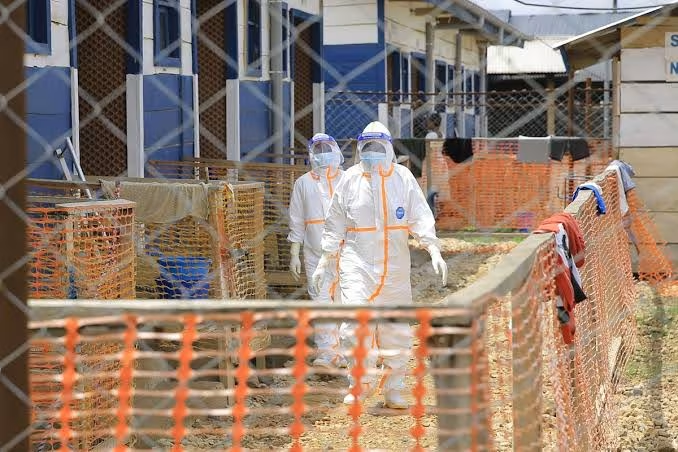
A British citizen infected with Ebola in the Democratic Republic of Congo is reportedly set to be evacuated to the United Kingdom for medical care. As of November 5, 2026, health authorities have released no official confirmation, departure schedule or clinical details.
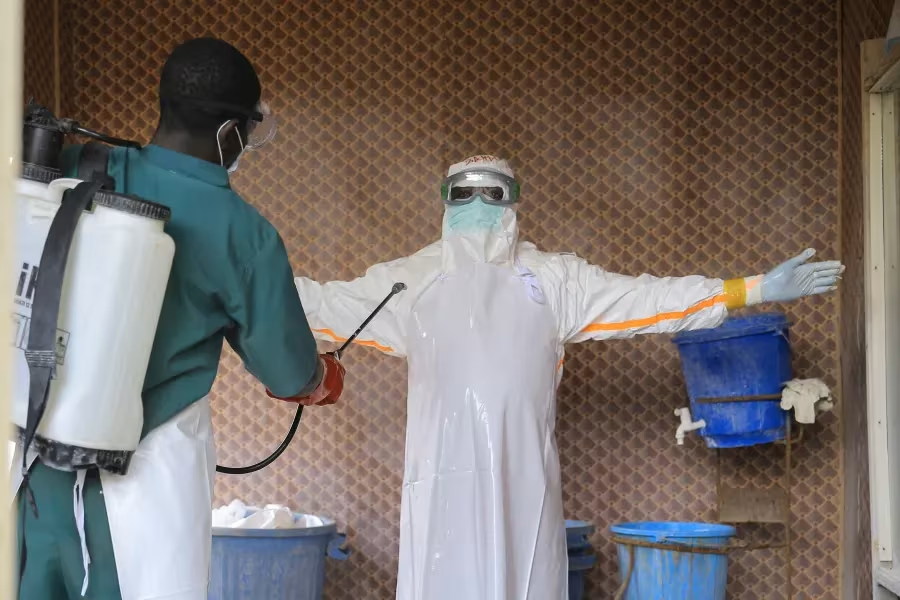
Overview of the Incident
Infection details and reported timeline
The case involves a British citizen who contracted Ebola in Congo, with evacuation to the UK described as imminent. Unconfirmed reports say the British Broadcasting Corporation (BBC) first covered the story, while other international outlets have since published updates. No available information names the patient or says where in Congo the infection occurred.
The key development is the planned medical transfer, not a confirmed arrival or treatment outcome; no departure date, route or travel duration appears in the information provided. Those details matter because an Ebola evacuation requires coordination between medical teams and authorities, but the announcement alone doesn’t establish how the transfer will happen. The Democratic Republic of Congo is a primary location for recent Ebola outbreaks monitored by the World Health Organization (WHO), yet this account identifies no specific outbreak, its scale or any link to the patient’s infection, leaving the wider public-health context unclear. The question now is how to manage the transfer while limiting risk.
Evacuation and Response Measures
Health protocols and UK agency roles
Medical evacuations for high-consequence infections typically rely on specialist containment arrangements. Unconfirmed reports say these transfers can involve dedicated units operated by the Royal Air Force (RAF), but authorities haven’t verified which aircraft, crew or equipment would be used in this case. They also haven’t specified the route or the infection-control measures planned for the journey.
In the UK, the Royal Free Hospital in London has historically been among the facilities equipped to handle Ebola cases, but that doesn’t mean the patient will be treated there. The available information identifies neither the destination hospital nor the agencies that would receive the patient; the UK government and health agencies would need to coordinate the reception and clinical care, but no specific department, official statement or operational plan has been provided. Until authorities share those details, the central facts remain limited: a British citizen is infected in Congo, and evacuation to the UK is planned. Watch for official confirmation of the transfer and its receiving facility.
FAQs About Ebola Evacuation UK
What are the symptoms of Ebola?
Ebola can cause fever, fatigue, muscle pain, headache and sore throat, followed by symptoms such as vomiting, diarrhoea or rash. Severe illness can involve internal or external bleeding, though symptoms vary and need medical assessment.
How is Ebola transmitted?
Ebola spreads through direct contact with the blood or bodily fluids of an infected person who is ill or has died, or with contaminated objects. It isn’t generally described as spreading through ordinary airborne transmission.
What precautions are taken during evacuation?
A specialist evacuation may use containment equipment, trained medical staff and infection-control procedures to reduce exposure risks. The available information doesn’t disclose the specific arrangements for this patient.
What is the current situation in Congo regarding Ebola?
The supplied account describes Congo as a primary location for recent Ebola outbreaks monitored by the WHO. It gives no outbreak date, case total or current assessment, so these details don’t establish the broader situation. ebola evacuation uk The New York Times
Read Next
- Hikrobot CI Series Infrared Camera: Seeing the Heat Machine Vision Misses
- Sandisk Launches Next-Gen Portable SSDs in India: Prices Start at ₹18,999
- Wepsol Highlights Why Secure Digital Operations Matter in Healthcare and Life Sciences
Was this article helpful?
Your feedback directly improves future articles on this site.