China is reshaping social media norms with a groundbreaking new law that restricts discussions on sensitive topics like finance, health, law, and education exclusively to influencers who hold verified academic or professional credentials. This bold move aims to curb misinformation while stirring a global debate on freedom of expression vs. content accountability.
Table of Contents
What is China’s New Influencer Law?
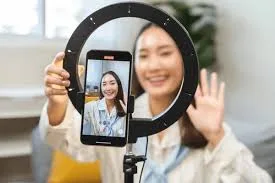
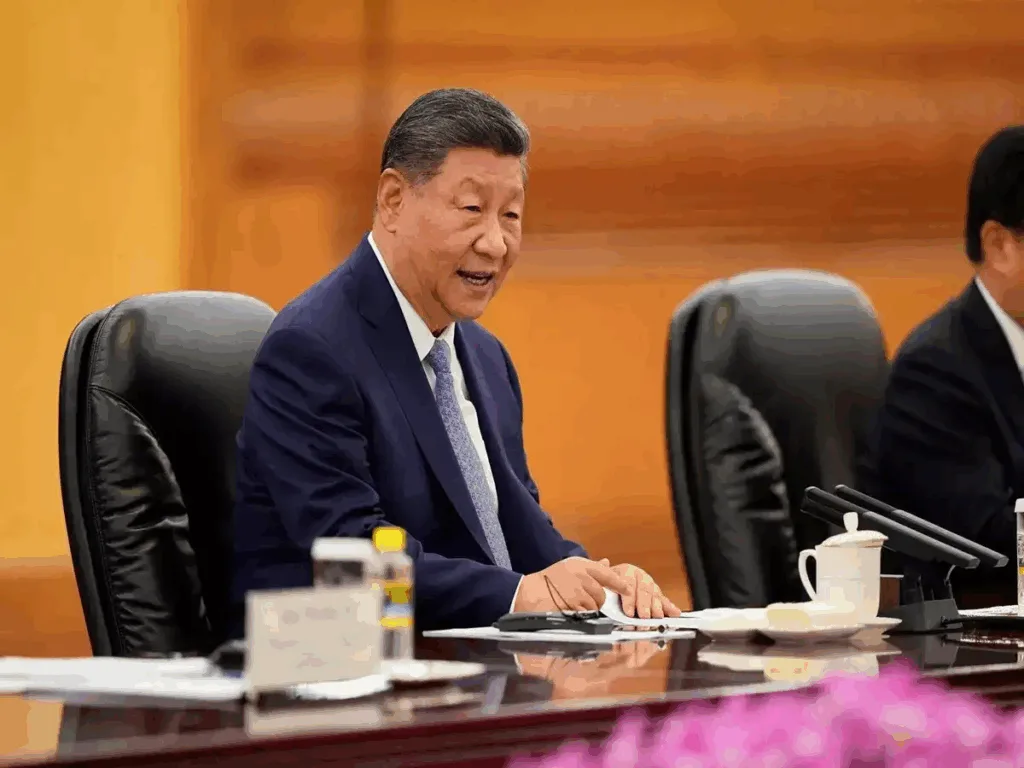
Starting October 25, 2025, China’s Cyberspace Administration (CAC) requires all influencers who post content on regulated, “serious” topics to submit proof of their qualifications such as degrees, professional licenses, or recognized certifications. Platforms like Douyin (China’s TikTok), Weibo, and Bilibili must verify these credentials before allowing posts on such subjects.
Key Details at a Glance
| Aspect | Description |
|---|---|
| Law Enforced By | Cyberspace Administration of China (CAC) |
| Effective Date | October 25, 2025 |
| Regulated Topics | Finance, health, medicine, law, education |
| Required Credentials | University degree, license, certification |
| Platforms Affected | Douyin, Weibo, Bilibili |
| Penalties for Violations | Content removal, account suspension, fines up to $14,000 USD |
| Aim | Reduce misinformation, enhance content reliability |
Why Did China Implement This Law?
With misinformation spreading rapidly on social media, particularly about critical areas like health and finance, China’s government aims to ensure that only qualified experts provide advice or opinions on these platforms. This is intended to safeguard public trust and prevent potentially harmful advice transmitted in the digital space.
Impact and Reactions
- Positive: Supporters argue it raises the credibility bar and curbs fake influencers spreading unverified claims.
- Criticism: Critics fear this could limit creative freedom and silence diverse viewpoints, dubbing the law a form of digital censorship.
What This Means for Influencers and Users
Influencers now must verify their credentials before sharing content on topics like finance or health. Platforms will also require clear disclaimers when referencing AI-generated content or unverifiable information. Users can expect higher-quality, trusted content—but with potential limitations on spontaneous discussion.
- Check out our deep dive into Digital Trust and Misinformation.
- Stay updated with Latest Tech Laws and Policies.
FAQs
Q1: Can influencers without degrees create any content on social media in China?
Q2: What penalties do violators face under this new law?
A2: Non-compliance can lead to content removal, account suspensions, and fines up to 100,000 yuan (around $14,000 USD) enforced by the CAC.