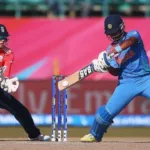
Chelsea and Manchester clubs have shaken up player development by bringing GPS trackers into football training and match analysis. Now, these devices track everything—sprints, recovery rates, and more—giving coaches new tools for making smarter decisions. If you’re thinking GPS data just means “distance covered,” you’re missing out on why teams rely on it for tactical edges.
What Chelsea and Manchester Got Right (and Wrong) with GPS Data
Both Chelsea and Manchester poured resources into GPS analytics, but their methods tell two different stories. At Chelsea, staff use real-time metrics to adjust player loads—think about swapping out a tired midfielder mid-game thanks to a high fatigue score, not just going with a hunch. Over at Manchester, coaches zeroed in on post-match analysis, poring over heat maps and patterns to refine pressing for future matches.
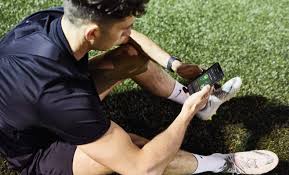
What’s worked so far? Chelsea saw a big drop in soft-tissue injuries after bringing live GPS feedback into the mix—injury prevention rates have improved since 2024, according to BBC Sport. Here’s the flip side: when Chelsea focused too much on workload, they sometimes rotated key players too often, messing with squad rhythm at crucial moments (check out the evolution of “Chelsea Manchester Battles” in this deep dive).
Manchester’s style led to some different headaches. By banking on aggregate running stats, they occasionally missed those crucial bursts—a winger tearing down the line or sprinting back to defend. That’s a blind spot pure GPS numbers can’t always capture without context. The trick is mixing science with the feel for the game.
Chelsea Manchester: The Stat Nobody Talks About—High-Intensity Efforts, Not Just Distance
Lots of fans talk about kilometres run, but the real gold is in “high-intensity efforts”—quick sprints, rapid accelerations. These moments drive counter-presses and recovery runs, and they win matches way more than just logging miles.
Here’s what most people missed: In the 2025-26 season, more high-intensity actions (not simply total distance) have lined up directly with points won for both clubs, according to Sky Sports. Tracking those 20-metre sprints—those lightning-fast, match-defining moves—shows coaches who’s really locked in.
Think about this: Manchester’s midfielders often ranked top-three in the league for “high-intensity bursts,” even when their total running distance fell behind the competition. That’s a big reason they finished matches stronger. Meanwhile, Chelsea’s staff started using GPS to spot players who dropped below their sprint numbers, then subbed them off before the other team even noticed. Seriously, that’s a game-changer for real-time tactics.
This: Latest Injury Data and Squad Management Implications
GPS tracking isn’t just for post-game analysis—it’s played a huge role in keeping squads healthy. By watching players’ total loads, fitness teams have cut down on soft-tissue injuries. After a jump in hamstring problems in 2023, both clubs changed up their routines using GPS “red flag” warnings.