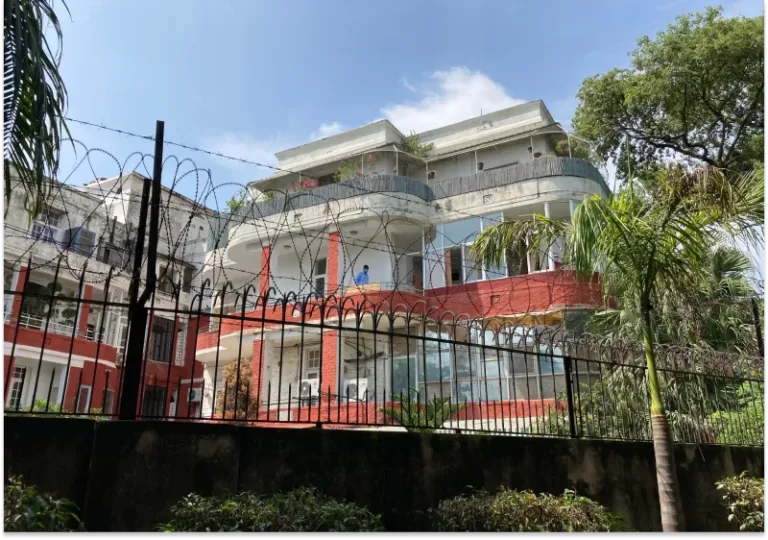
Located in the heart of Central Delhi near Khan Market, Sujan Singh Park is much more than another elite address — it’s Delhi’s first planned apartment complex, echoing colonial history, architectural beauty, and literary legacy. Read on for a compact, engaging, and human-touch guide to this iconic neighbourhood.
Sujan Singh Park
| Attribute | Details |
|---|---|
| Location | Sujan Singh Park, New Delhi (110003) Housing |
| Built In | 1945 mint |
| Original Purpose | Housing for British military & civilian officers Wanderlog |
| Architect | Walter Sykes George decoindelhi.com |
| Founder | Sir Sobha Singh decoindelhi.com |
| Blocks & Flats | 7 blocks with 12 flats each mint |
| Famous Residents | Khushwant Singh & other writers/artists delhipedia.com |
| Nearby Metro | Khan Market Station (~3 min walk) Moovit |
Sujan Singh Park: More Than Just an Address
Nestled just steps from the upscale Khan Market, Sujan Singh Park stands out as a rare slice of wartime Delhi that lived on to become a cultural and residential icon. Built during the final years of World War II, its seven red-brick blocks and enclosed gardens offered a novel type of urban living — far removed from the bungalows that dominated New Delhi until then.

Architect Walter Sykes George, known for blending European sensibilities with Indian conditions, crafted Sujan Singh Park with Art Deco and classical touches that felt modern for its time. decoindelhi.com
A Legacy of Characters, Writers & Stories
While many pass by Sujan Singh Park without a second glance, this neighbourhood has long captured the imagination of Delhi’s literary and artistic circles. Its winding staircases, bougainvillaea-framed windows, and tranquil lanes have hosted:
- Khushwant Singh, the celebrated Indian author and journalist, whose home here became part of the Park’s folklore. delhipedia.com
- Malvika Singh, noted editor of Seminar magazine. mint
- Bhaichand Patel, known for curating iconic Delhi social gatherings. mint
Amid these storied walls, book-lined rooms and literary salons once flourished, giving the place a cultivated, timeless feel. mint
The Human Side: A Neighbourhood of Contrasts
Sujan Singh Park isn’t all polished heritage. Around the elegant flats are servant quarters and older structures that speak to decades of evolving use and population. Today, long-time residents share memories of the community, adding warmth to what might otherwise feel like just another historic site. mint
This contrast — between heritage and everyday life — gives the Park its true character: a living neighbourhood, not a museum. mint
📍How to Explore Sujan Singh Park
- Walkable from Khan Market Metro Station — only about a 3-minute stroll. Moovit
- Nearby Landmarks: India Gate, Lodhi Gardens, and diplomatic zones make this a strategic and scenic part of the capital. https://dwello.in
🔗 Internal Linking Ideas (for TechnoSports SEO)
👉 Technosports – Delhi Heritage Walks & Neighbourhood Guides (internal URL to be added)
👉 Technosports – Architecture & Culture (internal URL to be added)
Including these links can help keep readers engaged with more fascinating Indian city stories.
When Life Changes Overnight: Wife Leaves After Job Loss and the Real Cost of Expectations
FAQs About Sujan Singh Park
Q1: Why is Sujan Singh Park historically important?
A: It was one of New Delhi’s first planned apartment complexes, built in 1945 for British officials, showcasing early modern urban design.