SA329 (82.3 ov)
 AUS
 BAN
 WI
 IND-W
 ZIM-W
 GOA
 SC Delhi
 Milan
 Bologna
 Parma
 Udinese
 Venezia
 Inter Milan
 Genoa
 Juventus
 Monza
 Napoli
 ROMA4
 CAG2
 TOR1
 COMO3
 SAS2
 LAZ6
 AFG177
 ZIM140 (19.1/20 ov, target 178)
 AUCK
 CANT
 CD
 ND
 SIKM184
 NAGA187 & 46/4 (34 ov)
 JHK131/4 (47 ov)
 DELHI515/5d
 ODSA194
 SVCS13/0 (5 ov)
 BRODA616
 J & K6/0 (4 ov)
 CHD685/5d
 HP49/0 (14 ov)
 CGR216/8 (95 ov)
 AP231
 HYD193/2 (54 ov)
 PNJB431
 KNTKA297/7 (95 ov)
 TPURA194
 KER101/6 (35 ov)
 BENG350
 UAE
 OMA
 ENG
 SL
 DEN
 QAT
 KENYA
 KUW
 POA
 SPR
 BRB
 VAG
 PAK110
 NAM316/7
 IRE253 (44.5/50 ov, target 317)
 NZ198/3
 IND199/4 (13.2/20 ov, target 199)
 NED371/5
 JAB113 (19.3/20 ov, target 133)
 KAY132/9
 Gamba Osaka
 Buriram
 Kashima
 Pohang Steelers
 ABH0
 ALF1
 Sevilla2
 Osasuna0
 PSG2
 Lyon0

On Sunday, September 6, 2026, Manchester United threw away a lead for the second time at Hill Dickinson Stadium and conceded with virtually the last kick of the game. The 2-2 draw felt like a defeat to Michael Carrick, who said within minutes of the final whistle: “It feels like a defeat.”
“It feels like a defeat,” Carrick said. “We should have had a lot more than one point.”
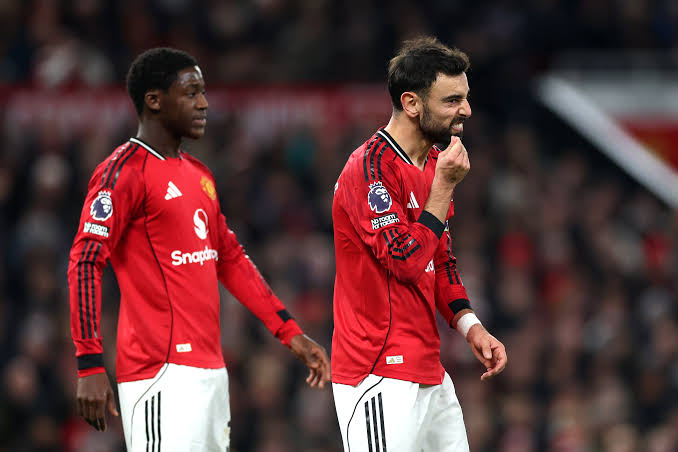
What Happened in the Utd Everton Draw
United twice led this match and twice let it slip. Bryan Mbeumo and Benjamin Sesko scored the goals that should have sealed three points, but Tyrique George pulled Everton level before the break in the scoring, and then Ainsley Maitland-Niles delivered the cruellest blow of all — a stoppage-time equaliser at the death, timed at the 96th minute.
Carrick did not hide from it. Reuters reported that he said the game hurt because United had come to win and had put themselves in a good position twice. His players, he admitted, were “bitterly disappointed” in the dressing room afterwards. Here’s the thing: conceding in the 96th minute after leading twice is not bad luck — it is a structural failure to kill games off.
Utd Everton: Where the Teams Stand Now
The table makes the sting sharper, not softer. The draw left Everton one point ahead of Manchester United in the standings, meaning the side that needed the result least arguably got the most from it. For a United squad with European ambitions, dropping two points in this manner is the kind of result that quietly decides whether a season ends in a top-five race or a mid-table shrug. Full coverage via BBC Sport.
Worth noting: Carrick’s frustration centred on marginal gains. One point from a match where his team led twice means the underlying performance was there — the game management was not. That gap between dominance and reward is what separates contenders from the pack, a lesson sides coached in the mould of Tactical Evolution of elite pressing teams learned long ago.
The Tactical Post-Mortem
Late collapses usually trace back to two things: legs and shape. United’s defensive structure in second-half stoppage time failed to deal with one final delivery, and Maitland-Niles punished it.
Managing the final five minutes — slowing tempo, pinning the ball in the corner, defending the box with numbers — is a coached skill, the same discipline at the heart of Pep Guardiola’s Pressing system and the controlled aggression behind Pep Guardiola and the inverted-fullback build-up model.
There is a human cost here too. Mbeumo and Sesko did their jobs with well-taken goals, yet their afternoon ends soured. For Everton, George and Maitland-Niles become instant cult heroes, and the home crowd at Hill Dickinson Stadium got a moment they will retell for years.
What Comes Next for Carrick’s United
The response now matters more than the result. Carrick said United should have had “a lot more” than one point — the players must prove him right quickly, because early-season draws against direct rivals compound fast. Full coverage via BBC Sport.
The fixture list will not wait, and neither will the table. The lesson from this Utd Everton contest is simple: when you lead twice, you close the door — and until United learn to lock it, results like this will keep feeling like defeats.
Related Articles
Was this article helpful?
Your feedback directly improves future articles on this site.