UAE244/8
 NED164/5 (28.5/50 ov, target 245)
 PAK
PAK ENG241 (46.4/50 ov)
 IND-W318/6 (49.1/50 ov)
 ZIM-W
ZIM-W MOZ
MOZ ZMB
ZMB FOR0
FOR0 EXC0
EXC0 INT
INT FIO
FIO CHU
CHU PFC
PFC NGA
NGA UGA
UGA ATH
ATH GET
GET MEX-W
MEX-W ARG-W
ARG-W CRY
CRY NEW
NEW HUL
HUL BRE
BRE LIV
LIV BHA
BHA GMB112/9
 LES109 (19.5/20 ov, target 113)
 Atlético1
 Deportivo0
 Lazio2
 Parma1
 DEN
DEN PNG
PNG KENYA
KENYA JER
JER MOUNT185
 TUSK19/0 (4.5/50 ov, target 186)
 ROCKS35/3 (8.3/50 ov, target 287)
 EAGLE286/7
 LIMWn
LIMWn NW-W
NW-W NCWmn
NCWmn FsWm
FsWm SWD-W
SWD-W EPR-W
EPR-W TTN-W
TTN-W WPR-W
WPR-W SIKM
SIKM NAGA
NAGA JHK
JHK DELHI
DELHI ODSA
ODSA SVCS
SVCS CGR
CGR AP
AP BRODA
BRODA J & K
J & K CHD
CHD HP
HP MAN
MAN BOU
BOU ATA
ATA FRO
FRO Lens2
Lens2 Paris FC1
 Al Riyadh2
 Al Taawoun1
 Chelsea0
 Spurs2
 Valencia1
 Villarreal2
Vehicle prices are set to increase starting January 1, 2026, affecting both two-wheelers and cars across multiple brands. If you’re planning a vehicle purchase in the new year, buying before the deadline could save you significant money as manufacturers implement widespread price hikes.
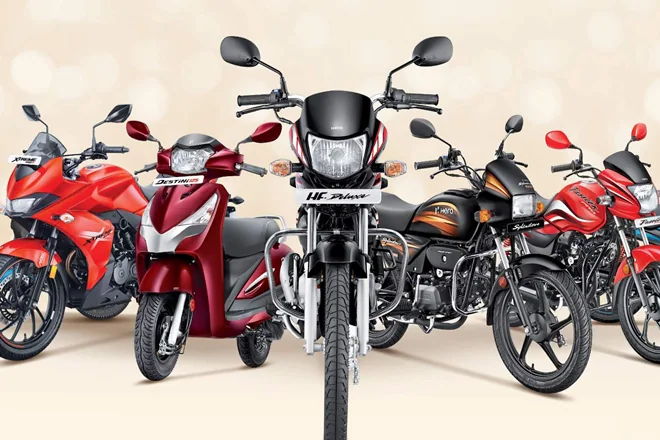
What’s Changing from January 1, 2026
| Category | Change | Effective Date | Impact |
|---|---|---|---|
| Two-Wheelers | Price increase across brands | January 1, 2026 | Higher purchase costs |
| Cars | Price hike announced by manufacturers | January 1, 2026 | Increased on-road prices |
| Reason | Rising input costs, inflation adjustments | – | Industry-wide |
| Savings | Current 2025 pricing | Until December 31, 2025 | Lock in lower rates |
Why Prices Are Increasing
Multiple factors drive the upcoming price adjustments. Rising input costs for raw materials including steel, aluminum, and precious metals used in catalytic converters directly impact manufacturing expenses. Semiconductor chip prices, though stabilizing, remain elevated compared to pre-pandemic levels.
Additionally, manufacturers typically implement annual price revisions at the start of each calendar year to offset inflation, currency fluctuations, and increased operational costs. Regulatory compliance requirements for stricter emission standards and safety features also contribute to higher production expenses.
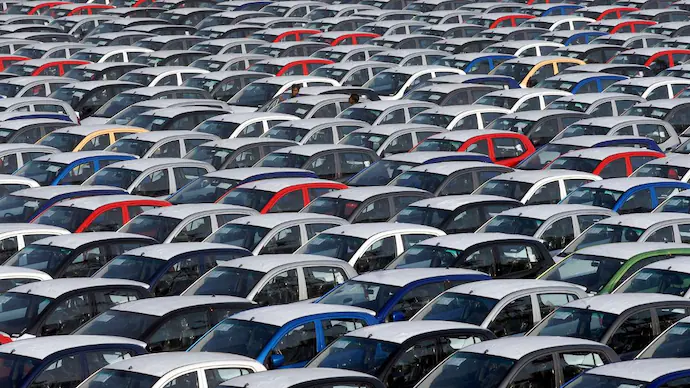
Which Brands Are Affected
While specific percentage increases vary by manufacturer and model, the price hike affects vehicles across segments—from entry-level motorcycles and scooters to premium cars and SUVs. Major automotive brands typically announce exact figures closer to the implementation date.
Before making a purchase decision, verify whether your preferred brand has officially confirmed price increases. Most manufacturers publish announcements on their websites or through authorized dealerships.
Smart Buying Strategy
If you’ve already decided to purchase a vehicle in early 2026, advancing your timeline to December 2025 makes financial sense. Even modest price increases of 2-3% translate to savings of thousands to lakhs depending on the vehicle segment.
Two-wheeler buyers could save ₹2,000-5,000 on average, while car purchasers might avoid increases of ₹10,000-50,000 or more depending on the model. Premium and luxury segments typically see larger absolute increases.
What to Do Before December 31
Check Brand Announcements: Visit manufacturer (Hyundai, Bajaj, and others) websites or contact authorized dealers to confirm whether your preferred brand is implementing price hikes.
Compare Current Offers: December often brings year-end discounts, exchange bonuses, and corporate benefits that may not continue into January, adding to potential savings.
Secure Financing: Pre-approve loans now rather than waiting, as interest rates and processing fees may also change in the new year.
Book Immediately: For popular models with waiting periods, booking before December 31 typically locks in current pricing even if delivery occurs later.

Consider Total Costs
Remember that price increases affect the base vehicle cost, which impacts registration fees, insurance premiums, and financing amounts. A higher purchase price creates a compounding effect on total ownership costs.
The combination of price hikes and potentially reduced year-end incentives could make vehicles significantly more expensive in January compared to December purchases.
For the latest automotive news and vehicle launches, visit manufacturer websites directly or explore automotive coverage at TechnoSports.