The Board of Control for Cricket in India has announced a landmark decision that promises to transform the landscape of women’s domestic cricket in the country. Following India’s historic maiden Women’s ODI World Cup triumph in November 2025, the BCCI approved a massive hike in match fees for domestic women cricketers during an Apex Council meeting on December 22, 2025, more than doubling payments across all categories.
Under the revised structure, senior women cricketers playing in domestic tournaments will now earn ₹50,000 per day, marking a dramatic increase from the previous ₹20,000 per match day. Reserve players will receive ₹25,000 per day, up from ₹10,000 previously. This represents over 100% increase in remuneration and establishes pay parity with men’s domestic cricket, where male cricketers receive identical match fees.
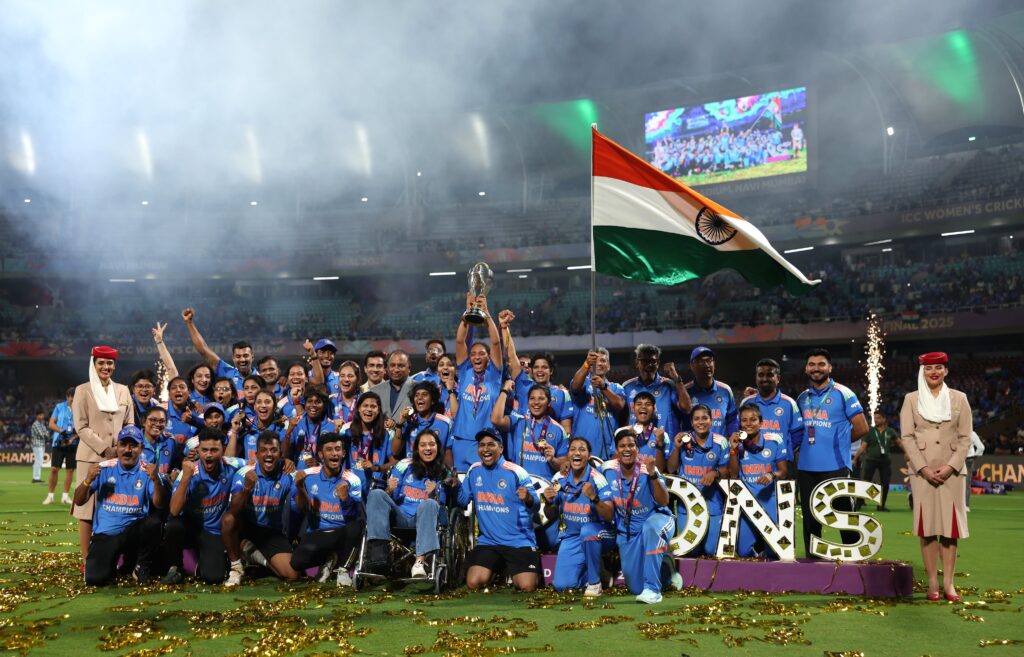
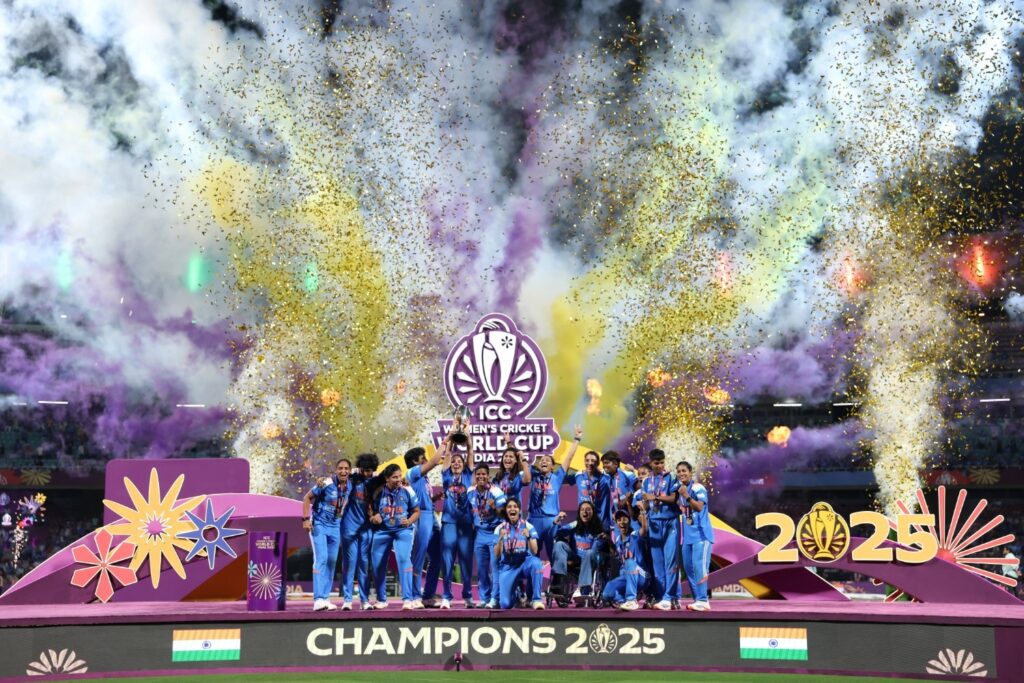
The decision comes hot on the heels of Harmanpreet Kaur’s team defeating South Africa in a thrilling final at Navi Mumbai, securing India’s first-ever global title in senior women’s cricket. The BCCI’s swift action demonstrates the board’s commitment to backing its words with concrete financial incentives, making cricket a more viable and attractive career path for aspiring women cricketers across the nation.
According to BCCI officials, a top domestic women cricketer who features regularly across all formats during a full season can now earn between ₹12 lakh and ₹14 lakh annually—a substantial increase that provides genuine financial security and professional credibility to women’s domestic cricket.
Table of Contents
The New Pay Structure: Breaking Down the Numbers
The BCCI’s revised compensation framework applies comprehensive increases across multiple categories, ensuring benefits reach players at all levels of women’s domestic cricket.
Senior Women’s Domestic Cricket
For senior women’s one-day tournaments and multi-day competitions, players in the first XI will receive ₹50,000 per day, while reserve players earn ₹25,000 per day. This applies to matches in competitions like the Senior Women’s One Day Trophy and multi-day tournaments that form the backbone of India’s domestic cricket structure.
In national T20 tournaments, the revised rates stand at ₹25,000 per match day for players in the XI and ₹12,500 for reserves. While T20 matches typically last only one day compared to multi-day competitions, the increased rates still represent substantial improvements over previous structures.
The differentiation between formats reflects the varying demands and durations of different competitions. Multi-day and one-day competitions require extended commitments and provide higher per-day compensation accordingly, while T20 tournaments offer proportional increases that maintain competitive remuneration.
Age-Group Cricket
Junior cricket has received equally significant attention in the revised structure. Players in Under-23 and Under-19 categories will now earn ₹25,000 per day for those in the playing XI, with reserves receiving ₹12,500. Previously, age-group players earned ₹10,000 and ₹5,000 respectively for these categories.
This represents perhaps the most dramatic percentage increase in the new structure. An age-group player’s seasonal earnings have risen from just over ₹2 lakh to approximately ₹5 lakh—more than doubling their annual income and providing substantial financial support for young cricketers pursuing professional careers.
The push to revise pay at the junior level came from within the cricket ecosystem itself. Senior state coaches and players had urged changes to expand and strengthen the talent base, recognizing that inadequate compensation at development levels limits the pool of athletes willing to commit to cricket as a profession.
Match Officials
The revised structure extends beyond players to include match officials, acknowledging their crucial role in domestic cricket operations. For league matches in domestic tournaments, umpires and match referees will earn ₹40,000 per day.
During knockout matches, the per-day fee ranges between ₹50,000 and ₹60,000, depending on the match’s importance and stage within the competition. This tiered approach recognizes the increased pressure and responsibility officials face during high-stakes encounters.
As a result, umpires officiating Ranji Trophy league matches will now earn approximately ₹1.60 lakh per game, while knockout fixtures fetch between ₹2.5 lakh and ₹3 lakh per match. This substantial increase professionalizes officiating and ensures quality personnel remain involved in domestic cricket administration.
| Category | Previous Rate | New Rate | Increase |
|---|---|---|---|
| Senior Women XI (ODI/Multi-day) | ₹20,000/day | ₹50,000/day | 150% |
| Senior Women Reserves (ODI/Multi-day) | ₹10,000/day | ₹25,000/day | 150% |
| Senior Women XI (T20) | ₹20,000/match | ₹25,000/match | 25% |
| Senior Women Reserves (T20) | ₹10,000/match | ₹12,500/match | 25% |
| U-23/U-19 XI | ₹10,000/day | ₹25,000/day | 150% |
| U-23/U-19 Reserves | ₹5,000/day | ₹12,500/day | 150% |
Historical Context: The Journey Toward Equal Pay
The BCCI’s latest decision represents the culmination of a gradual but accelerating push toward gender equality in Indian cricket compensation. Understanding this evolution provides crucial context for appreciating the significance of the current announcement.
Indian women’s cricket struggled for financial support throughout its early decades. Initially run by the Women’s Cricket Association of India, the sport operated with extremely limited funding. Players received minimal official backing even after reaching the Women’s World Cup final for the first time in 2005, highlighting the systemic neglect women’s cricket endured.
The situation began changing after women’s cricket came under BCCI administration. Players received contracts and match fees for the first time, though these remained far below what male cricketers earned. The disparity reflected broader attitudes toward women’s sport—fewer opportunities, lower visibility, and consequently minimal financial rewards.
A breakthrough occurred in October 2022 when the BCCI announced equal match fees for men and women cricketers at the international level. Women players began receiving identical pay as men across all formats—Tests, ODIs, and T20Is. This decision, implemented during Jay Shah’s tenure as BCCI secretary, represented a historic step that sent a clear message about fairness and equal value for women players.
However, this equality existed only at the international level. Domestic cricketers—who form the vast majority of professional players—still faced substantial pay disparities. The December 2025 announcement extends pay parity into domestic cricket, establishing equal compensation structures for male and female players throughout India’s cricket system.
This progression from minimal support to complete pay equality spans decades of advocacy, gradual cultural shifts, and the demonstrated commercial viability of women’s cricket through vehicles like the Women’s Premier League.
The World Cup Effect: Timing and Momentum
The timing of the BCCI’s announcement—mere weeks after India’s maiden Women’s ODI World Cup victory—reflects deliberate strategy to capitalize on unprecedented momentum in women’s cricket.
India defeated South Africa in a thrilling final played at Navi Mumbai in November 2025, securing the nation’s first-ever World Cup title in senior women’s cricket. Captain Harmanpreet Kaur led the historic campaign, which captivated the nation and generated massive viewership numbers that demonstrated women’s cricket’s commercial potential.
The victory created a groundswell of public interest and support for women’s cricket. Television ratings exceeded expectations, social media engagement reached record levels, and mainstream media provided extensive coverage traditionally reserved for men’s tournaments. This visibility validated investments in women’s cricket and provided political and financial justification for enhanced player compensation.
The BCCI moved swiftly to leverage this momentum rather than allowing it to dissipate. By announcing substantial pay increases while public enthusiasm remained high, the board demonstrated responsiveness to the women’s team’s achievements while signaling long-term commitment to the sport’s development.
This strategic timing ensures the pay hike receives maximum publicity, inspiring young girls to consider cricket professionally while reassuring existing players that their efforts and sacrifices receive appropriate recognition and compensation.
Impact on Women’s Cricket Development
The financial implications of the BCCI’s decision extend far beyond individual player earnings into systemic effects on women’s cricket development in India.
Talent Pool Expansion
Inadequate compensation has historically limited the pool of young women willing to pursue cricket professionally. Talented athletes often chose careers offering better financial security, depriving cricket of potential stars. The revised pay structure makes cricket economically viable, encouraging talented girls to commit to the sport.
With age-group players now earning ₹5 lakh annually instead of ₹2 lakh, families can justify supporting daughters’ cricket ambitions. This financial viability particularly matters in middle-class families where opportunity costs of pursuing professional sport must be weighed against alternative career paths.
Professionalization of Domestic Cricket
Higher compensation allows players to treat cricket as a full-time profession rather than part-time pursuit requiring supplementary income sources. This professionalization enables better training, nutrition, recovery, and overall dedication to skill development.

Players previously balancing cricket with other employment can now focus exclusively on the sport, resulting in higher quality domestic competitions that better prepare athletes for international cricket.
State Association Motivation
State cricket associations face stronger incentives to invest in women’s cricket infrastructure and development programs. As player compensation increases, associations must provide adequate facilities, coaching, and support systems to attract and retain talent.
This creates positive feedback loops where better compensation drives better facilities, which attract more talent, which generates better competitions, which justify continued investment.
The Women’s Premier League Factor
The Women’s Premier League, launched in 2023, fundamentally altered the landscape of women’s cricket in India by demonstrating the commercial viability of the women’s game. The WPL’s success provided crucial evidence supporting increased investment in women’s cricket at all levels.
WPL franchises paid substantial sums for player contracts, with top players earning multi-crore deals. This created a professional ecosystem where elite female cricketers achieved financial security and celebrity status comparable to male counterparts. The league attracted massive viewership, lucrative sponsorships, and mainstream media attention.
However, the WPL initially benefited only elite players—perhaps 100-150 women competing in the tournament. The vast majority of domestic cricketers saw minimal financial impact from the WPL’s success. The BCCI’s domestic pay hike ensures benefits flow throughout the cricket ecosystem rather than concentrating at the top.
The WPL also helped spotlight young talent, creating pathways from domestic to professional cricket that require adequate compensation at all levels. India’s back-to-back Under-19 World Cup titles further boosted interest among younger girls, making domestic cricket’s financial attractiveness crucial for sustaining momentum.
Comparative International Context
India’s move toward pay equity in cricket positions the BCCI as a global leader in women’s sport compensation, though comparisons with other cricket boards provide useful context.
Cricket Australia implemented equal pay in 2017, becoming the first major cricket board to establish gender pay parity. The Australian model provided a template other boards have gradually adopted, demonstrating that equal compensation doesn’t financially cripple cricket organizations while significantly boosting women’s cricket development.
The England and Wales Cricket Board has similarly moved toward pay equity, though implementation has been gradual and not as comprehensive as Australia or now India. Other major cricket nations like South Africa, New Zealand, and West Indies maintain pay disparities, though all have increased women’s cricket investment in recent years.
India’s comprehensive approach—extending equal pay from international to domestic levels—sets a new standard for cricket boards globally. The BCCI’s vast resources enable ambitious programs that smaller boards cannot necessarily replicate, but the principle establishes expectations for cricket governance worldwide.
Challenges and Future Considerations
Despite the overwhelmingly positive nature of the BCCI’s announcement, challenges remain in implementing and sustaining these changes.
Financial Sustainability
The BCCI possesses resources to absorb increased domestic cricket expenditures, but state associations operating with tighter budgets may struggle with associated costs beyond direct player fees. Facilities, coaching, travel, and administrative expenses all increase alongside player compensation.
Ensuring state associations receive adequate support from the BCCI to meet these obligations remains crucial for successful implementation. Without such support, some associations may reduce match frequencies or competition quality to manage costs.
Performance Standards
Increased compensation creates heightened expectations regarding performance and professionalism. Players earning ₹12-14 lakh annually face greater scrutiny regarding fitness, skills, and dedication. The BCCI and state associations must establish clear performance standards while providing resources enabling players to meet these expectations.
Grassroots Development
While the pay hike addresses compensation at domestic and age-group levels, substantial work remains in developing grassroots cricket infrastructure that feeds talent into these systems.
Ensuring girls across India—particularly in rural areas—access cricket facilities, coaching, and opportunities requires continued investment beyond player fees.
Read More: 9 Football Legends Kylian Mbappe Has Already Outscored at the Age of 27
FAQs
What are the new match fees for senior women’s domestic cricketers?
Senior women in the playing XI now earn ₹50,000 per day for ODI and multi-day matches (up from ₹20,000), while reserves receive ₹25,000 (up from ₹10,000). For T20 tournaments, XI players earn ₹25,000 and reserves ₹12,500 per match.
How much can a top domestic women cricketer earn annually?
A top domestic cricketer playing regularly across all formats can now earn between ₹12 lakh and ₹14 lakh per full season, according to BCCI officials. This represents more than double previous seasonal earnings.
Do women’s domestic cricketers now receive equal pay to men?
Yes, the BCCI has extended its equal pay policy to domestic cricket. Women and men now receive identical match fees at domestic level, achieving complete pay parity throughout India’s cricket structure.
What prompted this massive increase in match fees?
The increase follows India’s maiden Women’s ODI World Cup victory in November 2025 and aims to capitalize on momentum while rewarding players. It reflects the BCCI’s commitment to professionalizing women’s cricket after demonstrated commercial viability.
How much do age-group cricketers earn under the new structure?
Under-23 and Under-19 players in the XI now earn ₹25,000 per day (up from ₹10,000), while reserves receive ₹12,500 (up from ₹5,000). Seasonal earnings for age-group players have risen from ₹2 lakh to approximately ₹5 lakh.