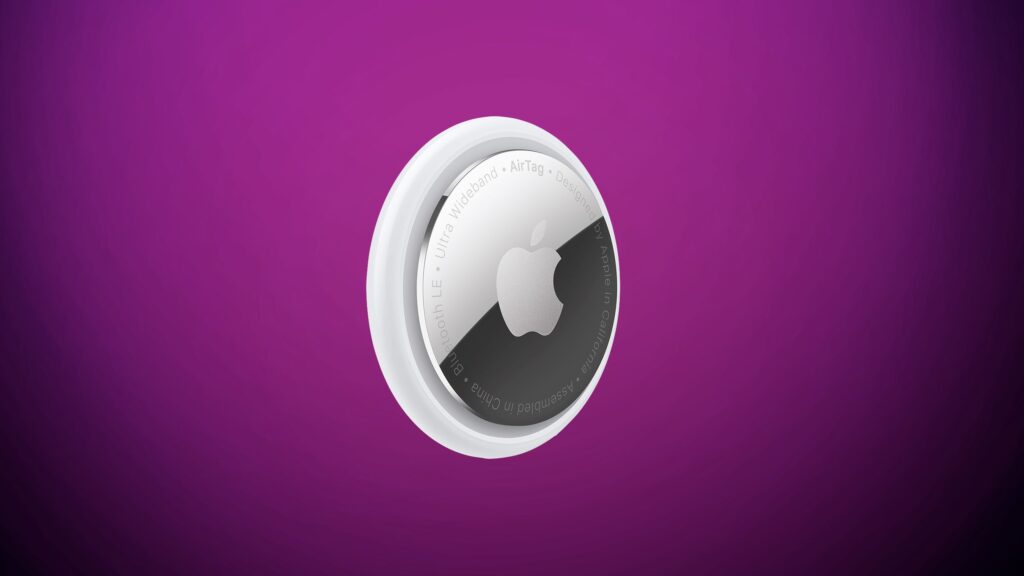
Apple’s AirTag deal has hit an all-time low. The company’s item tracker is now more affordable than ever since its 2021 launch. First-generation AirTags are selling at a serious discount, and it shows Apple’s willingness to adjust pricing on its tracking products.
Here’s What Happened
The AirTag deal marks Apple’s boldest price cut for this tracking hardware since it launched in April 2021. Retailers are now selling first-generation AirTags at record-low prices, undercutting Apple’s official $29 retail price by a substantial margin.
Competitors like Tile and Samsung SmartTags have been heating up the item-tracking market. According to The Verge, this discount reflects a wider retail shift pushing premium tech accessories toward mainstream affordability.
The Real Impact on Device Tracking
This AirTag deal changes everything about who can actually afford Apple’s ecosystem. What was once positioned as a luxury item now competes directly with budget alternatives.
The price reduction removes a real barrier for users wanting affordable Apple tracking solutions without paying premium prices. You can expect adoption to jump among people who aren’t already locked into Apple’s ecosystem.
The move also forces rivals to match or beat the discount, which kicks off a race to the bottom in the tracking device category.
Key Details and Pricing
The original AirTag deal now undercuts its $29 standard retail price by a meaningful amount. The tracker uses Ultra Wideband (UWB) technology for precision finding and taps into Apple’s Find My network—a 2+ million strong device ecosystem.
You’ll get about one year of battery life on a standard CR2032 coin cell. The device works with iPhones, iPads, and Mac devices running current operating systems. Retailers are bundling multiple units, making record-low pricing strategies the new standard for tech accessories.
Voices from the Industry
Tech analysts see this AirTag deal as a defensive move. Apple’s facing real competition from makers bundling their own trackers with devices like affordable foldable smartphones.
Industry insiders say the price cut shows Apple’s confidence in the product’s future while acknowledging that market saturation requires aggressive discounting to stay relevant.
Looking Ahead
Watch for second-generation AirTag announcements. This AirTag deal sets the bar for future pricing expectations. Competitors will likely respond within weeks.
The tracker’s affordability milestone marks a turning point—premium tech becoming mainstream.
People Also Ask
Q: What’s the current lowest price for an AirTag?
The first-generation AirTag has reached its record-low price point, significantly below Apple’s original $29 retail price. Exact pricing varies by retailer and region.
Q: Does the AirTag work with Android phones?
No. AirTags require iOS, iPadOS, or macOS devices to function. Android users need alternative trackers like Tile or Samsung SmartTags.
Q: How long does an AirTag battery last?
Approximately one year on a standard CR2032 coin-cell battery. Replacement batteries cost under $5.
Q: Is the AirTag waterproof?
Yes. AirTags carry an IP67 rating, meaning they’ll survive submersion in up to 1 meter of water for 30 minutes.