
 NZ185 (40.2 ov)
 IND64/1 (12/40 ov, target 186)
 UAE180/6 (45.1/50 ov)
 OMA
 HH-W20/2 (4.1/20 ov)
 MR-W
 REN
 OLY
 WI-A
 LIONS
 AEK
 RMA
 FEN
 LIV
 DOR
 BET
 FCP
 NAP
 RCL
 COMO
 PSV
 BRU
 Atlético0
 Bayern2
 Barcelona3
 Aston Villa0
 Bodo/Glimt0
 Lille0
 Feyenoord0
 Inter Milan3
 ASSAM135 & 128/9 (40.1 ov)
 KNTKA577/6d
 MEGHA144
 NAGA254 & 184 (78.5 ov)
 TPURA268 & 191
 SAU118 & 42/0 (10 ov, target 342)
 BENG143 & 0/0 (2 ov)
 MAHA218
 ODSA23/0 (5 ov)
 JHK433/8d
 CHD94 & 60/0 (20 ov) (f/o)
 TN571/7d
 CGR284 & 131/3 (37 ov)
 HYD280
 DELHI344
 SVCS266 & 85/2 (24 ov)
 GUJ534/9d
 KER248/5 (69 ov)
 BAN
 WI
 AFG
 ZIM
 AS-W
 BH-W
 ST-W
 PS-W
 JAB
 LUL
 BIK
 KAG
 EASTN
 DOLPH
 CD283 (45.5/50 ov, target 358)
 AUCK357/7
 WELL354/7
 ND152 (35.1/50 ov, target 355)
 OTAGO179/4 (37/46 ov, target 176)
 CANT175 (43.3/46 ov)
 POA97/9
 MBV0
 SIB0
 RBL
 MNC
 LASK Linz4
 S Bratislava0
 Man Utd3
 AS Roma2
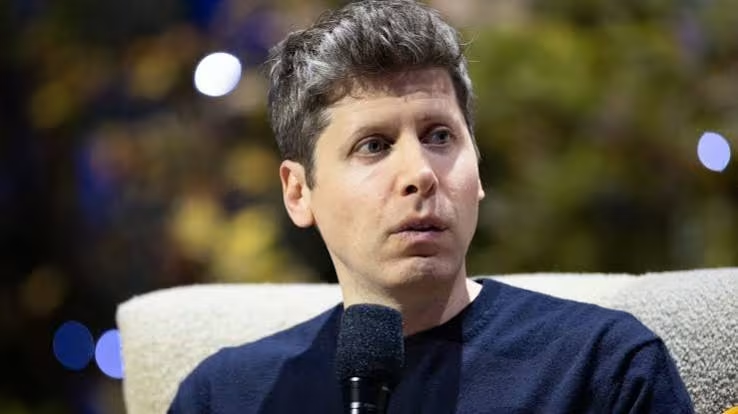
OpenAI announced Tuesday, November 3, 2026, that it had hired former Department of Government Efficiency (doge) personnel. Leadership confirmed the appointments at a corporate briefing in San Francisco, California. Media reports have linked the recruits to an alleged breach of rival artificial intelligence company Anthropic, but that claim remains entirely unconfirmed.
Who are the alumni who hacked into Anthropic?
OpenAI has hired former doge personnel, but it hasn’t identified them individually or said how many people joined. So one basic question remains: what experience do these recruits bring to the company’s security work?
The account connecting them to an Anthropic breach offers no confirmed technical details, including which systems were accessed or when the alleged incident happened. That distinction matters. A claim of a successful breach is serious, but without independently established details, it can’t be treated as a confirmed account of events. The hiring is confirmed; the breach allegation remains separate. The next question is what OpenAI says the hires will do.
Why did OpenAI hire former doge personnel?
OpenAI says it wants to strengthen its core infrastructure and advanced model security. The company confirmed the appointments during its San Francisco briefing, but didn’t name specific projects, responsibilities, or technical measures for the recruits.
OpenAI also hasn’t disclosed a timetable for changes to its security systems. The distinction between infrastructure protection and model security matters because the announcement names both. Infrastructure security covers the systems that support OpenAI’s operations, while advanced model security focuses on protections around its AI models. The briefing didn’t explain how the new hires will contribute to either area. That leaves the broader significance tied to how OpenAI describes its security priorities next. For more detail, see Gizmodo.
What does the Anthropic allegation mean for the AI security debate?
This reported connection makes the announcement more contentious than a routine hiring update. It puts a rival AI company at the centre of an unconfirmed claim. OpenAI’s recruitment could draw scrutiny over how the company evaluates security expertise and handles sensitive information, but the confirmed facts don’t establish that anyone exposed Anthropic data or systems.
For readers following AI security, evidence matters more than implication. Without a confirmed account of the alleged breach, it’s too soon to draw conclusions about Anthropic’s defences or the recruits’ past actions. OpenAI’s stated security goal is clear, but it hasn’t explained how it will show that the hires advance it. That leaves a practical question: what should readers watch for next?
What should readers watch for next?
Industry observers will likely look for more details about the recruits’ backgrounds or concrete steps OpenAI takes to strengthen its security posture. Until verified information about the Anthropic allegations emerges, the focus should stay on the official hiring announcement and its intended effect on OpenAI’s operational safeguards.
Read Next
- Anthropic Compute Costs Climb as Revenue Reaches $17 Billion
- Trolls, Think Twice: Keralam Weighs a Special Law to Protect Women Online
- Google Quick Share Integration Brings Direct App Sharing to Android and iOS in 2027
Was this article helpful?
Your feedback directly improves future articles on this site.