

AI is no longer just a tool for tech companies — it’s the most contested space in creative culture right now. As generative models get more powerful in early 2026, artists, musicians, and writers face a wave of ethical questions around ownership, consent, and payment that the industry simply isn’t ready for.
AI Artists and Creators Battle New Ethics Challenges in Generative Tech: Everything You Need to Know
Tensions hit a breaking point in early 2026. OpenAI’s acquisition of tech news show TBPN — its biggest media move yet — shows that AI companies aren’t just building tools anymore. They’re controlling the narrative. Meanwhile, platforms trained on billions of unlicensed creative works keep operating with almost no legal consequences.
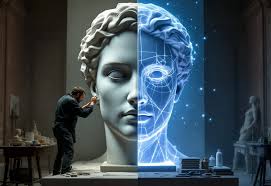
Artists are fighting back. They’re filing lawsuits and demanding opt-out frameworks that don’t exist yet at scale. The real problem isn’t what these systems can do — it’s whether they have permission to do it. And that gap keeps getting wider.
The Real Impact of AI on Creative Industries
AI-generated content is already replacing entry-level creative work in illustration, music composition, and copywriting. This isn’t theory — freelance platform data from 2025 proves it. Wired reported that some studios now use generative tools to create initial design concepts, cutting human concept artists out of the process entirely.
The damage goes deeper than lost jobs. Creators who’ve spent years developing a recognisable style now see that style scraped, copied, and sold — with no credit or payment. And the companies running these platforms rarely face consequences. As our piece on reddit killing creators explored, this pattern keeps repeating across platforms.
Key Figures, Dates & Stats in the AI Ethics Debate
Here’s what’s shaping this debate in 2026:
- Over 6,600 organisations worldwide now use Rubrik’s AI-backed security platform — showing how embedded this technology is in enterprise systems
- OpenAI closed its TBPN acquisition in April 2026, marking the company’s most visible media investment
- The EU AI Act’s creative-sector rules kicked in during early 2026, though enforcement has been spotty
- Whoop filed a $575M lawsuit against startup Bevel this week, showing IP battles in tech are heating up
These numbers matter because the AI economy is growing faster than the legal systems trying to control it.
What Experts and Creators Are Saying
“The constant flood of AI-generated imitations makes one thing clear: creative resilience is now what separates a real career from obsolescence,” said one digital rights advocate at a recent ethics summit. TechCrunch reported that creator groups in the US and EU are pushing for mandatory disclosure whenever training datasets include copyrighted work.
The ask is straightforward — show us what you trained on, then we’ll talk about payment. Here’s the twist: the same AI tools threatening creators are also helping independent artists produce work at scale, which muddies the simple good-versus-evil story.
How the AI Ethics Battle Evolves From Here
The next year will be crucial. US lawmakers are expected to propose formal AI training data disclosure bills by mid-2026. The EU’s enforcement team is already investigating several major model providers.
For creators, the smart move is learning how cybersecurity systems reshaping the digital world also affect intellectual property rights. AI isn’t slowing down. The real question is whether regulations catch up before the damage becomes irreversible.
People Also Ask
Q: Can AI legally use an artist’s work without permission?
As of 2026, training AI on publicly available data exists in a legal grey area — there’s no global standard yet, though the EU AI Act is pushing for stricter rules.
Q: Are AI-generated artworks eligible for copyright protection?
No. US copyright law doesn’t protect purely AI-generated works right now. There has to be a clear human creative contribution for copyright to kick in.
Q: How are artists fighting back against these companies?
They’re filing lawsuits, creating collective opt-out registries, and pushing for mandatory training data disclosure laws in the US and EU.
Q: Did OpenAI really buy a media company in 2026?
Yes. OpenAI acquired TBPN, a tech news show, in April 2026 — its biggest media investment to date.


