Starting January 1, 2026, all new two-wheelers sold in India must come equipped with Anti-lock Braking Systems (ABS) and include two BIS-certified helmets—one for the rider and one for the pillion passenger. This landmark safety regulation extends protection to all engine capacities, marking a major upgrade in India’s road safety standards.

New Two-Wheeler Safety Regulations from 2026
| Requirement | Current Rule | New Rule (Jan 1, 2026) | Impact |
|---|---|---|---|
| ABS | Only bikes above 125cc | All two-wheelers regardless of engine size | Universal safety standard |
| Helmets Included | One helmet optional | Two BIS-certified helmets mandatory | Rider + pillion protection |
| Helmet Standard | Varied quality | BIS-certified only | Guaranteed safety compliance |
| Annual Helmets | – | 4 crore certified helmets on roads | Massive safety boost |
| Price Impact | – | ₹2,000-5,000 increase expected | Entry-level bikes affected |
What is ABS and Why It Matters
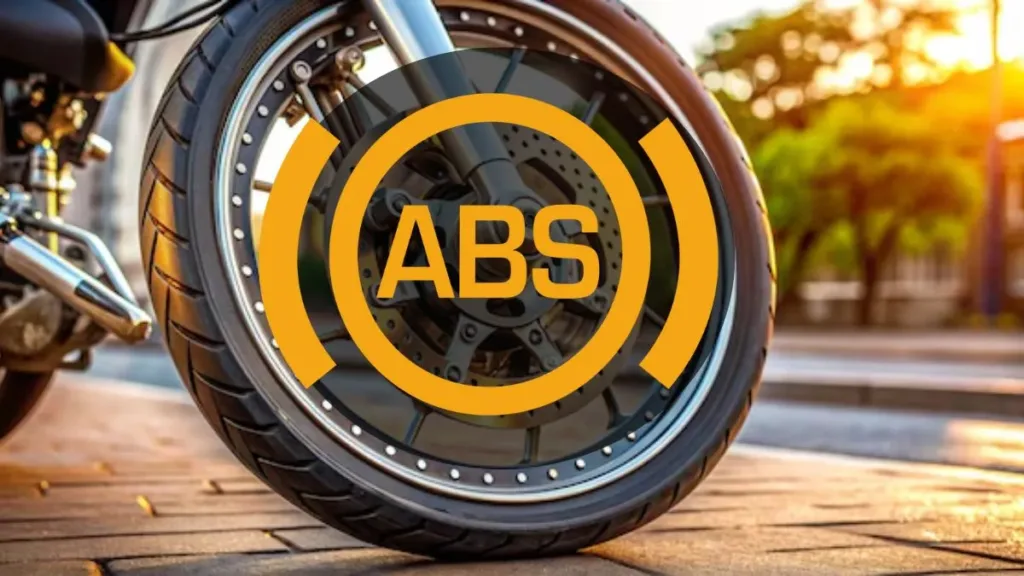
Anti-lock Braking System (ABS) prevents wheels from locking during sudden or hard braking, allowing riders to maintain steering control even during emergency stops. On wet or uneven roads, ABS proves particularly life-saving by preventing dangerous skids that could lead to crashes.
For two-wheelers, where even minor skids cause major injuries, ABS represents crucial protection. The technology automatically adjusts brake pressure, helping riders stop safely without losing control—a feature that significantly reduces accident severity and fatalities.
BIS-Certified Helmets Explained
BIS-certified helmets meet strict Bureau of Indian Standards requirements for safety, durability, and impact resistance. Unlike cheap or counterfeit helmets, certified ones undergo rigorous testing for shock absorption, shell strength, strap quality, and overall head injury protection.
The certification guarantees helmets can withstand high-impact collisions and provide genuine safety rather than just helping riders avoid traffic fines. According to Rajeev Kapur, President of the Two-Wheeler Helmet Manufacturers Association, this regulation will put approximately four crore BIS-certified helmets on Indian roads annually, directly benefiting riders and passengers.

Why This Regulation Is Critical
Two-wheeler users account for 44% of all road deaths in India, with head injuries representing the leading cause of fatalities. Many preventable deaths occur simply because riders or passengers weren’t wearing proper helmets or because substandard helmets failed during impacts.
The government estimates this dual requirement will drastically reduce circulation of fake or inferior helmets previously distributed by some dealerships. By mandating both ABS and two certified helmets, authorities aim to cut road fatalities and serious injuries among India’s millions of two-wheeler users.
Impact on Vehicle Prices
The new regulations will likely increase prices for entry-level motorcycles and scooters under 125cc, which previously didn’t require ABS. The additional cost of ABS hardware plus two certified helmets could add ₹2,000-5,000 to vehicle prices depending on the model.
However, government officials emphasize that long-term benefits in reduced accidents, lower healthcare costs, and saved lives far outweigh short-term price increases. The enhanced safety features represent essential investments in protecting vulnerable road users.
Current Versus New Standards
Currently, only motorcycles above 125cc require ABS, and dealerships provide just one helmet—often of questionable quality. Budget scooters and smaller bikes lack ABS entirely, leaving millions of riders without crucial safety technology.
The January 2026 mandate closes these gaps, ensuring every new two-wheeler buyer receives proper safety equipment regardless of vehicle segment or price point. This democratizes road safety, extending protection to budget-conscious buyers who previously had limited safety options.
Road Safety Mission
This initiative forms part of the government’s broader strategy to make Indian roads safer for all users, particularly vulnerable two-wheeler riders who face disproportionate risks. By raising baseline safety standards across all vehicle categories, authorities demonstrate commitment to reducing the nation’s high road traffic fatality rates.
For more information on road safety regulations and automotive news, visit the Ministry of Road Transport and Highways or explore coverage at TechnoSports.