SA425/9d
 AUS99 & 156/4 (54 ov) (f/o)
 WA339 & 130/4 (59 ov, target 364)
 NSW440/6d & 262/5d
 GHA232 & 82/3 (26.3 ov)
 O&G410/9d
 KRL151 & 234
 SNGP195 & 87/4 (27 ov, target 191)
 HHKA371 & 166/2 (28 ov)
 SBP398
 BCBXI112/2 (30 ov)
 WI
 NZ
 IND
 ENG
 SL
 NAM
 IRE
 Al Hazem
 Al Fayha
 Al Fateh
 Al Shabab
 Ararat-Armenia
 AZ Alkmaar
 NGA146/1 (14.5/20 ov, target 143)
 ZMB142/9
 AFG161/3 (35.3/50 ov, target 161)
 BAN160
 AVL3
 VFK1
 MUN2
 ARS2
 AUS-W
 NZ-W
 IND-W
 ZIM-W
 LES
 MOZ
 ZIM
 GMB120/8 (20 ov, target 149)
 UGA89/5 (12.3/20 ov, target 88)
 NWEST148/5 (17.5/20 ov, target 148)
 Limpo147/6
 NCAPE126/6
 SWD127/4 (19.3/20 ov, target 127)
 Dinamo Zagreb
 NEC
 Ferencvaros
 Torreense
 Juventus
 Rennes
 Lech Poznan
 Sunderland
 OFI Crete
 Leverkusen
 BRU3
 RCL0
 INT1
 SHK0
 BET1
 FEY0
 RMA4
 RBL1

On Monday, October 19, 2026, industry analysts reported a notable shift in semiconductor manufacturing: Samsung will use TSMC’s advanced CoWoS packaging technology for NVIDIA’s next-generation memory chips. The arrangement targets upcoming hardware, but the production timeline hasn’t been confirmed.
What the NVIDIA Next-Gen Memory Deal Involves
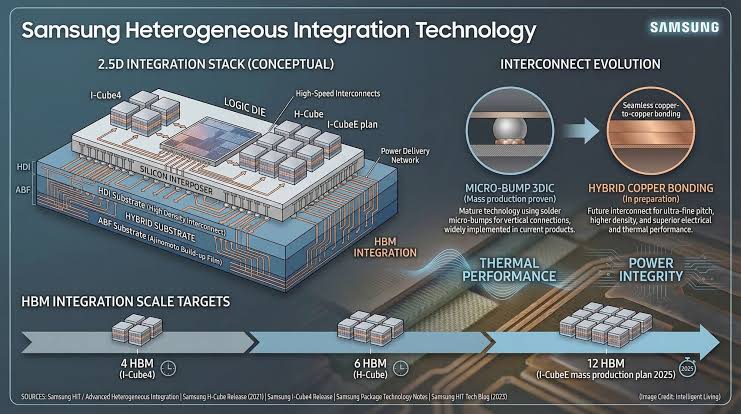
The arrangement centres on Samsung integrating CoWoS (Chip-on-Wafer-on-Substrate) technology into upcoming NVIDIA hardware. CoWoS stands for Chip-on-Wafer-on-Substrate, an advanced packaging approach named in the report. The information covers how the chips will be packaged, not their capacity, performance, or consumer-facing features.
That distinction matters. The report gives no memory specifications, fabrication locations, production volumes, or launch schedule, and it doesn’t establish whether Samsung will manufacture the memory, handle packaging alone, or take on other production responsibilities. Those details would show how extensive the collaboration is. Industry analysts reported on October 19, 2026, that an official announcement detailed the partnership timeline and fabrication specifics, but the information summarized here doesn’t reproduce those terms. Until more details emerge, CoWoS integration is the clearest technical point consumers and industry watchers can assess.
Why the Samsung and TSMC Arrangement Matters
Samsung’s use of TSMC packaging technology for NVIDIA hardware puts advanced packaging at the heart of the report. Both companies are major semiconductor manufacturers, but the available information doesn’t explain the commercial structure or how they’ll divide responsibilities. So, it points to a manufacturing collaboration without confirming the precise scope of either company’s role.
Packaging is part of the production process for NVIDIA’s upcoming hardware, but the report makes no performance claims or comparisons with existing products. Don’t read the announcement as confirmation of a faster chip, more memory, or a specific launch window. Those claims would require technical details that haven’t been provided. This distinction matters to buyers and businesses tracking NVIDIA’s product pipeline. A manufacturing arrangement can show that work is progressing, but it doesn’t tell customers when a product will reach the market or what it’ll cost. No product cost or availability details are provided.

What Happens Next for NVIDIA Next-Gen Memory
The next useful update would clarify the partnership timeline and fabrication responsibilities. Industry analysts said an official announcement covered those specifics, though the information summarised here doesn’t reproduce them. Until more detail emerges, the production outlook remains uncertain.
Mass production is projected, but its timing hasn’t been confirmed. The report doesn’t identify a specific NVIDIA product or say when the memory chips will appear in commercial hardware. So the confirmed development is the manufacturing relationship, not a product launch announcement. For now, the clearest detail is Samsung’s planned integration of TSMC’s CoWoS packaging. The next announcement will need to explain the timeline and fabrication roles before buyers can judge what this means for NVIDIA hardware.
FAQs
What is Samsung doing for NVIDIA?
According to the October 19 report, Samsung is set to integrate TSMC’s CoWoS advanced packaging technology for upcoming NVIDIA hardware.
What does CoWoS mean?
CoWoS means Chip-on-Wafer-on-Substrate. It’s the advanced packaging technology identified in the reported arrangement.
When will the chips enter mass production?
The chips are projected to enter mass production, but no confirmed timing has been provided.
Has NVIDIA named the product using these chips?
No specific NVIDIA product name appears in the information available about the arrangement.
What the NVIDIA Next-Gen Memory Deal Involves?
The arrangement centres on Samsung integrating CoWoS (Chip-on-Wafer-on-Substrate) technology into upcoming NVIDIA hardware. CoWoS stands for Chip-on-Wafer-on-Substrate, an advanced packaging approach named in the report.
Why the Samsung and TSMC Arrangement Matters?
Samsung’s use of TSMC packaging technology for NVIDIA hardware puts advanced packaging at the heart of the report. Both companies are major semiconductor manufacturers, but the available information doesn’t explain the commercial structure or how they’ll divide responsibilities.
Was this article helpful?
Your feedback directly improves future articles on this site.