NZ
 IND
 NAM
 IRE
 MOZ
 UGA
 Aston Villa
 Man City
 Rayo
 Elche
 GMB
 ZMB
 NGA
 LES
 Cagliari
 Bologna
 IPS1
 NFO1
 ALA1
 MCF1
 TOR3
 MON2
 BRE1
 NICE2
 TAS53/4 (13/50 ov, target 305)
 VIC304/7
 NZ-A96/0 (31 ov)
 IND-A113
 DHA
 RAJ
 MYMS
 CHATT
 RAN
 BAR
 SYL
 KHU
 UAE
 NED
 PAK
 ENG
 IND-W
 ZIM-W
 AFG170/3 (34.3/50 ov, target 170)
 ZIM169
 DOLPH56/0 (3.5/8 ov, target 56)
 SWD51/4 (8/8 ov)
 WSW1
 BRI1
 Como
 Sassuolo
 Augsburg
 Union Berlin
 Cologne
 Schalke
 Mainz
 Bremen
 RB Leipzig
 Elversberg
 VFB2
 BMG3
 AHL4
 KHA1

Before Update 2.0 reshaped the cyberware and perk systems, Cyberpunk 2077 Netrunner builds were mainly about stacking quickhacks from safety. The base game launched at $59.99 USD on PC, PlayStation, and Xbox, while Phantom Liberty launched at $29.99 USD on PC, PlayStation 5, and Xbox Series X/S.
Today, quickhack costs range from 2 RAM for basic Ping to 24 RAM for Blackwall Gateway, creating a sharper choice between efficient control and spectacular damage.
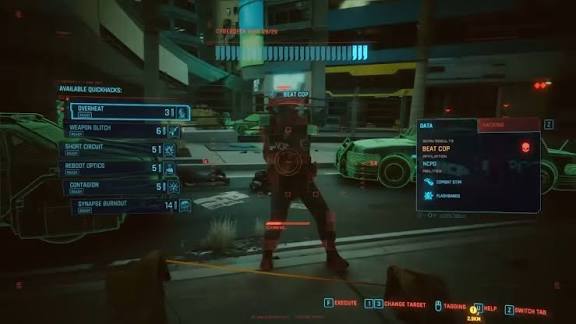
Before Update 2.0: Netrunner Builds Were Safer but Simpler
Earlier Netrunner builds rewarded players who could breach networks, queue several quickhacks, and defeat enemies without entering direct combat. Ping provided information, while attacks such as Short Circuit and Overheat handled targets through walls, cameras, or nearby cover. That approach had clear advantages. However, limited RAM recovery and less specialised cyberware meant that careless players could exhaust their ope
The Update 2.0 Catalyst Changed Quickhack Management
Update 2.0 made Intelligence a more defined build path, with exactly 22 distinct perk nodes governing Netrunner progression and quickhack use. The system now places greater emphasis on queueing attacks, recovering RAM, combining status effects, and selecting cyberware that supports a specific combat rhythm.
The cost range explains the tension. Ping costs 2 RAM, while Blackwall Gateway demands 24 RAM, so a Netrunner cannot treat every quickhack as an automatic choice. A strong build must decide whether it wants information, crowd control, damage over time, or a costly finishing move.
After Update 2.0: 10 Quickhack Pros and Cons
The modern system gives Netrunner builds more identities than the old stealth-first formula. Here are the most important quickhack strengths and weaknesses.
- Ping — Pro: At 2 RAM, Ping is an efficient way to reveal enemies, devices, and routes. Con: It causes little direct combat impact.
- Short Circuit — Pro: It delivers fast damage against vulnerable targets. Con: Repeated use can drain RAM before tougher enemies are weakened.
- Overheat — Pro: Damage over time can pressure enemies while the player relocates. Con: Its gradual effect is less useful when an immediate takedown is required.
- Contagion — Pro: It spreads pressure across groups and suits crowded encounters. Con: Its value falls when enemies are widely separated.
- Reboot Optics — Pro: Blinding an enemy creates a safer opening for stealth or repositioning. Con: It does not solve a fight by itself.
- Cripple Movement — Pro: It limits mobile targets and helps keep dangerous enemies exposed. Con: It offers control rather than burst damage.
- Cyberpsychosis — Pro: It can turn an enemy’s aggression against nearby targets. Con: Its usefulness depends on enemy placement and available RAM.
- Synapse Burnout — Pro: It can become a powerful finisher after earlier hacks reduce a target’s health. Con: Using it too early wastes its potential.
- Blackwall Gateway — Pro: Its 24 RAM cost reflects its role as a high-impact finisher against groups. Con: The cost can leave a Netrunner unable to respond when another threat appears.
- Queue combinations — Pro: Sequencing control, damage, and finishing hacks creates flexible encounters. Con: A poor queue order can spend RAM without producing a clean takedown.
A balanced build can also connect naturally with broader Best Weapons Builds coverage when comparing specialised damage paths across role-playing games. For more detail, see Destructoid.
PC and Cyberware Requirements
The overhauled 2.0 version requires at least 12 GB of system RAM and a 6-core processor, such as an Intel Core i7-6700 or AMD Ryzen 5 1600. That requirement matters because the quickhack system is tied to a broader technical overhaul rather than a small interface change.
Cyberdecks also define how frequently a build can act. Tier 1 through Tier 5++ ope4 to 10 or more blocks, while RAM recovery rates range from +2 to +10 RAM per second. A low-tier deck supports careful hacking, whereas a higher-tier deck gives players more room to chain abilities.
| Quickhack factor | Lower end | Higher end | Build impact |
|---|---|---|---|
| RAM cost | 2 RAM | 24 RAM | Controls frequency of use |
| Buffer size | 4 blocks | 10+ blocks | Affects queue flexibility |
| RAM recovery | +2 per second | +10 per second | Determines sustained pressure |
| Intelligence nodes | 22 | 22 | Defines the perk investment |
How to Choose Your Netrunner Build
Pick a control-focused build if you prefer Ping, Reboot Optics, and Cripple Movement before using weapons or finishing hacks. Choose a damage-focused build if you want Contagion, Overheat, Synapse Burnout, and Blackwall Gateway to decide encounters quickly.
The best choice depends on whether your cyberdeck can sustain the plan. If your RAM recovery is weak, pick low-cost utility hacks; if your deck provides stronger recovery and a larger Buffer, pick high-cost finishers. Netrunner builds now reward planning before the first hack, not just button presses after combat begins.
FAQs
Are quickhacks worth using in Cyberpunk 2077?
Yes. Quickhacks provide information, crowd control, damage, and stealth options, but their value depends on RAM management and cyberdeck recovery.
What is the cheapest listed quickhack?
Basic Ping costs 2 RAM, making it one of the most efficient tools for scanning enemies and the environment.
What is the most expensive listed quickhack?
Blackwall Gateway costs 24 RAM, so it should be reserved for situations where its impact justifies the resource cost.
Was this article helpful?
Your feedback directly improves future articles on this site.