NZ
 IND
 NAM
 IRE
 MOZ
 UGA
 Aston Villa
 Man City
 Rayo
 Elche
 GMB
 ZMB
 NGA
 LES
 Cagliari
 Bologna
 IPS1
 NFO1
 ALA1
 MCF1
 TOR3
 MON2
 BRE1
 NICE2
 TAS129/7 (23.3/35 ov, target 276)
 VIC304/7 (50 ov)
 WA
 NSW38/1 (9/50 ov)
 NZ-A135/3 (41 ov)
 IND-A113
 DHA
 RAJ
 MYMS
 CHATT
 RAN
 BAR
 SYL
 KHU
 MEX-W
 ARG-W
 UAE
 NED
 AFG170/3 (34.3/50 ov, target 170)
 ZIM169
 IND-W200/1 (27.1/50 ov, target 198)
 ZIM-W197
 DOLPH56/0 (3.5/8 ov, target 56)
 SWD51/4 (8/8 ov)
 WSW1
 BRI1
 Como
 Sassuolo
 Augsburg
 Union Berlin
 Cologne
 Schalke
 Mainz
 Bremen
 RB Leipzig
 Elversberg
 VFB2
 BMG3
 AHL4
 KHA1
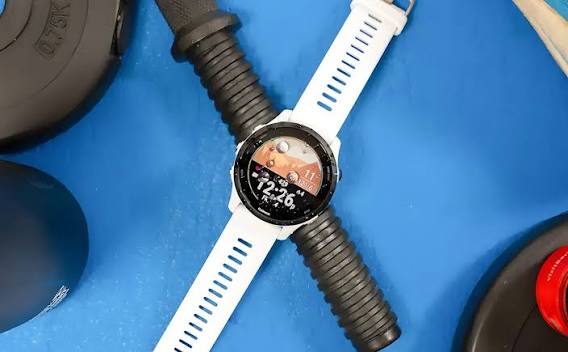
Garmin announced and launched the Garmin Forerunner 965 on March 2, 2023, giving marathon runners a $599.99 GPS watch aimed at the difficult problem of judging recovery pace between hard sessions.
The challenge is not recording one fast run; it is knowing when the body is ready for the next demanding workout. Details about multi-band GPS tracking are based on leaks and supply-chain reports, not yet officially confirmed.
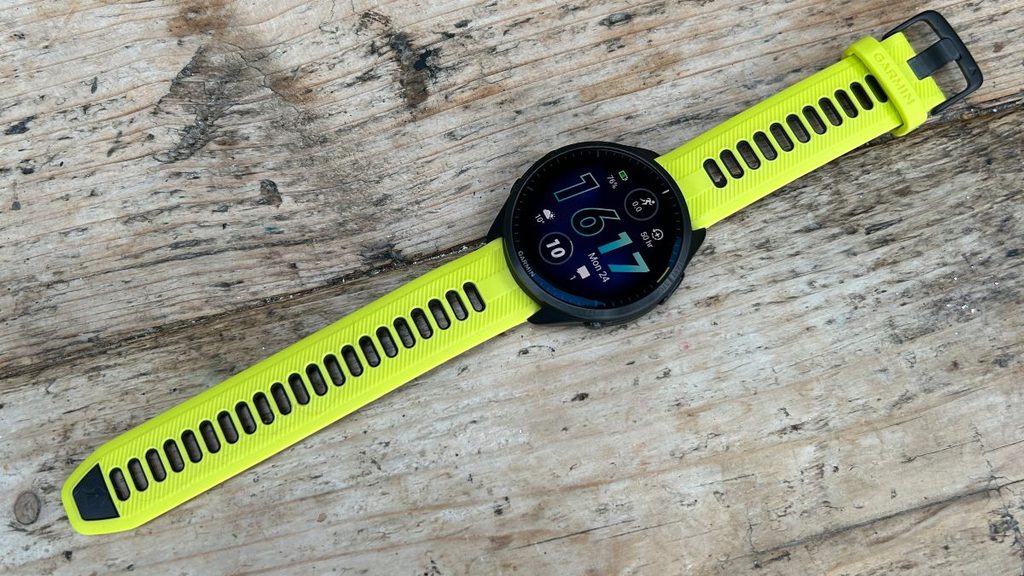
Garmin Forerunner 965: The Recovery-Pace Problem
Marathon training creates a narrow gap between useful fatigue and excessive fatigue. A runner may complete an interval session successfully but still need an easier pace for the following two or three days.
The Garmin Forerunner 965 cannot diagnose injury, but its training data can help runners compare planned workload with their current readiness. Recovery pace also changes with sleep, recent training load, terrain and the distance remaining in a training cycle. A fixed pace target can therefore be misleading. The more useful approach is to combine daily guidance with long-term training context, rather than treating every easy run as a test of fitness.
Five the Forerunner 965 Features That Matter
The first feature is Training Readiness, Garmin’s metric for assessing whether a runner is prepared for demanding exercise. It can help distinguish between a day for marathon-pace work and a day for relaxed aerobic running. Its limitation is clear: the score should support a training decision, not replace symptoms, medical advice or a coach’s plan. The second is reportedly integrated GNSS with multi-band GPS support, which is designed to improve positioning in difficult environments such as dense city streets. That can make pace and distance data more useful on urban routes, although satellite conditions and surrounding buildings can still affect readings.
The third is GPS endurance. The watch offers up to 31 hours in GPS mode without music, giving it enough stated capacity for many marathon efforts and extended training sessions. Music playback, navigation use and other settings can reduce that figure, so runners should charge before race week rather than rely on the maximum claim. The fourth is offline mapping through 32 GB of built-in storage. A runner can keep maps and music on the watch, reducing dependence on a phone during long runs. The trade-off is that mapping adds information to the workout experience without automatically making recovery decisions more accurate. The fifth is long smartwatch battery life, rated at up to 23 days. That reduces charging pressure between sessions, but the figure applies to smartwatch mode rather than continuous GPS recording. Runners should plan around the shorter GPS figure when preparing for a marathon block. A practical setup can build on the guidance in the Forerunner Marathon by treating Training Readiness as one input alongside sleep quality, soreness and the previous workout. For more detail, see Gizmodo.
the Forerunner 965 Specs and Marathon Value
The watch uses a 1.4-inch AMOLED display with a 454 x 454 pixel resolution. That gives pace, heart-rate and navigation information a sharp screen, while the titanium bezel adds a premium material around the display. These features improve visibility and durability expectations, but neither one directly measures recovery.
| Feature | Official detail | Marathon relevance |
|---|---|---|
| Display | 1.4-inch AMOLED, 454 x 454 | Clear workout data |
| GPS battery | Up to 31 hours without music | Supports long sessions |
| Smartwatch battery | Up to 23 days | Fewer charging breaks |
| Storage | 32 GB | Maps and offline music |
| Bezel | Titanium | Premium construction |
What Happens Next for the Forerunner 965 Runners?
Three approaches are available. Runners can follow pace targets strictly, use Training Readiness as the main guide, or combine the watch with a coach’s plan and physical feedback. Strict pacing is simple but can ignore fatigue; relying heavily on a metric can overstate the precision of a single score; a combined approach takes more discipline but gives context to the data.
For runners who train alone, the it 965 is most useful when it turns recovery into a repeatable decision: reduce pace when readiness and physical feedback are poor, and resume harder work when both support it. If convenience and on-watch navigation matter most, the 32 GB storage and long battery
FAQs
Is the the Forerunner 965 suitable for marathon training?
Yes, its GPS battery
What is the the Forerunner 965 launch
The the Forerunner 965 launched at $599.99 in the United States on March 2, 2023. Current regional pricing can differ.
How long does its GPS battery last?
Garmin rates the watch for up to 31 hours in GPS mode without music. Actual endurance depends on settings and usage.
Does it store music and maps?
Yes, the watch includes 32 GB of built-in storage for music and offline mapping. The clear choice is simple: if recovery decisions are the priority, use the the Forerunner 965 as a context tool, not a verdict machine.
Was this article helpful?
Your feedback directly improves future articles on this site.