NZ
 IND
 NAM
 IRE
 MOZ
 UGA
 Aston Villa
 Man City
 Rayo
 Elche
 GMB
 ZMB
 NGA
 LES
 Cagliari
 Bologna
 IPS1
 NFO1
 ALA1
 MCF1
 TOR3
 MON2
 BRE1
 NICE2
 TAS67/4 (15.4/50 ov, target 305)
 VIC304/7
 NZ-A135/3 (41 ov)
 IND-A113
 DHA
 RAJ
 MYMS
 CHATT
 RAN
 BAR
 SYL
 KHU
 UAE
 NED
 PAK
 ENG
 IND-W
 ZIM-W
 AFG170/3 (34.3/50 ov, target 170)
 ZIM169
 DOLPH56/0 (3.5/8 ov, target 56)
 SWD51/4 (8/8 ov)
 WSW1
 BRI1
 Como
 Sassuolo
 Augsburg
 Union Berlin
 Cologne
 Schalke
 Mainz
 Bremen
 RB Leipzig
 Elversberg
 VFB2
 BMG3
 AHL4
 KHA1
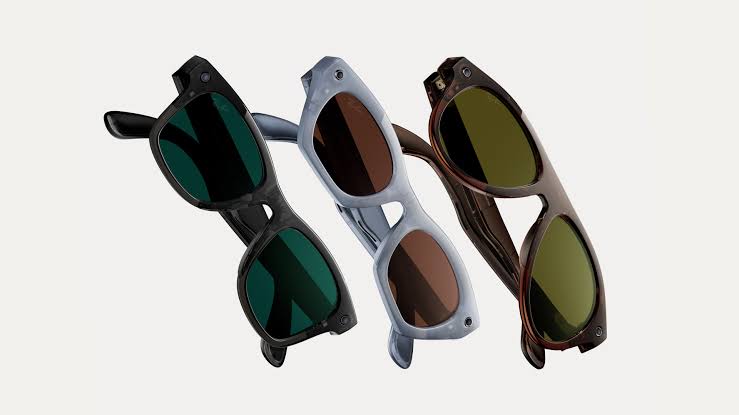
The Ray-Ban Meta Gen comparison begins on September 27, 2023, when Meta Platforms and EssilorLuxottica announced the second-generation Ray-Ban Meta smart glasses. The Ray-Ban Meta Gen 2 launched in the United States at $299, establishing a relatively accessible entry point for camera-equipped AI eyewear.
Now, proposed Gen 3 hardware is creating a sharper question: should buyers choose the proven model or wait for a possible display-led upgrade? Specific Gen 3 details are based on leaks and supply-chain reports, not yet officially confirmed. Rumours place its launch in late 2026 or 2027, but Meta has not supplied a confirmed release date in the available information. That leaves buyers comparing a shipping product with a future device whose biggest feature may be a heads-up display.

2023: Ray-Ban Meta Gen 2 Sets the Baseline
The Gen 2 model combines Qualcomm’s Snapdragon AR1 Gen 1 processor with 32GB of flash storage for photos and video clips. Its starting US Meta Muse Glasses for context on how the company is extending AI beyond its flagship Ray-Ban line.
2026–2027: Ray-Ban Meta Gen 3 Could Add a Display
The central proposed change is a heads-up display, or HUD, built into the Ray-Ban Meta Gen 3. If delivered, that would move the glasses from camera-and-audio wearables toward visual computing, allowing information to appear within the wearer’s field of view rather than requiring a phone or spoken response. The second major proposed improvement concerns endurance.
Gen 2 has a 4-hour continuous usage limit, while Gen 3 battery life is projected to exceed that figure. The size of the improvement remains unclear, as does its effect on camera recording, AI conversations and display use. A screen could make the device more useful, but it could also increase power demands. According to Engadget, Meta’s newer Ray-Ban direction is an iterative update rather than a complete redesign. That framing matters because the value of Gen 3 will depend less on the familiar frame concept and more on whether the display delivers practical information without making the glasses heavier, less discreet or harder to wear with prescription lenses.
| Feature | Ray-Ban Meta Gen 2 | Ray-the Gen 3 |
|---|---|---|
| Announcement | September 27, 2023 | Launch timing not confirmed |
| Processor | Qualcomm Snapdragon AR1 Gen 1 | Details not confirmed |
| Storage | 32GB flash | Details not confirmed |
| Visual display | No integrated visual screen stated | HUD or integrated screen proposed |
| Continuous use | Up to 4 hours | Projected to exceed 4 hours |
Which Model Should Buyers Choose?
Gen 2 remains the safer choice for buyers who want AI glasses now and value a known $299 starting Meta’s $1,300 Glasses useful for understanding the company’s broader hardware ambitions. As of September 2026, the purchase decision is simple: choose Gen 2 for a real product at a known starting Engadget It is worth watching how the Gen develops from here.
FAQs
Is Ray-the Gen 3 officially available?
No. The available information places its possible launch in late 2026 or 2027, but Meta has not confirmed a release date.
What processor does Ray-the Gen 2 use?
The Ray-the Gen 2 uses Qualcomm’s Snapdragon AR1 Gen 1 processor.
Does Ray-the Gen 2 have a display?
The Gen 2 specification does not include an integrated visual screen. The proposed Gen 3 model may add a HUD.
How much storage does Gen 2 include?
Ray-the Gen 2 includes 32GB of flash storage for photos and video clips.
Was this article helpful?
Your feedback directly improves future articles on this site.