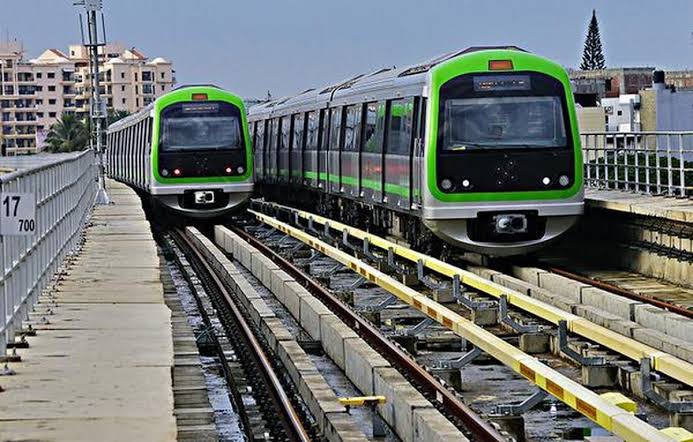
Bengaluru has picked up an unwanted title: it’s now home to India’s costliest metro system, and the numbers are hitting commuters where it hurts most — their monthly budget. A new comparison of minimum salary needed to comfortably afford daily metro travel puts Bengaluru well ahead of Chennai, Delhi, Kolkata, and Mumbai, and the gap isn’t small.
Table of Contents
Why Namma Metro Became the Most Expensive in India?
The roots of this go back to February 2025, when the Bangalore Metro Rail Corporation Limited (BMRCL) hiked fares by up to 71.43%, instantly making Namma Metro the priciest metro network in the country. The maximum fare jumped from ₹60 to ₹90, while the minimum balance required on smart cards rose sharply as well. And the hikes aren’t stopping there — BMRCL has locked in annual fare increases of up to 5% starting February 2026, meaning the gap between Bengaluru and other metro cities is set to widen further rather than close.

How Bengaluru Compares to Other Metro Cities?
| City | Metro Affordability Status |
|---|---|
| Bengaluru | Most expensive metro in India; fares up to ₹90 for longer routes |
| Delhi | Comparatively cheaper; Bengaluru fares are approaching nearly double Delhi’s |
| Chennai | Among the cheapest base fares nationally |
| Kolkata | Lower fare structure than Bengaluru |
| Mumbai | Lower fare structure than Bengaluru |
Commuters travelling longer distances have been hit hardest — trips in the 20–30 km range saw fare increases as steep as 50%, turning what used to be a budget-friendly commute into a real dent in monthly expenses.
The Real Cost to Commuters
This isn’t an abstract policy debate — it’s showing up directly in people’s wallets and travel habits. Greenpeace India’s survey following the fare hike found that a striking share of respondents said their transport costs now match or exceed what they spend on a single meal, disproportionately burdening students, working professionals, and women who rely more heavily on public transport for mobility and safety. Ridership itself dropped noticeably in the weeks after the hike, with figures showing a sharp decline in the first month alone — a clear signal that pricing is pushing people back toward private vehicles or informal transport options instead of the metro.
Why This Matters for Bengaluru’s Middle Class
The city already carries a reputation for a widening gap between stagnant salaries and rising living costs — rent, fuel, groceries, and now transit are all climbing faster than most paychecks. For salaried professionals already juggling high rents and long commute times, an increasingly expensive metro removes one of the few genuinely time-saving options available in a city notorious for traffic congestion.
For more breakdowns of how India’s major cities compare on cost of living and daily commute expenses, technosports.co.in’s city living section tracks these comparisons as new reports emerge.
Conclusion
Public transport affordability isn’t just a Bengaluru problem — it ties directly into national and global goals around accessible, sustainable urban transit. For background on how metro rail systems are meant to function as affordable public infrastructure, Wikipedia’s Rapid transit page offers useful context on the principles behind metro systems worldwide.
Keep checking technosports.co.in’s city and infrastructure coverage for updates as Bengaluru’s fare policy and commuter pushback continue to develop.
FAQs
Why is Bengaluru’s Namma Metro considered the most expensive in India?
A steep fare hike in February 2025, followed by planned annual increases through 2026, pushed Bengaluru’s maximum fares well above Delhi, Chennai, Kolkata, and Mumbai.
How has the fare hike affected Bengaluru commuters?
Surveys show many commuters now spend as much on transport as on a meal, with ridership dropping noticeably in the months following the increase.