On July 20, 2012, Christopher Nolan’s The Dark Knight Rises, starring Christian Bale, arrived in United States theatres and began facing comparisons with the director’s earlier Batman films.
The film is reportedly available for streaming on Max, although that availability remains unconfirmed, giving audiences another chance to reassess Nolan’s Batman finale. Its worldwide box office exceeded $1.081 billion, a commercial result that keeps the film central to conversations about successful superhero cinema.
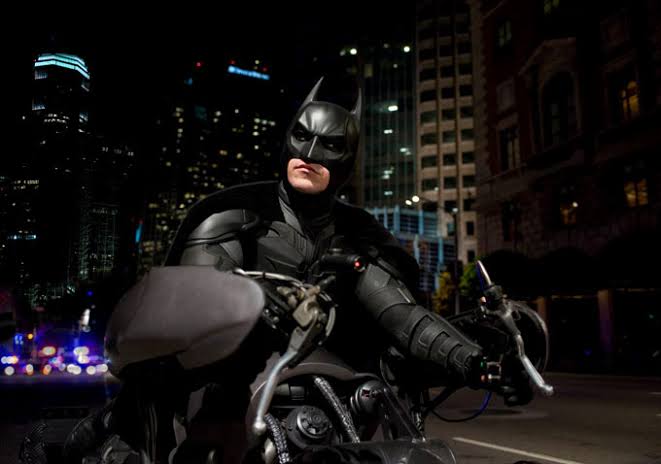
Before: The Dark Knight Rises Faced a Difficult Standard
Before The Dark Knight Rises reached theatres, the film had to follow Christopher Nolan’s earlier Batman entries, creating an unusually demanding comparison. Christian Bale returned as Bruce Wayne/Batman, while Nolan again directed a story built around a major transformation for Gotham’s protector. The pressure was not simply about action or spectacle; audiences were judging whether the finale could provide a meaningful ending to an established trilogy.
That context helps explain why some criticism focused on the film’s scale, narrative density and relationship to its predecessors. A concluding chapter often receives less patience because viewers want every character arc and story thread to land with equal force. The film’s status as a finale made it easier to measure against expectations than to assess as a standalone work. The business results, however, showed that the audience response was far from a rejection. With a worldwide gross exceeding $1.081 billion, The Dark Knight Rises demonstrated strong international reach and durable franchise appeal. The backing of Legendary Pictures and Syncopy also placed the movie within a major studio production framework rather than treating it as a small-scale character experiment. For more detail, see OpenAI Blog.
Catalyst: Why Reassessment Has Become Possible
The catalyst for a fresh look is distance. The Dark Knight Rises no longer has to compete with the immediate excitement surrounding earlier chapters, so viewers can judge its choices as part of a complete Bruce Wayne story. That shift matters because a finale can seem less precise when watched under opening-weekend expectations than when considered as the closing movement of a larger narrative.
Anne Hathaway’s performance as Selina Kyle is especially important to this reassessment. Hathaway won the Saturn Award for Best Supporting Actress, giving the film a recognised awards result that supports the argument that its character work deserved more attention. Selina is not simply an accessory to Batman’s mission; her presence adds a different moral and emotional perspective to Gotham’s conflict. This kind of character contrast remains useful when comparing Nolan’s film with other screen franchises. Viewers weighing it against Main Raha Than or the wider mythology around Iron Man's Than can see how superhero films use a final chapter to balance identity, sacrifice and franchise scale.
After: A Commercial Success That Supports the Defence
After its theatrical release, The Dark Knight Rises became more than a disputed finale. Its worldwide box office crossing $1.081 billion placed it firmly among the major commercial successes of its era, while Bale’s return as Batman gave the film a clear star and franchise anchor.
Those numbers do not prove that every creative decision works, but they show that the film connected with a global audience at blockbuster scale. The movie’s continued discussion also reflects a change in how superhero films are judged. Current viewers can approach it without the same pressure to decide whether it surpasses every earlier chapter. That makes its themes, performances and ending easier to evaluate on their own terms, much as audiences revisit a fantasy episode such as Knight Seven Kingdoms after the immediate debate has faded.
| Category | The Dark Knight Rises |
|---|---|
| Director | Christopher Nolan |
| Lead star | Christian Bale as Bruce Wayne/Batman |
| US theatrical release | July 20, 2012 |
| Worldwide box office | More than $1.081 billion |
| Recognised acting result | Anne Hathaway won the Saturn Award for Best Supporting Actress |
What’s Next: How New Viewers Should Choose
The best way to approach The it now is to treat it as a conclusion rather than a contest. If you want a large-scale Batman finale led by Christian Bale and directed by Christopher Nolan, pick The this. If you prefer a film judged separately from its franchise history, watch it as a standalone Gotham story before comparing it with the earlier chapters. For more detail, see VentureBeat AI.
Its Max availability, if confirmed, could introduce the film to viewers who missed its 2012 theatrical run. That streaming opportunity would also place the movie in a different market environment, where completion of a trilogy and the value of a recognisable character can matter as much as opening-weekend reactions. The next stage of its reputation will be shaped by viewers who encounter the complete trilogy without the expectations that surrounded its original release. the model may not need a new ending; it needs audiences to judge the ending it already delivered.
FAQs
Who directed The Dark Knight Rises?
Christopher Nolan directed The Dark Knight Rises.
Who played Batman in the film?
Christian Bale played Bruce Wayne/Batman.
When was The Dark Knight Rises released in the United States?
The film arrived in United States theatres on July 20, 2012.
How much did The Dark Knight Rises earn worldwide?
Its worldwide box office gross exceeded $1.081 billion.
Which award did Anne Hathaway win for the film?
Anne Hathaway won the Saturn Award for Best Supporting Actress for her portrayal of Selina Kyle.
Was this article helpful?
Your feedback directly improves future articles on this site.