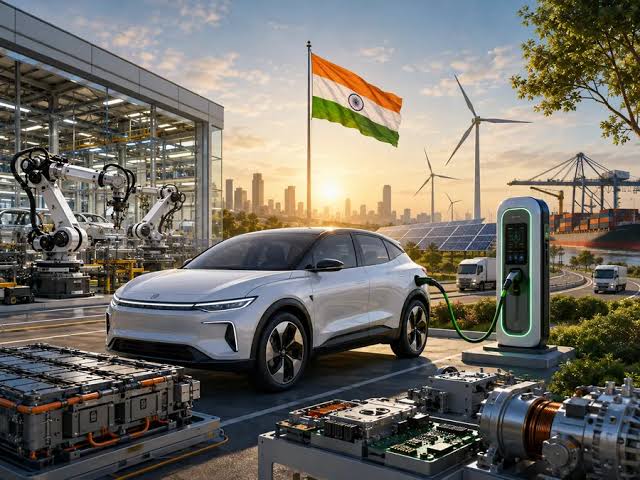
Boom: The in electric vehicle demand catches car makers off guard as Ford Motor Company adjusts its targeted annual EV production rate to 600,000 units globally. This aggressive recalibration follows industry reports confirming that consumer appetite for battery electric vehicles has surged beyond conservative forecasts.
General Motors announced expanded production lines for its Ultium-based EV lineup to meet surging demand, while Hyundai Motor Group announced accelerated manufacturing timelines for its E-GMP platform vehicles, including the Ioniq 5. As first reported by Autocar, these simultaneous capacity expansions signal a critical pivot point where supply chains are scrambling to align with reality.
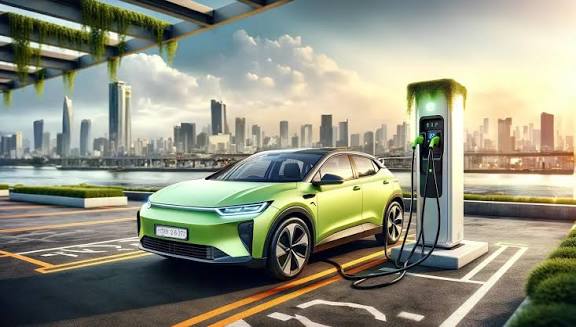
Boom: Scaling Capacity Amidst Unprecedented Volume
Automakers are reacting to a market environment where retail and commercial channels are absorbing inventory faster than anticipated. Ford’s decision to set a firm annual target of 600,000 units demonstrates a commitment to capitalizing on early mover advantages in key regions. While individual consumer registrations drive significant volume, commercial segments like Fleet Orders Car procurement programs are also contributing substantially to the overall uptake.
Fleet managers are increasingly prioritizing total cost of ownership metrics, finding electric powertrains viable for municipal and logistics operations. This dual-pressure dynamic forces manufacturers to rethink allocation strategies across all trim levels. The operational challenge extends beyond assembly lines to component sourcing. Battery cell availability remains a bottleneck, prompting partnerships that lock in raw material supplies years in advance. Competitors are observing these moves closely, recognizing that scale now dictates margin sustainability. Manufacturers that hesitate risk ceding market share to agile incumbents who have already secured tier-one supplier agreements.
Benchmarking Performance And Market Share
Performance specifications are shifting from niche selling points to baseline expectations for buyers evaluating mainstream models. Volkswagen Group reported a year-over-year increase in global battery electric vehicle deliveries of approximately 25% for the fiscal year, validating the effectiveness of its modular architecture updates.
Such growth rates indicate that adoption barriers related to range anxiety and charging infrastructure are diminishing significantly. Meanwhile, Tesla maintained its market-leading position with the Model Y, which features a 0-100 km/h acceleration time of 4.8 seconds in its Long Range variant.
| Manufacturer | Key Metric | Operational Detail | Strategic Implication |
|---|---|---|---|
| Ford | Annual Production | 600,000 units globally | Adjusted target reflects demand strength |
| Volkswagen Group | Delivery Growth | +25% Year-over-Year | Modular platforms driving scale efficiency |
| Tesla | Model Y Performance | 4.8s 0-100 km/h | Benchmark for competitor acceleration goals |
| Hyundai | Platform Timelines | E-GMP Accelerated | Ioniq 5 production ramping ahead of schedule |
Engineering teams are racing to replicate these performance figures without inflating vehicle costs. The integration of silicon carbide inverters and 800-volt architectures allows rivals to close the gap in charging speeds.
Enthusiast markets are also influencing design philosophy, much like the rigorous evaluation standards applied during the 2026 Honda Car long-term road tests. These durability assessments ensure that daily usability matches track-ready metrics.
How The Reshapes Manufacturing
The underlying tension in the current landscape involves the lag between order generation and final delivery. Dealership wait times have extended across multiple brands, straining customer satisfaction scores.
Accessory ecosystems are evolving rapidly to support this influx, mirroring trends seen when Portronics Launches Car connectivity solutions, highlighting how aftermarket support struggles to keep pace with OEM ramps. Service centers are simultaneously upgrading tooling to handle high-voltage systems, creating a ripple effect throughout the maintenance network.
Supply chain resilience will determine winners in the coming quarters. Companies with diversified sourcing strategies and flexible factory configurations will absorb shocks more effectively. Those reliant on single-region components face existential risks if geopolitical tensions disrupt logistics routes. Financial analysts warn that margin compression could occur if input costs rise faster than pricing power.
Implications For The Road Ahead
Forward planning requires scenario modeling that accounts for sustained hyper-growth rather than gradual transitions. Regulatory incentives may taper as governments achieve their electrification milestones, potentially softening demand curves in mature markets. However, emerging economies in Asia and Latin America are entering the adoption phase, providing a secondary growth engine. Manufacturers must balance Autocar
FAQs
What is causing the sudden surge in electric vehicle purchases?
Consumer adoption is acceleHow have major manufacturers responded to the unexpected demand levels? Leading companies are expanding production capacities, adjusting annual output targets upward, and acceleDoes the increased demand affect vehicle delivery times for consumers?
Yes, higher order volumes have led to extended wait periods at dealerships, prompting manufacturers to optimize logistics and prioritize high-volume regions. What role do fleet operators play in the current market dynamics? Commercial fleets are aggressively transitioning to electric models to reduce operational expenses, significantly boosting aggregate sales figures beyond individual retail purchases. Understanding Boom fully means staying ahead of these developments.
Was this article helpful?
Your feedback directly improves future articles on this site.